Crypto Briefing

Oil Prices Surge as Iran-Oman Hormuz Deal Reshapes Global Energy

August 6, 202611:40 PM
Oil Prices Surge as Iran-Oman Hormuz Deal Reshapes Global Energy

The landmark Iran-Oman agreement on the Strait of Hormuz has triggered significant volatility in oil markets, with prices surging as new shipping routes promise to reduce geopolitical tensions in this critical energy corridor. This strategic alliance not only reshapes the global energy landscape but also signals a potential reduction in the long-standing instability affecting oil supply, with potentially lasting consequences for international prices and the energy security strategies of importing nations.

This is a summarized and adapted version by Artificial Intelligence. To read the complete original story, visit the official source.

Read Full Article at Crypto Briefing
QR Code Lightning

Support Jornal Bitcoin

Independent journalism, curated by AI, no clickbait. Keep the flame alive with any amount of BTC.

Wallet of Satoshi
jonata@walletofsatoshi.com

Daily Crypto Brief 📬

Subscribe to receive the curation of the most important Bitcoin and crypto news, summarized by AI. No spam.

Join more than 10,000 smart readers.

Related News
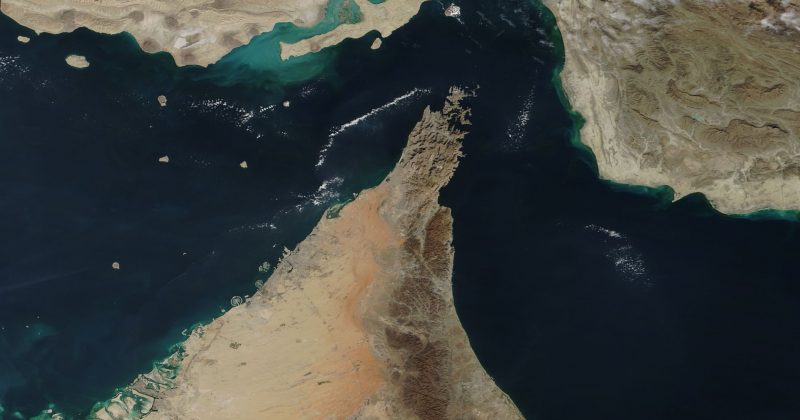
Iran's 5-7% Hormuz Fee Sparks Global Shipping Crisis Amid US Fury

Crypto Briefing

Iran's 5-7% Hormuz Fee Sparks Global Shipping Crisis Amid US Fury

Iran is proposing a 5-7% fee on all cargo passing through the Strait of Hormuz, a critical maritime route for global trade. This move, implemented despite strong US opposition, marks a significant shift in diplomatic relations and could have profound consequences for the global economy and cryptocurrency markets. The Iranian proposal to tax maritime traffic through the Strait of Hormuz, responsible for approximately 20% of global oil, could trigger a military response from the US and increase volatility in energy and crypto markets.
Oil Prices Soar as Iran Threatens to Block Critical Strait of Hormuz
Crypto Briefing

Oil Prices Soar as Iran Threatens to Block Critical Strait of Hormuz

Global oil prices have surged following reports of Iran's draft plan to restrict traffic through the Strait of Hormuz, a maritime chokepoint through which nearly a fifth of the world's oil supplies pass. This immediate geopolitical tension is exposing global economic vulnerability and pressuring energy markets, with potential consequences for international financial stability.

The Iranian threat to control access to the Strait of Hormuz, where oil tankers transport millions of barrels daily, is causing volatility in global financial markets. Analysts warn this situation could lead to significant increases in energy costs, affecting not only gasoline prices but also inflation and economic growth worldwide, creating a scenario of instability that cryptocurrency investors should monitor closely.

MARKET SHOCK: US and Japan launch unprecedented joint yen intervention since 1998
Crypto Briefing

MARKET SHOCK: US and Japan launch unprecedented joint yen intervention since 1998

In a historic move, the United States and Japan have executed their first joint yen-buying operation since 1998, marking an unprecedented coordinated monetary intervention in global financial markets. This synchronized action represents a direct response to extreme yen volatility, which has reached unseen levels in decades, demonstrating political determination to prevent currency disorder that could destabilize the international economic landscape.

The joint intervention, the first of its kind in 25 years, signals a paradigm shift in how global monetary authorities approach currency pressures amid market turmoil. With the yen weakening dramatically against the US dollar, governments fear that an overly weak Japanese currency could destabilize not only Japan's economy but also already strained global supply chains. This coordinated action between Washington and Tokyo may set a precedent for future joint interventions, particularly in an environment of increasing global economic uncertainty and geopolitical tensions.

Oil Prices Crash for Second Week, Sending Gold Soaring as US-Iran Tensions Ease

Crypto Briefing

Oil Prices Crash for Second Week, Sending Gold Soaring as US-Iran Tensions Ease

Oil prices have crashed for a second consecutive week, sending gold prices soaring as diplomatic tensions between the US and Iran show signs of easing. This development is strengthening gold's appeal as a safe-haven asset, with investors seeking protection amid geopolitical uncertainty. The potential stabilization of oil markets, resulting from ongoing diplomatic efforts, could help alleviate global inflationary pressures and create a more favorable environment for safe-haven assets. Analysts are closely watching how this geopolitical dynamic will continue to influence both oil and gold prices, with gold benefiting from its traditional status as a safe harbor during times of instability.
Alibaba's 2.4 Trillion Parameter AI Model Shakes Up Tech World, Challenges US Supremacy
Crypto Briefing★ Featured

Alibaba's 2.4 Trillion Parameter AI Model Shakes Up Tech World, Challenges US Supremacy

Chinese tech giant Alibaba has unveiled its most advanced AI model to date, the Qwen3.8-Max, stunning the industry with its massive 2.4 trillion parameters. This strategic launch positions China as a serious contender in the global race for AI supremacy, presenting a direct challenge to American dominance in cutting-edge technology. The initiative is part of a broader national strategy to enhance global tech influence and attract developers worldwide. With such a massive AI model, Alibaba is not only competing with American giants like OpenAI and Google but also accelerating the AI arms race between superpowers, with significant geopolitical implications for the future of digital technology.
Iran Deal with Oman Won't Fully Reopen Strait of Hormuz, Impacting Global Energy Markets
Crypto Briefing

Iran Deal with Oman Won't Fully Reopen Strait of Hormuz, Impacting Global Energy Markets

Iran has confirmed that its deal with Oman will only result in a partial reopening of the Strait of Hormuz, a critical maritime route for global oil trade. This strategic decision maintains regional tensions and presents a significant challenge to global energy markets, which heavily depend on this transportation corridor. The situation in the Strait of Hormuz continues to be a hotspot in Middle Eastern geopolitics, with direct implications for oil prices and global supply chains. The Iranian measure could intensify pressure on diplomatic negotiations and force consuming nations to seek alternatives to ensure energy security, potentially accelerating the transition to renewable energy sources.
Jornal Bitcoin Logo