Brave New Coin

Lithium Carbonate Price Stabilizes at 142,750 Yuan After Recent Pullback
August 8, 202602:39 AM
Lithium Carbonate Price Stabilizes at 142,750 Yuan After Recent Pullback

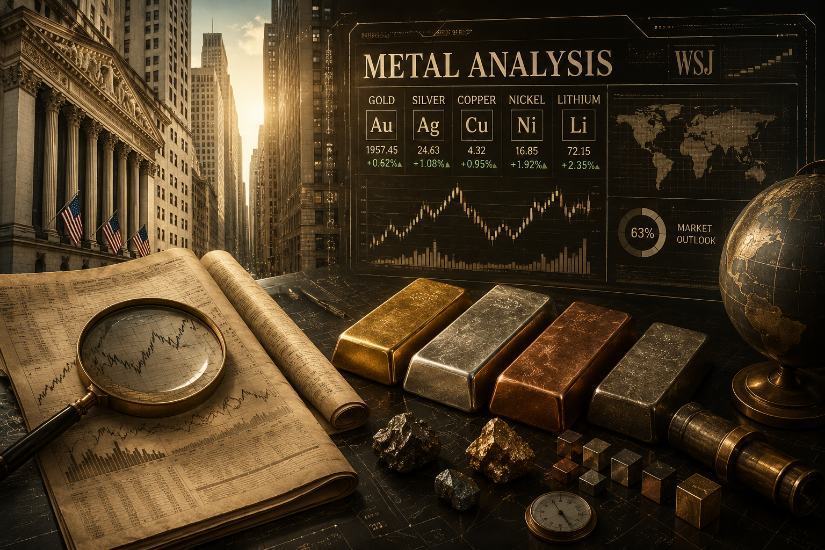
The lithium carbonate market has shown resilience, stabilizing at 142,750 yuan per tonne following a recent pullback. This price level represents a significant equilibrium point for one of the essential components of the battery industry, which has experienced considerable volatility in recent months.

The stabilization comes after prices reached highs not seen since 2026, reflecting continued demand for electric vehicles and energy storage solutions. Industry analysts are closely monitoring lithium carbonate movements, as any significant shift could directly impact production costs for electric vehicle manufacturers and renewable energy companies worldwide.

After reaching historical highs not seen since 2026, lithium carbonate experienced a natural pullback, now finding support around the 142,750 yuan mark. Analysts attribute this stabilization to the combination of sustained demand from electric vehicles and adjustments in the supply chain. The current scenario suggests that while volatility may continue to be a market feature, lithium carbonate may be entering a period of relative stability, which would be a relief for battery manufacturers and electric vehicle automakers facing increasing cost pressures.

This is a summarized and adapted version by Artificial Intelligence. To read the complete original story, visit the official source.

Read Full Article at Brave New Coin
QR Code Lightning

Support Jornal Bitcoin

Independent journalism, curated by AI, no clickbait. Keep the flame alive with any amount of BTC.

Wallet of Satoshi
jonata@walletofsatoshi.com

Daily Crypto Brief 📬

Subscribe to receive the curation of the most important Bitcoin and crypto news, summarized by AI. No spam.

Join more than 10,000 smart readers.

Related News
SpaceX Chooses Natural Gas Over Solar Power for Texas Semiconductor Plant

BlockTrends

SpaceX Chooses Natural Gas Over Solar Power for Texas Semiconductor Plant

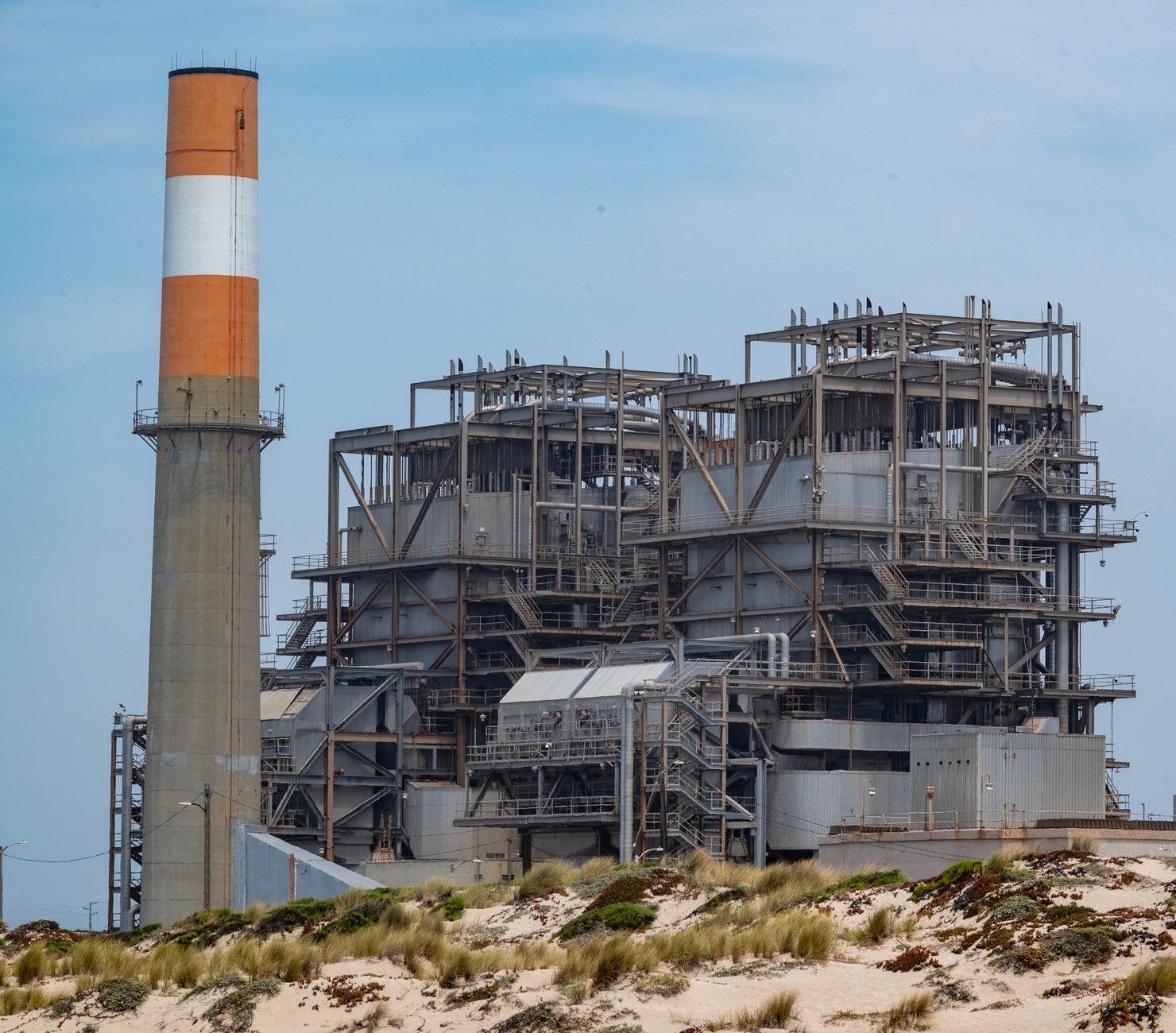
SpaceX, Elon Musk's aerospace company, has stunned industry analysts by choosing natural gas power plants to fuel its new semiconductor factory Terafab in Texas, completely bypassing solar energy options. This decision is particularly noteworthy given that Tesla, also under Musk's leadership, is involved in the project, despite being renowned for its renewable energy solutions and solar panel technology. The preference for natural gas over renewable sources like solar or wind power raises questions about SpaceX's strategic priorities and their environmental impact. The Terafab factory represents a significant investment in semiconductor manufacturing, essential components for both the space industry and electric vehicles, and the chosen energy source could influence public perception of the company's commitment to sustainability.
Crypto's Biggest Secret: The Industry is Now More Bank Than Bitcoin
CoinTelegraph★ Featured

Crypto's Biggest Secret: The Industry is Now More Bank Than Bitcoin

The crypto industry is undergoing a quiet revolution, shifting away from price volatility toward traditional banking business models. With BlackRock launching tokenized money market funds, Tether generating $1.5 billion in profits from US Treasury holdings, and Bitcoin mining focused on production costs, the sector is rapidly converging with traditional finance in ways that few predicted just years ago. This fundamental transformation is redefining what it means to be a crypto company, as stablecoin reserves, tokenized funds, and on-chain collateral emerge as primary revenue drivers. Blockchain's next phase may be shaped as much by financial infrastructure as by digital assets themselves, indicating that the industry's future looks increasingly similar to the financial system it originally sought to disrupt.
Oklo reports $1.21M Q2 revenue as net losses skyrocket to $48.5M
Crypto Briefing

Oklo reports $1.21M Q2 revenue as net losses skyrocket to $48.5M

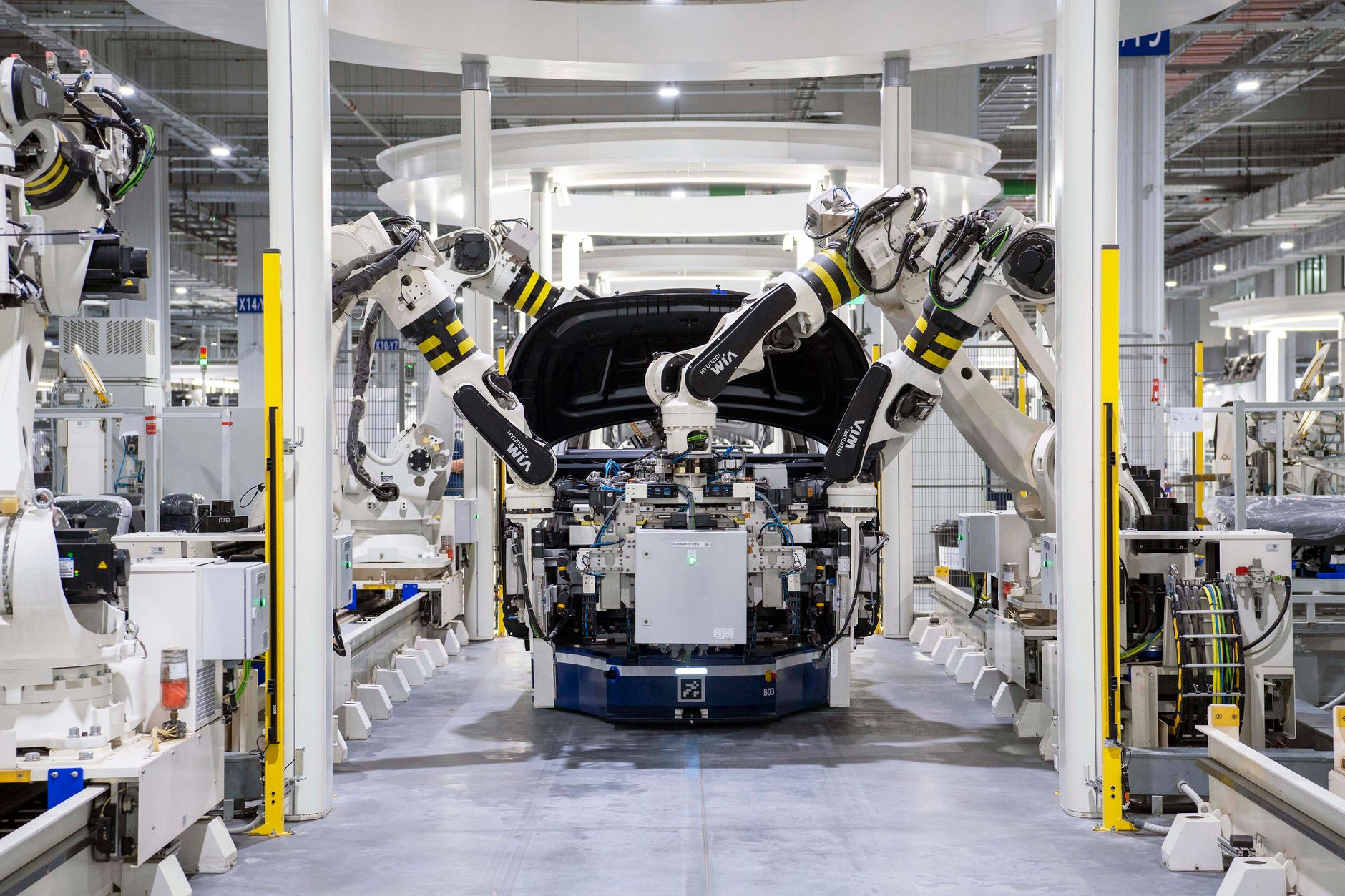
Oklo, advanced nuclear technology company, reported just $1.21 million in revenue for Q2 2026, while its net losses skyrocketed to a staggering $48.5 million, highlighting the stark financial disparity between revenue and operational costs in the emerging nuclear energy sector. This news comes amid a global energy market expansion where advanced nuclear technology is seeking its footing. The high loss figures indicate the significant financial challenges faced by innovative companies in the nuclear industry as they attempt to scale operations and compete with established energy sources.
Elon Musk Spends Half of Tesla Meetings on AI and Robots, Not Cars
BlockTrends★ Featured

Elon Musk Spends Half of Tesla Meetings on AI and Robots, Not Cars

Analysis of seven years of transcripts reveals Elon Musk spends nearly 50% of his time in Tesla's quarterly meetings discussing artificial intelligence and robotics, while automotive business discourse shrinks. This strategic shift clearly indicates a prioritization of the company's future beyond electric vehicles.

As the focus on AI and robotics grows, Tesla's automotive sector results show signs of weakening, suggesting a possible transition from car manufacturer to technology giant. This strategy positions Tesla uniquely in the market but also raises questions about the future of the company's flagship product and its ability to compete across multiple technological fronts.
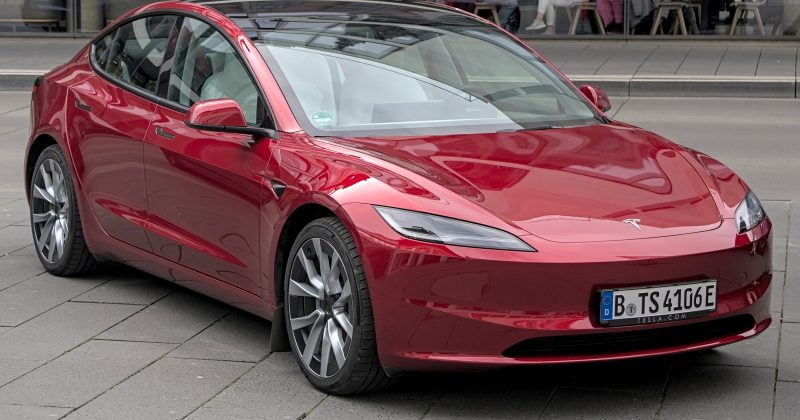
Tesla China Sales Surge: 93,579 Deliveries in July, Up Sharply Year-Over-Year
Crypto Briefing

Tesla China Sales Surge: 93,579 Deliveries in July, Up Sharply Year-Over-Year

Tesla delivered an impressive 93,579 units in China during July, marking a significant year-over-year increase. This robust performance in the world's largest economy underscores China's critical role in Tesla's global strategy, positioning the company for continued expansion in the Asian market. The sharp sales growth in China comes at a pivotal moment for Tesla as the company faces intense local and global competition. Analysts note that potential operational changes in the region could reshape market dynamics, affecting not only Tesla's position but also the overall electric vehicle landscape in China and globally.
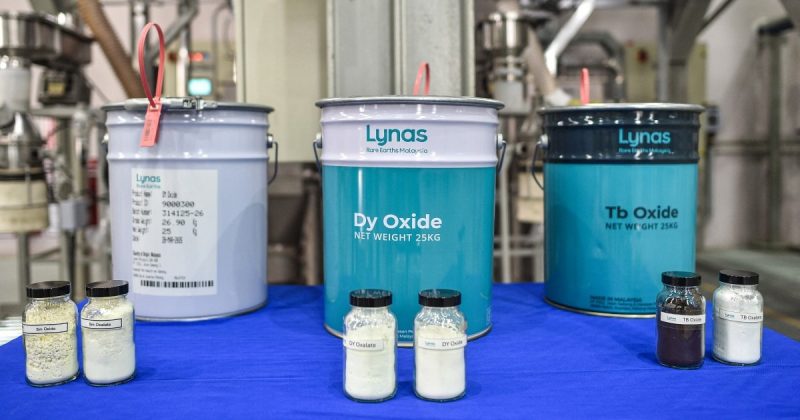
Malaysia to Restrict Rare Earth Exports, Gaining Supply Chain Power
Crypto Briefing

Malaysia to Restrict Rare Earth Exports, Gaining Supply Chain Power

Malaysia is implementing a strategic shift by considering limited exports of unprocessed rare earths, aiming to boost its leverage in global supply chains. This policy change could diversify worldwide supply chains, reduce dependency on China, and stabilize market dynamics for strategic minerals essential to blockchain technology.

This geopolitical maneuver involving critical resources has profound implications for the cryptocurrency and technology sectors, as rare earths are essential components for advanced electronics and mining equipment. By controlling raw material exports, Malaysia seeks stronger negotiating positions internationally, potentially affecting production costs and blockchain technology availability worldwide.

Jornal Bitcoin Logo