Why Is Ripple’s XRP Down 4.5% Today? Decoding the ETF Divergence

Ripple's XRP is experiencing a sudden 4.5% decline today, July 28, defying recent positive momentum. This Intel Brief highlights a puzzling disconnect in the market: why is the asset sliding even though XRP ETFs closed in the green during the previous session?
This price action suggests a complex interplay between institutional interest and spot market liquidity. As investors weigh the impact of ETF performance against immediate sell pressure, the divergence serves as a critical signal for those tracking the broader Ripple ecosystem and upcoming regulatory shifts.
Interestingly, the XRP ETFs were in the green yesterday, yet the asset is down 4.5% today, July 28. This disconnect between the bullish ETF performance and the current price drop is leaving traders searching for answers regarding the immediate catalysts driving XRP's downward movement.
This is a summarized and adapted version by Artificial Intelligence. To read the complete original story, visit the official source.
Read Full Article at CryptoPotatoSupport Jornal Bitcoin
Independent journalism, curated by AI, no clickbait. Keep the flame alive with any amount of BTC.
jonata@walletofsatoshi.comDaily Crypto Brief 📬
Subscribe to receive the curation of the most important Bitcoin and crypto news, summarized by AI. No spam.
Join more than 10,000 smart readers.
Related News
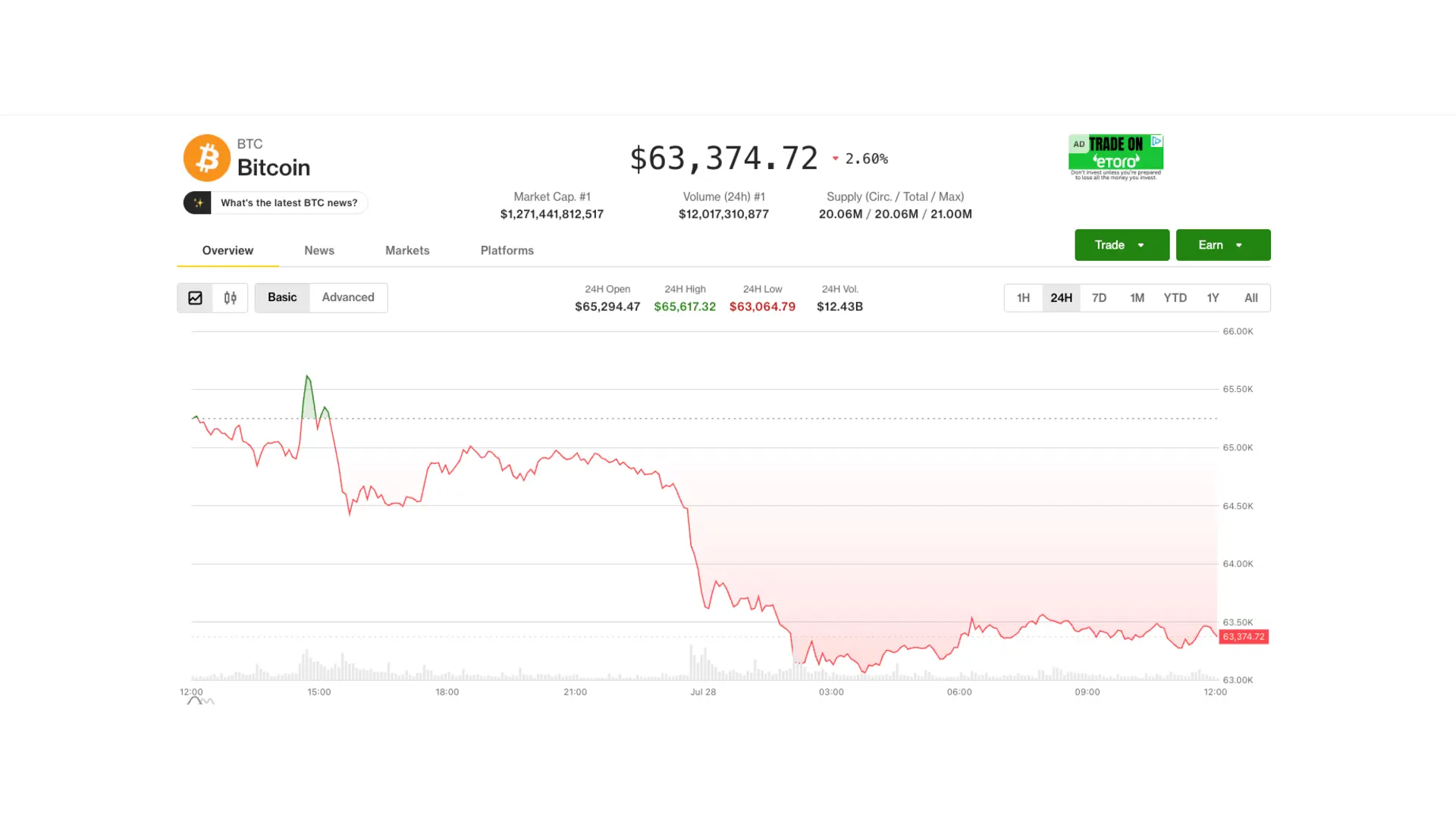
Bitcoin Plummets as South Korean Stocks Crash and U.S. Senate Shelves Crypto Clarity Act
This sudden volatility comes at a critical juncture as investors brace for a pivotal Fed decision this Wednesday. The convergence of Asian market turmoil and the legislative setback regarding the Clarity Act is heightening market anxiety and setting the stage for significant Bitcoin price action.

STF Ruling: Minister Flávio Dino Upholds Crypto Freeze and Denies Access to Investigation
This legal precedent underscores the judiciary's power to control digital assets during criminal investigations. By maintaining the crypto freeze and restricting access to the case files, the court is setting a high bar for defense strategies involving decentralized assets and digital wealth within the Brazilian legal framework.
Sen. Jon Husted Backs the CLARITY Act—But the Odds of Passage in 2026 Slip to 30%
Husted’s support adds to the chorus of Senate backers, but the political runway is narrowing. With the CLARITY Act’s future uncertain, the broader push for clear cryptocurrency regulation, market rules, and a more predictable framework for digital asset oversight continues to hinge on timing, negotiations, and legislative momentum—factors that will shape the sector’s expectations well beyond 2026.
IMF Warning: Brazil's Stablecoin Surge Outpaces Traditional Capital Flows
Crucially, the IMF warns that stablecoin purchases are two to three times more sensitive to global economic shocks than traditional foreign direct investment or portfolio flows. While the Banco Central do Brasil (BCB) has begun regulating crypto service providers, the IMF points to critical regulatory gaps in customer asset protection, issuance rules, and AML/CFT compliance standards.

Kenya Slash Stablecoin Capital Rules by 40% to Invite Global Issuers
By easing these financial requirements, the Central Bank of Kenya is positioning the nation to attract major global issuers looking for strategic entry points into the African continent. This regulatory shift is expected to drive liquidity and foster greater integration of stablecoins within the local digital economy.

Crypto Trading Slump: BitMEX and BitMart at Risk as Volumes Hit 2-Year Low
This significant contraction in trading volumes poses a direct threat to the business models of centralized platforms that rely heavily on transaction fees. As the digital asset market enters this period of stagnation, the industry faces a critical test of resilience for its most established players.
