Geopolitical Chaos: Polymarket Bets 48.5% Chance of US-Iran Ceasefire by August 31

Prediction market giant Polymarket is signaling intense volatility as the probability of a US-Iran ceasefire by August 31 sits at 48.5%. This metric serves as a high-stakes barometer for investors tracking sudden shifts in global stability.
Recent reports of the execution of anti-government protesters in Iran have injected significant political-pressure risk into the equation. These developments threaten to derail any potential diplomatic timelines, complicating the path toward an effective ceasefire and keeping the market on edge.
Polymarket is seeing a significant shift in sentiment regarding a potential US-Iran ceasefire, with odds currently hovering at 48.5% for a resolution by August 31. The prediction market is closely monitoring how geopolitical friction influences these probabilities.
Following reports on July 19 regarding the execution of two anti-government protesters in Iran, the risk of political pressure has surged. This escalation adds a layer of uncertainty that could fundamentally shift expectations for any 'effective ceasefire' timeline, making the end-of-August deadline a critical focal point for global observers.
This is a summarized and adapted version by Artificial Intelligence. To read the complete original story, visit the official source.
Read Full Article at Blockchain.newsSupport Jornal Bitcoin
Independent journalism, curated by AI, no clickbait. Keep the flame alive with any amount of BTC.
jonata@walletofsatoshi.comDaily Crypto Brief 📬
Subscribe to receive the curation of the most important Bitcoin and crypto news, summarized by AI. No spam.
Join more than 10,000 smart readers.
Related News

South China Sea Escalation: Chinese Coast Guard Strikes Philippine Sailor
Predictive models currently assign an 11.5% probability to a full-scale military clash between China and the Philippines before 2027. Such geopolitical instability serves as a major catalyst for market volatility, potentially impacting global trade routes and investor sentiment across all asset classes.
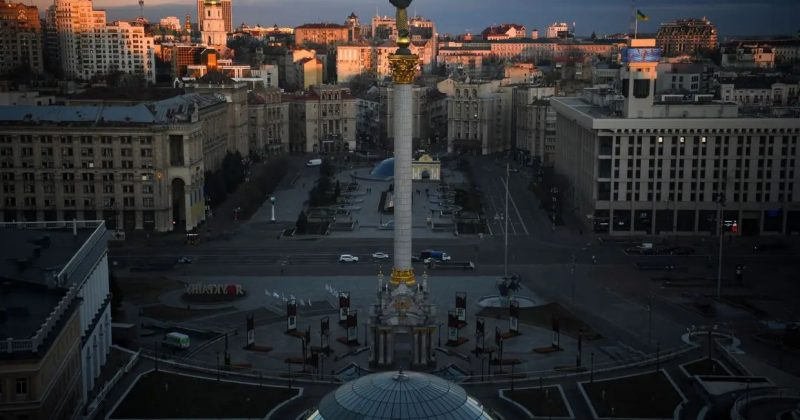
Total Escalation: Ukraine Launches 400 Drones at Moscow as Russia Intensifies Kyiv Strikes
This military escalation shifts the strategic calculus of the conflict, especially as market sentiment and analysts weigh the long-term consequences of these strikes. With specific projections suggesting an 8.5% chance of Ukraine recapturing Crimea by late 2026, the volatility of the region continues to captivate global attention.
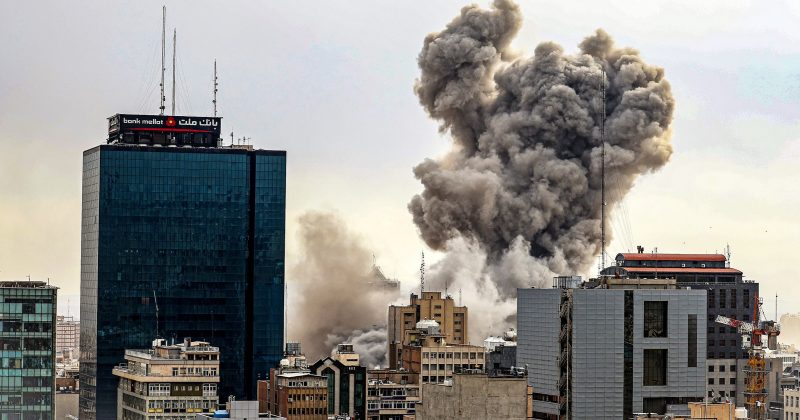
Geopolitical Escalation: Iran Strikes U.S. Targets with Precision Amid 2026 Nuclear Deadline
As the conflict intensifies, the diplomatic clock is ticking toward a critical deadline for a final nuclear deal, projected for August 13, 2026. The outcome of these negotiations will serve as a primary driver for global economic stability and market volatility in the near future.
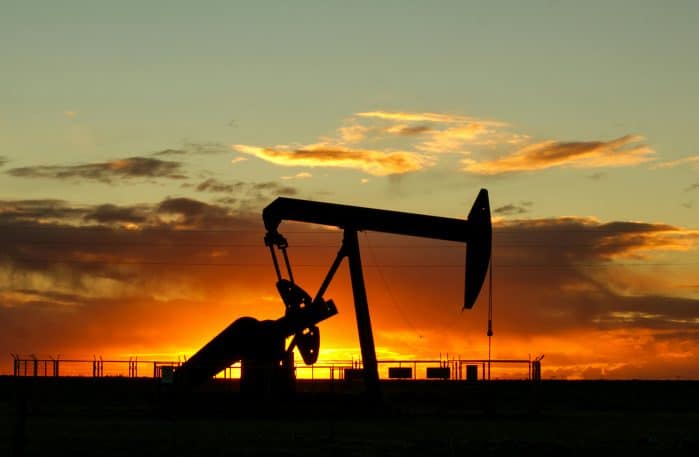
Brent Crude Surges 14% as US-Iran Tensions Threaten Global Oil Supply
As supply chains face significant interruptions, market forecasts suggest a bullish trend that could push Brent to new all-time highs by December 31. Investors are closely monitoring these developments, as a projected 11.5% increase could signal a prolonged period of energy volatility and economic shifts.

Geopolitical Alert: Iran’s Interior Minister Visits Pakistan Amid Escalating U.S. Tensions
This strategic engagement aims to fortify regional ties at a time when geopolitical instability could trigger significant volatility in digital asset markets. As diplomatic maneuvers continue, the potential impact on global liquidity and risk appetite remains a primary concern for institutional investors navigating the current landscape.
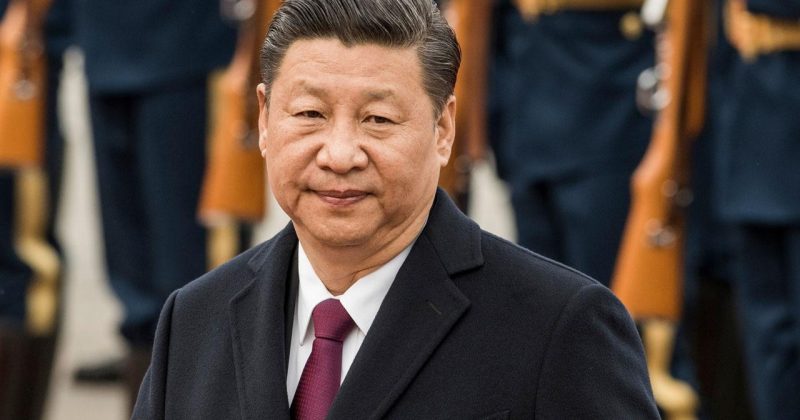
Geopolitical Shift: China and US Discuss Potential Xi Jinping Visit to the United States
Market sentiment indicators suggest a massive 92.5% probability that Xi Jinping will visit the United States before 2027. Such a visit would not only reshape bilateral trade relations but also serve as a major catalyst for global risk appetite, influencing everything from institutional capital flows to the broader macroeconomic stability of the international financial system.
