Hormuz Strait Tension: Polymarket Sees Only 2% Chance of Normal Traffic Following UK IRGC Ban
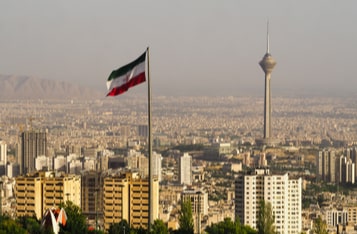
Polymarket prediction markets are signaling extreme geopolitical volatility, with the probability of normal traffic in the Hormuz Strait by July 31st sitting at a mere 2%. This low confidence follows the United Kingdom's decisive move to ban the IRGC, a move that has significantly heightened security concerns in the Gulf region.
Iran has slammed the UK's decision as "irresponsible," framing the dispute as a critical security flashpoint. This diplomatic friction is expected to fuel ongoing shipping-risk narratives, potentially disrupting global maritime corridors and influencing how prediction markets price geopolitical instability.
According to Polymarket data, the likelihood of traffic through the Hormuz Strait being deemed normal by July 31 is just 2%. This heightened state of alert follows the United Kingdom's recent decision to ban the Islamic Revolutionary Guard Corps (IRGC).
This is a summarized and adapted version by Artificial Intelligence. To read the complete original story, visit the official source.
Read Full Article at Blockchain.newsSupport Jornal Bitcoin
Independent journalism, curated by AI, no clickbait. Keep the flame alive with any amount of BTC.
jonata@walletofsatoshi.comDaily Crypto Brief 📬
Subscribe to receive the curation of the most important Bitcoin and crypto news, summarized by AI. No spam.
Join more than 10,000 smart readers.
Related News
Wall Street Giants: BlackRock and JPMorgan Lead UK Tokenization Taskforce
This massive institutional push is backed by significant economic projections. Treasury-supported reports suggest that the integration of tokenized markets could inject up to £33 billion into the UK's annual output by 2035, signaling a major leap toward the mainstream adoption of digital asset infrastructure.
Anthropic Dominance: 95.5% Odds to Lead AI Race as Polymarket Volume Hits $6.26M
As the market bets on Anthropic, the regulatory landscape is shifting rapidly. Google DeepMind's Demis Hassabis is calling for a US-led global AI watchdog to be established before year-end, aimed at vetting frontier models and implementing coordinated slowdowns if AI systems pose significant risks.
Oil Price Surge: Trump's Threats on Strait of Hormuz Trigger Market Chaos
As uncertainty surrounds the global oil supply and pricing, the broader economic implications are profound. Investors are bracing for potential supply chain disruptions, which could fuel inflation and force a shift in asset allocation across both traditional commodities and the crypto market as traders seek safe havens.

Crypto Meets Politics: Solana Community Leader Challenges Nigel Farage in UK Election
Newnham’s platform is built on a futuristic vision of governance, emphasizing onchain transparency for political donations and meetings. By advocating for pension reform and digital literacy, including AI education, the campaign aims to leverage blockchain technology to empower citizens and ensure financial sovereignty through onchain accountability.
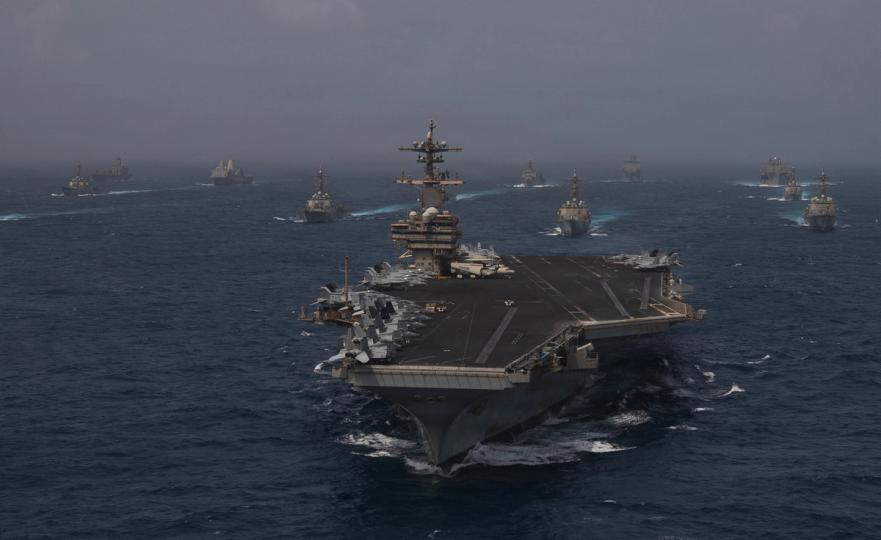
U.S.-Iran Escalation Hits Bitcoin and Stocks as Oil Prices Surge
With oil prices climbing in response to the Middle East instability, the macroeconomic fallout could intensify the pressure on Bitcoin. The interplay between energy security and market liquidity suggests that this geopolitical friction will remain a primary driver of market volatility in the near term.
UK Crypto Tax Revolution: 'No Gain, No Loss' Rule for Lending Set for 2027
This policy change is expected to act as a catalyst for increased participation in crypto lending, potentially reshaping market demand and investor sentiment. By lowering the tax friction associated with DeFi contexts, the UK is positioning itself as a more competitive hub for decentralized finance and digital asset innovation.
