Polymarket Shift: 2026 Fed Rate Hike Odds Drop to 59% Following Bond-ETF Catalyst
Predictive market giant Polymarket is seeing a shift in sentiment as the odds for a Federal Reserve rate hike in 2026 have eased to 59%. This adjustment follows a strategic catalyst within the bond-ETF sector, signaling a recalibration of how traders view long-term monetary policy.
Market attention has intensified around investment-grade instruments, specifically highlighting active ETFs like FCOR that utilize derivatives to maintain portfolio durability. As investors navigate shifting yields, the interplay between bond-focused write-ups and ETF performance is becoming a primary driver for market forecasting.
Polymarket data shows that the odds of a Federal Reserve interest rate hike in 2026 have cooled to 59%. This shift comes on the heels of a bond-focused market analysis that has redirected investor attention toward specific fixed-income strategies.
The analysis spotlighted FCOR, an active investment-grade ETF designed to provide durability through the use of derivatives, charging a 36 bps fee. This bond-ETF catalyst is playing a crucial role in shaping the current betting landscape regarding the Fed's future trajectory.
This is a summarized and adapted version by Artificial Intelligence. To read the complete original story, visit the official source.
Read Full Article at Blockchain.newsSupport Jornal Bitcoin
Independent journalism, curated by AI, no clickbait. Keep the flame alive with any amount of BTC.
jonata@walletofsatoshi.comDaily Crypto Brief 📬
Subscribe to receive the curation of the most important Bitcoin and crypto news, summarized by AI. No spam.
Join more than 10,000 smart readers.
Related News
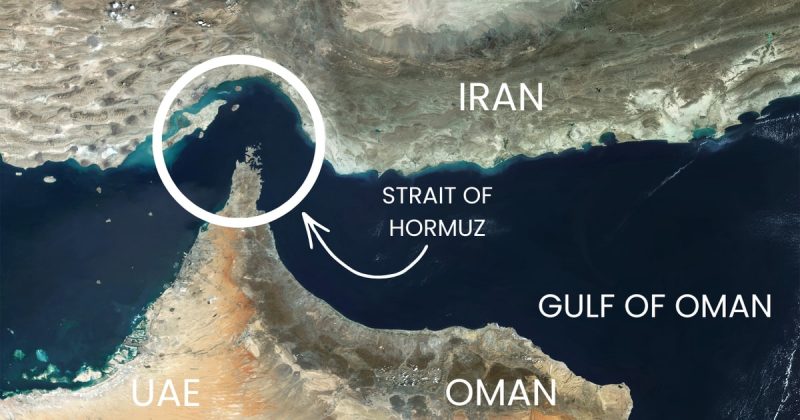
Global Alert: Iran Warns US as Strait of Hormuz Conflict Looms for 2026
Beyond diplomatic fallout, this escalation poses a massive threat to global energy markets. The potential for widespread destabilization could trigger significant volatility in energy prices and broader financial markets, making this a key development for those tracking geopolitical risks and macro-economic shifts.
Polymarket Odds Surge: 79.5% Chance of July Fed Hold as Investors Pivot to Risk-Off
The pivot toward a risk-off environment was triggered by geopolitical tensions and shifting expectations regarding Middle East stability. As equities slide and crude oil prices jump, the market is recalibrating its stance on liquidity and the Fed's upcoming monetary policy decisions.

Middle East Crisis: Iran Strikes Qatar and UAE Amid Rising US-Israeli Tensions
Beyond the immediate military threat, these strikes complicate ongoing US-Iran diplomatic efforts and pose a significant risk to global economic stability. The potential for widespread disruption in energy markets could trigger massive volatility across both traditional commodities and the broader financial landscape.
The Ultimate Banking Battle: Custodia Takes Fight Against the Fed to the Supreme Court
This legal showdown aims to curb the discretionary power of regional Fed banks, which have frequently blocked access to traditional banking rails for fintech and crypto-adjacent firms. A victory for Custodia could set a massive precedent, forcing the U.S. banking system to integrate more seamlessly with the evolving cryptocurrency economy and reshaping the regulatory landscape.

Red Alert: Qatar Raises Security Threat Level Amid Escalating Iran Tensions
Rising tensions threaten to destabilize Gulf economies and exert significant pressure on global markets, potentially triggering massive volatility. As the situation evolves, international diplomatic interventions will be crucial to prevent a full-scale conflict and safeguard the global economic landscape.

Geopolitical Explosion: US Strikes Iran Following Hormuz Attack as Israel Confirms Assassination Plot
Beyond the immediate violence, intelligence leaks suggest a profound attempt to destabilize Iran's leadership and dismantle its regional alliances. Such high-stakes geopolitical tensions often trigger massive volatility in global markets, making this a critical moment for investors monitoring systemic risk.
