Polymarket Surge: Fed Hold Probability Hits 95% Following $66.7M Betting Blitz
Prediction market giant Polymarket is witnessing a massive shift in sentiment, with the probability of a July Fed hold skyrocketing to 95.85%. This dramatic 24-percentage-point jump was fueled by a staggering $66.7 million in volume, reflecting a decisive bet on upcoming macroeconomic stability.
As these macro conditions settle, the focus shifts to the broader crypto landscape. Analysts suggest that Bitcoin’s second-half recovery is contingent on four specific catalysts, noting that while macro factors may not be the immediate driver, they serve as the critical swing factor for long-term market momentum.
Polymarket is sending shockwaves through the financial markets as the probability of a Federal Reserve hold in July climbs to 95.85%. This follows a massive 24-percentage-point surge triggered by $66.7 million in betting volume, signaling a high-conviction move by institutional and retail speculators alike.
According to a recent market note, the trajectory for Bitcoin's recovery in the second half of the year hinges on four key catalysts. While macroeconomic conditions are currently viewed as a secondary driver rather than an immediate price catalyst, they remain the ultimate swing factor that will determine the strength of the crypto market's next leg up.
This is a summarized and adapted version by Artificial Intelligence. To read the complete original story, visit the official source.
Read Full Article at Blockchain.newsSupport Jornal Bitcoin
Independent journalism, curated by AI, no clickbait. Keep the flame alive with any amount of BTC.
jonata@walletofsatoshi.comDaily Crypto Brief 📬
Subscribe to receive the curation of the most important Bitcoin and crypto news, summarized by AI. No spam.
Join more than 10,000 smart readers.
Related News

Global Chaos: Iranian Revolutionary Guard Halts Oil Exports, Sending Energy and Crypto Markets into Turmoil
Beyond the immediate energy crisis, this geopolitical shift highlights the critical impact of Iran's $3B crypto sanctions. As tensions rise, the intersection of energy scarcity and digital asset restrictions is creating a high-stakes environment, forcing market participants to navigate a landscape where geopolitical instability directly dictates asset pricing and liquidity.
UK Tax Break: HMRC Defers Capital Gains Tax on Crypto Liquidity Pools
This regulatory shift is expected to impact roughly 700,000 individuals, drastically simplifying tax reporting for the growing DeFi community. By addressing the complexities of liquidity pool interactions, the HMRC aims to reduce the administrative burden on crypto users and provide much-needed clarity for decentralized finance participants.
Bybit Goes Big in Indonesia: Strategic NOBI Acquisition Targets 21 Million Users
The rollout will be executed in phases, initially offering 500 cryptocurrency trading pairs to capture local demand. Led by former NOBI executives Lawrence Samantha and Dionisius Evan, this expansion leverages a massive user base of over 21 million registered individuals, marking a significant milestone in Bybit's global dominance.

Polymarket Bets: Starmer Hits 99% Probability as Next Leader Before 2027
The implications of this trend extend to global geopolitical forecasting, where prediction markets are increasingly outperforming traditional polling. As these odds solidify, the broader market must prepare for the consequences of a leadership transition that could reshape economic policies and international relations well before the 2027 horizon.
Bitcoin Drops Below $64,000 as U.S. Strikes on Iran and Trump's China Comments Fuel Panic
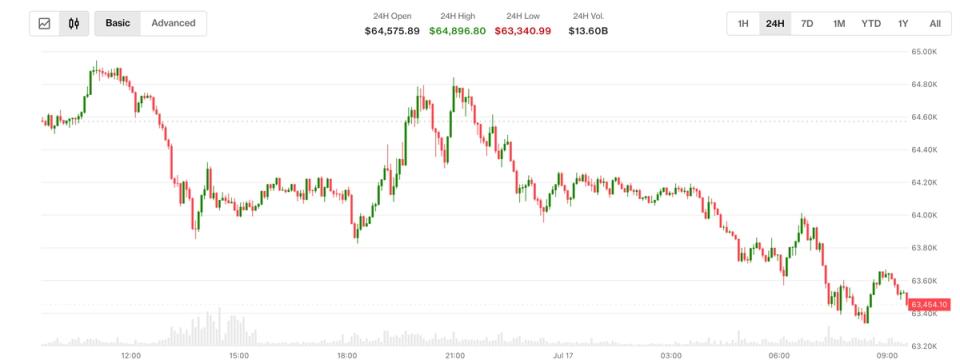
Adding to the volatility, recent comments from Donald Trump regarding China have stoked fears of renewed U.S.-China frictions. As investors brace for potential trade wars or diplomatic fallout, the uncertainty is driving a flight from volatile assets, leaving Bitcoin and other digital assets struggling to maintain support levels.

Iran's Power Crisis Puts $7.8B Crypto Ecosystem at Risk
As energy stability falters, the impact on the global Bitcoin mining landscape could be significant. This intersection of geopolitical conflict and energy scarcity highlights the growing vulnerability of digital asset infrastructure to state-level kinetic warfare and power grid instability.
