99% Odds: Polymarket Predicts Hormuz Strait Tensions Will Not Normalize by July

Polymarket odds have reached a staggering 99% certainty that maritime traffic in the Strait of Hormuz will not normalize by July 31. Following eight consecutive days of U.S. airstrikes targeting IRGC-linked coastal surveillance, air defenses, and maritime sites, the prediction market is signaling a high-conviction belief in sustained geopolitical instability.
This massive shift in sentiment underscores the growing fear of a prolonged disruption to global energy corridors. As military actions intensify against critical maritime infrastructure, the market is pricing in a reality where the Strait of Hormuz remains a volatile flashpoint, potentially impacting global trade and oil supply chains.
This is a summarized and adapted version by Artificial Intelligence. To read the complete original story, visit the official source.
Read Full Article at Blockchain.newsSupport Jornal Bitcoin
Independent journalism, curated by AI, no clickbait. Keep the flame alive with any amount of BTC.
jonata@walletofsatoshi.comDaily Crypto Brief 📬
Subscribe to receive the curation of the most important Bitcoin and crypto news, summarized by AI. No spam.
Join more than 10,000 smart readers.
Related News

Geopolitical Escalation: Iran Strikes US Aircraft in Jordan Using Ballistic Missiles
Such high-stakes military maneuvers inevitably trigger massive volatility across global markets, including the crypto sector. As the world watches for a US response, the intersection of geopolitical warfare and market stability remains a primary concern for institutional investors and retail traders alike.
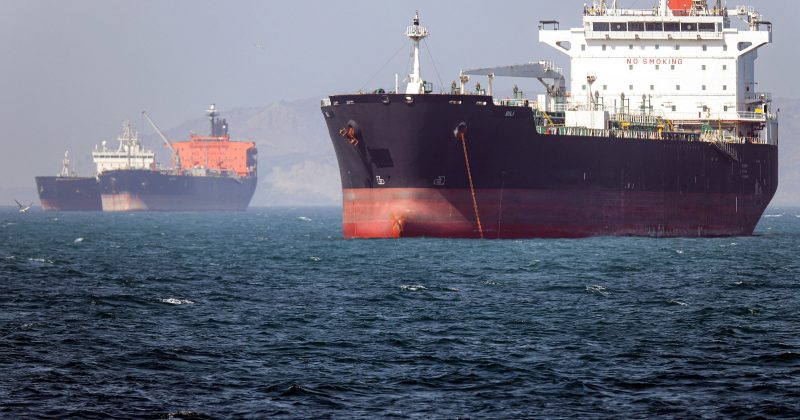
Geopolitical Flashpoint: Iran Targets Oil Tankers in Strait of Hormuz Amid 2026 Crisis Fears
While maritime traffic reportedly returned to normal by August 31, the strike is being viewed through the lens of a looming 2026 crisis. The strategic importance of the Strait of Hormuz means that any disruption carries heavy implications for global inflation and energy security, forcing a re-evaluation of risk management in an increasingly unstable world.
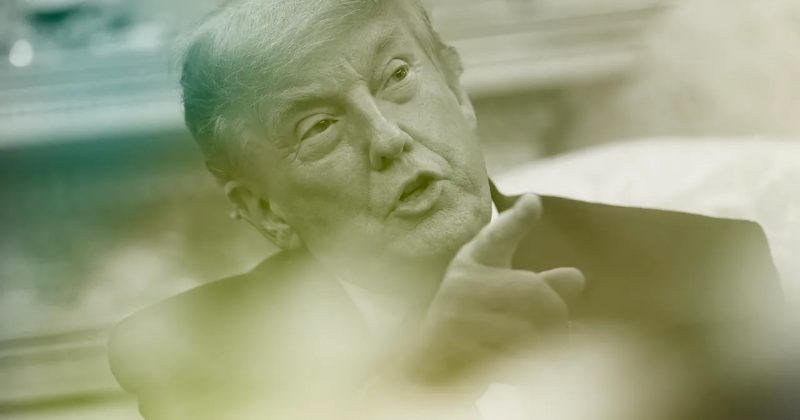
Geopolitical Crisis: US Soldier Killed in Iraq Triggers Trump's New Strikes on Iran
This military surge heightens global market uncertainty and fuels speculation regarding long-term regional stability. Market analysts are closely watching the 30.5% probability of a full-scale U.S. invasion of Iran before 2027, a factor that could trigger massive volatility across crypto and traditional finance sectors.
Polymarket Shock: Lula Odds Surge to 59.5% Following Massive 10-Point Jump
This sudden spike in betting odds highlights the growing influence of decentralized prediction markets in gauging political sentiment. As the odds fluctuate, analysts are closely watching how these blockchain-based insights impact broader market perceptions of Brazilian stability and election outcomes.
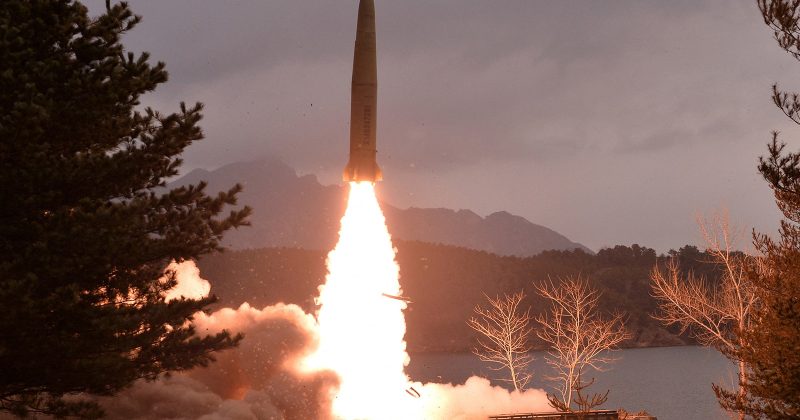
Middle East Tension: Iran Launches New Missile Wave as Crypto Markets Shrug Off Conflict
This divergence between geopolitical instability and digital asset pricing highlights a unique market sentiment. However, investors should remain cautious, as the escalating conflict poses significant risks to global liquidity and could trigger sudden volatility in the crypto market if the situation worsens.

US Regulatory Chaos: Will the CLARITY Act Pass as Bitcoin Eyes $80K?
Political controversy is fueling the uncertainty, as Senator Elizabeth Warren targets Donald Trump’s massive crypto earnings to derail the vote. This ethical deadlock in Washington could delay critical regulatory clarity, potentially creating a volatile environment as Bitcoin traders eye a bullish new target of $80,000.
