Geopolitical Shift: Polymarket Odds Hit 63.5% for US Halting Iran Operations by August 31
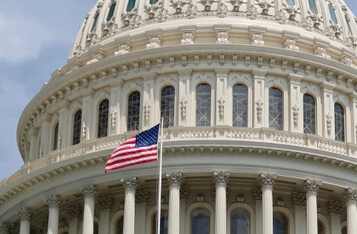
Predictive market giant Polymarket is signaling a major shift in global tensions, with odds now reaching 63.5% that the United States will halt operations against Iran by August 31. This surge in probability highlights how prediction markets are becoming essential tools for gauging real-world geopolitical shifts and institutional sentiment.
As these odds fluctuate, the broader landscape of global instability is being fueled by escalating conflicts elsewhere, including Ukraine's report of the largest Russian ballistic-missile strike to date. The intersection of Middle Eastern tensions and the intensifying war in Ukraine creates a complex web of geopolitical risk that investors must navigate carefully.
Polymarket odds have climbed to 63.5% regarding the likelihood of the United States halting operations against Iran by August 31. This shift underscores the growing influence of prediction markets in interpreting complex international relations and high-stakes political outcomes.
Adding to the global volatility, the conflict in Eastern Europe shows no signs of slowing down. Ukraine has reported that a recent Russian ballistic-missile strike was the largest seen so far, marking a fresh and dangerous escalation in the ongoing war that could impact global market stability.
This is a summarized and adapted version by Artificial Intelligence. To read the complete original story, visit the official source.
Read Full Article at Blockchain.newsSupport Jornal Bitcoin
Independent journalism, curated by AI, no clickbait. Keep the flame alive with any amount of BTC.
jonata@walletofsatoshi.comDaily Crypto Brief 📬
Subscribe to receive the curation of the most important Bitcoin and crypto news, summarized by AI. No spam.
Join more than 10,000 smart readers.
Related News

Inflation Spreads: Polymarket Odds Hit 93% for July Fed Hold
Citing insights from Goldman Sachs economists, the data indicates that inflation is 'broadening out' across multiple consumer categories. This widespread price pressure complicates the Fed's path toward monetary easing, potentially delaying rate cuts and maintaining high borrowing costs for the global economy and crypto markets.

South China Sea Escalation: Chinese Coast Guard Strikes Philippine Sailor
Predictive models currently assign an 11.5% probability to a full-scale military clash between China and the Philippines before 2027. Such geopolitical instability serves as a major catalyst for market volatility, potentially impacting global trade routes and investor sentiment across all asset classes.

Total Escalation: Ukraine Launches 400 Drones at Moscow as Russia Intensifies Kyiv Strikes
This military escalation shifts the strategic calculus of the conflict, especially as market sentiment and analysts weigh the long-term consequences of these strikes. With specific projections suggesting an 8.5% chance of Ukraine recapturing Crimea by late 2026, the volatility of the region continues to captivate global attention.
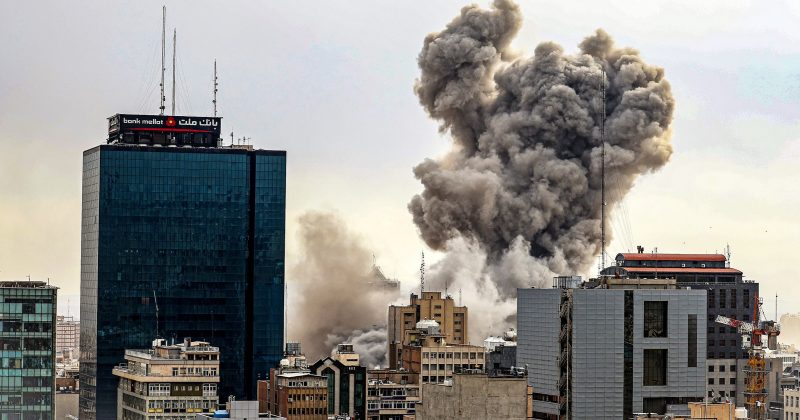
Geopolitical Escalation: Iran Strikes U.S. Targets with Precision Amid 2026 Nuclear Deadline
As the conflict intensifies, the diplomatic clock is ticking toward a critical deadline for a final nuclear deal, projected for August 13, 2026. The outcome of these negotiations will serve as a primary driver for global economic stability and market volatility in the near future.
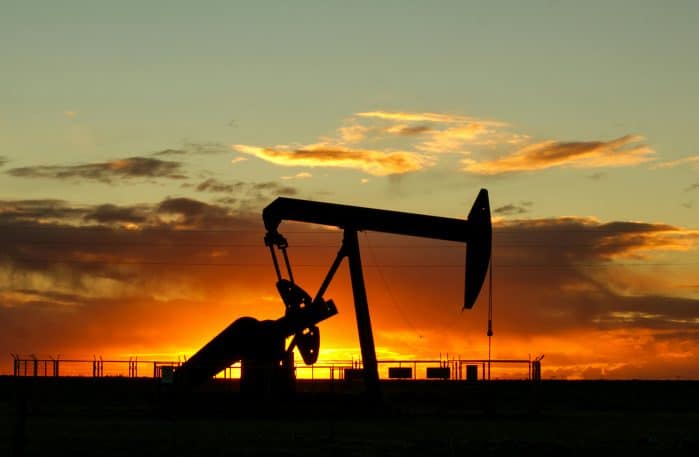
Brent Crude Surges 14% as US-Iran Tensions Threaten Global Oil Supply
As supply chains face significant interruptions, market forecasts suggest a bullish trend that could push Brent to new all-time highs by December 31. Investors are closely monitoring these developments, as a projected 11.5% increase could signal a prolonged period of energy volatility and economic shifts.

Geopolitical Alert: Iran’s Interior Minister Visits Pakistan Amid Escalating U.S. Tensions
This strategic engagement aims to fortify regional ties at a time when geopolitical instability could trigger significant volatility in digital asset markets. As diplomatic maneuvers continue, the potential impact on global liquidity and risk appetite remains a primary concern for institutional investors navigating the current landscape.
