Polymarket Bets 98% on Anthropic Becoming Top AI Model by July Amid 'Kill Switch' Legislation

Prediction market giant Polymarket is signaling an overwhelming consensus, with odds hitting 98% that Anthropic will emerge as the leading AI model by July. This aggressive forecasting highlights the intense competition in the generative AI sector as companies race to establish dominance before regulatory frameworks solidify.
However, the shadow of the proposed 'AI Kill Switch Act' looms large over the industry. This US legislative move would empower the DHS Secretary to throttle or shut down specific AI systems, mandating built-in shutdown controls that could fundamentally reshape how large-scale artificial intelligence models are deployed and governed.
Polymarket is currently pricing in a near-certainty for Anthropic, with odds reaching 98% that the company will secure its position as the top AI model by July. As the race for artificial intelligence supremacy intensifies, the market is looking closely at how technological milestones intersect with emerging legal hurdles.
US lawmakers have introduced the 'AI Kill Switch Act,' a controversial bill that would grant the DHS Secretary the authority to order the throttling or total shutdown of certain AI systems. By requiring built-in shutdown controls, the act introduces a significant layer of government oversight that could impact the operational autonomy of major AI developers.
This is a summarized and adapted version by Artificial Intelligence. To read the complete original story, visit the official source.
Read Full Article at Blockchain.newsSupport Jornal Bitcoin
Independent journalism, curated by AI, no clickbait. Keep the flame alive with any amount of BTC.
jonata@walletofsatoshi.comDaily Crypto Brief 📬
Subscribe to receive the curation of the most important Bitcoin and crypto news, summarized by AI. No spam.
Join more than 10,000 smart readers.
Related News

Geopolitical Alert: Hormuz Tanker Traffic Plummets to May Lows Amid US-Iran Friction
While current data suggests a potential normalization of traffic by September 30 at a rate of 21.5%, the underlying geopolitical risk remains a primary driver of market volatility. Investors should prepare for potential ripple effects across global commodities and high-risk asset classes as the situation evolves.

Geopolitical Shockwave: US Reverses Support for Saudi Nuclear Deal
Adding to the complexity, reports suggest that Iranian reconstruction funding could be a key component of a US-Iran deal by 2026, with specific financial frameworks currently under scrutiny. As these high-stakes negotiations evolve, the ripple effects are expected to influence global energy markets and broader macroeconomic stability.
Argentina's Bold Move: New Deregulation Bill to Bring Crypto and Blockchain to Capital Markets
Beyond simple integration, the bill seeks to grant full legal validity to smart contracts and enable the issuance of securities via blockchain technology. This strategic shift is designed to bridge the gap between traditional finance and the digital economy, potentially turning Argentina into a leading global hub for blockchain-driven financial services.
Geopolitical Gambit: Trump Ties Saudi Nuclear Deal to Israel Normalization
The implications of this linkage extend far beyond diplomacy, potentially altering global market stability and geopolitical risk profiles. As the administration pushes for a new regional order, the intersection of Saudi nuclear ambitions and Israeli normalization could redefine international security frameworks and influence long-term economic trends in the energy sector.
Zero Gas Fees? Sui's New Stablecoin Transfers Aim to Fix Web3 Payments Forever
This strategic move aims to bridge the gap between complex blockchain mechanics and mainstream usability. By removing the requirement for users to hold native tokens just to move their value, Sui is paving the way for mass adoption and frictionless digital commerce.
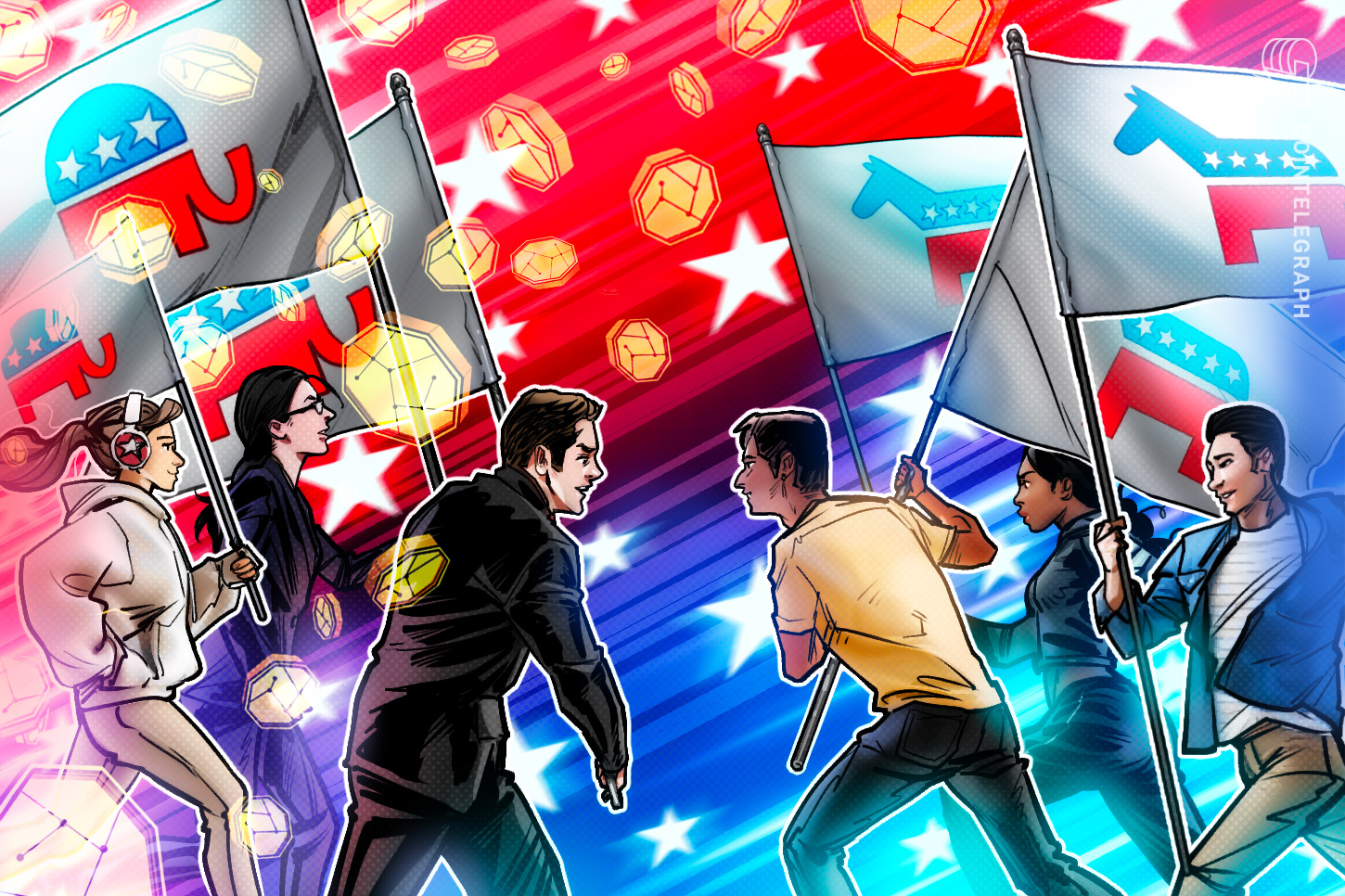
“Piece of Shit”: Democratic Senator Blasts GOP’s Crypto Ethics Proposal
The Digital Asset Market Clarity (CLARITY) Act aims to prohibit all US federal officials, including President Donald Trump, from issuing or sponsoring any digital assets. Despite this, Democrats argue the framework is fundamentally flawed, setting the stage for a legislative showdown as they prepare a counterproposal to ensure robust ethics and market integrity.
