PLTR Price Prediction: Epic Battle Between Bulls and Bears — $192 Target in Sight, But $177.64 is the Make-or-Break Level

Intelligence Brief: PLTR tokenized stock is trading at $174.57, pressing hard against immediate resistance at $177.64, while Wall Street's 36-analyst consensus sits at $192.19. This setup favors bulls in the 7-30 day timeframe, indicating significant upside potential for the digital asset.
The battle between bears and bulls is shaping the PLTR market direction, with $177.64 serving as a critical line that, if broken, could accelerate movement toward the $192 target. Investors and traders are closely watching this inflection point, which could determine the next major price move for the technology giant's tokenized stock, reflecting market confidence in the company's future prospects.
This is a summarized and adapted version by Artificial Intelligence. To read the complete original story, visit the official source.
Read Full Article at Blockchain.newsSupport Jornal Bitcoin
Independent journalism, curated by AI, no clickbait. Keep the flame alive with any amount of BTC.
jonata@walletofsatoshi.comDaily Crypto Brief 📬
Subscribe to receive the curation of the most important Bitcoin and crypto news, summarized by AI. No spam.
Join more than 10,000 smart readers.
Related News
Securitize Brings Neuberger's $230B Credit Platform Onchain - A Game Changer for DeFi
This development marks a significant milestone in institutional blockchain adoption, enabling investors to access sophisticated financial products through multiple high-performance blockchains. The partnership between Securitize and Neuberger, with its $230 billion in assets under management, demonstrates the growing interest from traditional financial institutions in the digital asset space and opens new avenues for democratizing access to high-yield credit products.
Future of Finance: $700M Real-World Assets Flood Solana for Tokenized Equities
This trend of real-world asset tokenization on Solana is accelerating the transformation of global financial markets, offering enhanced liquidity, transparency, and efficiency. As more capital flows into the Solana ecosystem for tokenized equities, we may witness a fundamental restructuring of how assets are traded, managed, and regulated, positioning blockchain as an essential backbone of the future financial system.
Trump Urges Congress to Legitimize Crypto in Potential Game-Changing Legislation
Trump's legislative push could accelerate institutional adoption of cryptocurrencies, attract significant capital inflows, and set a precedent for regulatory frameworks worldwide. With the crypto market valued in the billions, this potential legislation would bring much-needed legal clarity, potentially fueling financial innovation across the United States and creating new opportunities for blockchain technology to flourish under defined regulatory boundaries.
Bitcoin Surges to $70,000 for First Time Since June: Here's Why
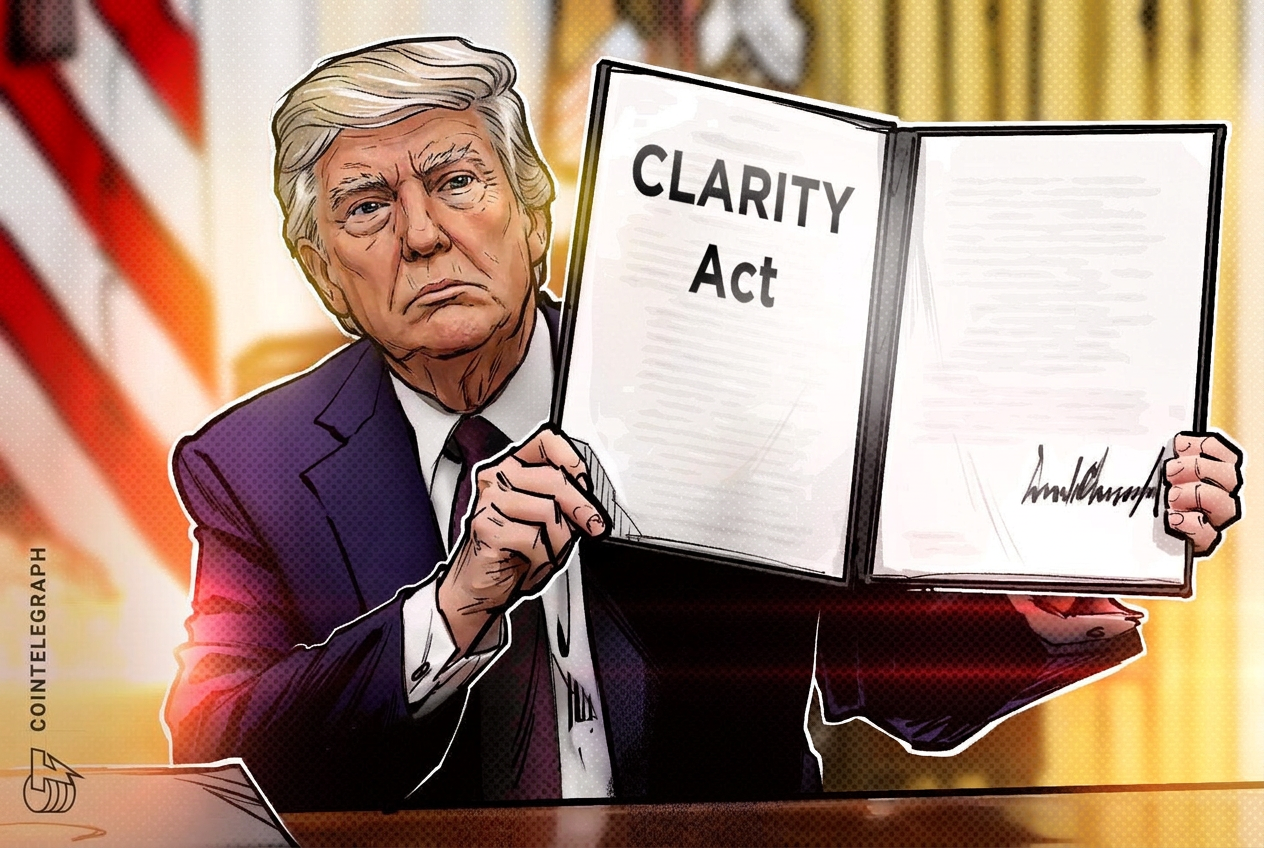
Trump Pushes CLARITY Act Passage with Crypto Leaders to Keep US Ahead of China
The market structure bill, which passed the House of Representatives in July 2025, has been stalled in the Senate for months amid concerns about tokenized equities, stablecoin rewards, and potential conflicts of interest involving the Trump family and the crypto industry. Armstrong, who spoke after Trump and US regulatory heads, stated that the bill would make US crypto policies 'durable into the future, so it could survive for decades and decades to come.' The Coinbase CEO speculated that the legislation could secure 'more than 60 votes' once the Senate addresses a cloture motion on September 18, signaling a potential breakthrough for the crypto regulatory framework in the United States.
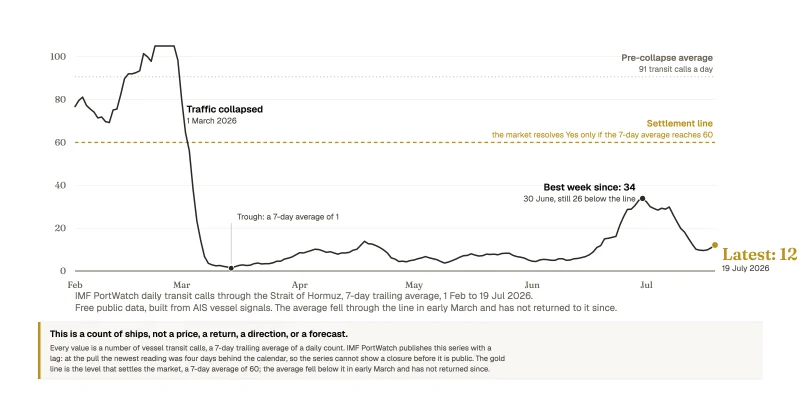
Hormuz Crisis: Global Trade Routes Face Critical Vulnerabilities
This vulnerability in the world's most important maritime corridor for oil and other commercial commodities reignites debates about the need for logistical alternatives. Investors and corporations are reevaluating supply chain strategies, while the cryptocurrency market emerges as a potential decentralized solution to mitigate disruption risks in traditional financial systems.
