Argentina’s Banking Giants Are Quietly Developing Peso Stablecoins for Institutions

Despite strict central bank bans on crypto-related banking services, major Argentine banking groups are moving behind the scenes to develop digital peso stablecoins. This strategic pivot aims to provide institutional clients with programmable money solutions that bypass traditional friction.
By focusing on peso-pegged assets rather than the standard dollar-pegged alternatives like USDT or USDC, these banks are positioning themselves to capture the corporate demand for blockchain-driven liquidity. This development could signal a major shift in how local businesses interact with digital assets and programmable finance within a highly regulated environment.
Local reports indicate that while the central bank maintains a ban on banks offering crypto services, two major banking holding groups are preparing to offer digital peso stablecoin alternatives specifically designed for businesses. This move is intended to leverage the unique perks of programmable money. While dollar-pegged stablecoins, such as USDC and USDT, remain the market standard, the emergence of local peso stablecoins could redefine corporate treasury management and payment automation in Argentina.
This is a summarized and adapted version by Artificial Intelligence. To read the complete original story, visit the official source.
Read Full Article at Bitcoin.comSupport Jornal Bitcoin
Independent journalism, curated by AI, no clickbait. Keep the flame alive with any amount of BTC.
jonata@walletofsatoshi.comDaily Crypto Brief 📬
Subscribe to receive the curation of the most important Bitcoin and crypto news, summarized by AI. No spam.
Join more than 10,000 smart readers.
Related News

The BlackRock Signal: How the CLARITY Act Could Trigger a Programmable Money Revolution
Beyond mere compliance, the implications of this act point toward a massive shift into the era of programmable money. As legal frameworks solidify, the convergence of traditional finance and blockchain technology is expected to accelerate, driving innovation in automated finance and smart contract integration on a global scale.

Securitize Capital Secures SEC Registration, Boosting Institutional Tokenization
By adding investment advisory capabilities to its existing suite of regulated services—including broker-dealer and transfer agent roles—Securitize is building a robust bridge to traditional finance. Moving from an exempt reporting adviser to a fully regulated entity under the Investment Advisers Act ensures higher standards of compliance and transparency, driving the mass adoption of tokenized assets in global capital markets.

Beyond Payments: Ripple’s Massive Pivot to Full-Stack Financial Infrastructure
By building this comprehensive layer, Ripple is setting the stage to reshape the landscape of institutional finance. The move aims to streamline how digital assets and liquidity are managed, potentially lowering barriers to entry and driving massive-scale adoption of blockchain-based financial services across the globe.

Game Changer: Cash App Wipes Out Fees on Large Bitcoin Buys and Recurring Orders
By targeting high-value transactions and automated investment strategies, Cash App is directly challenging the fee structures of major crypto exchanges. This shift is expected to drive significant volume toward the platform, as investors seek to minimize slippage and transaction costs during large-scale Bitcoin accumulation.
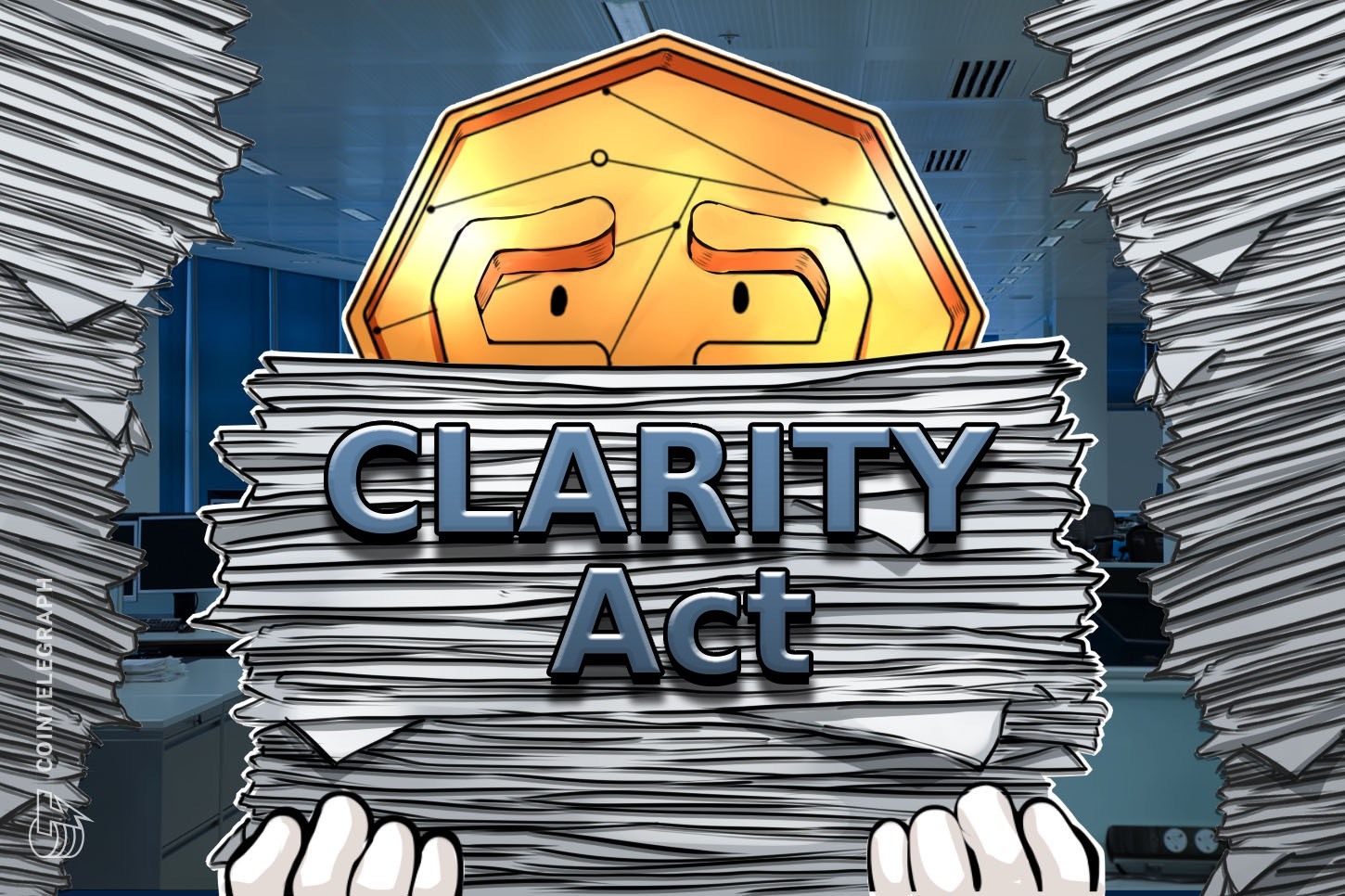
Fidelity Joins Massive Push for Senate Passage of CLARITY Act
This legislative push, supported by industry heavyweights like Coinbase and the Blockchain Association, aims to establish a definitive market structure. By advocating for this digital asset legislation, these institutions are seeking the legal certainty required to integrate crypto more deeply into the traditional financial ecosystem.

Ripple Debuts 'Mint' Platform to Scale RLUSD Institutional Adoption
This launch marks a significant expansion in Ripple's ecosystem, positioning RLUSD as a primary tool for corporate payments, trading, and treasury management. By supporting both manual operations and high-speed automated integrations, Ripple is directly addressing the scalability needs of financial institutions transitioning to digital dollar solutions.
