Pi Network crumbles to a new ATL as Bitcoin stalls near $64K — market flips in 24 hours

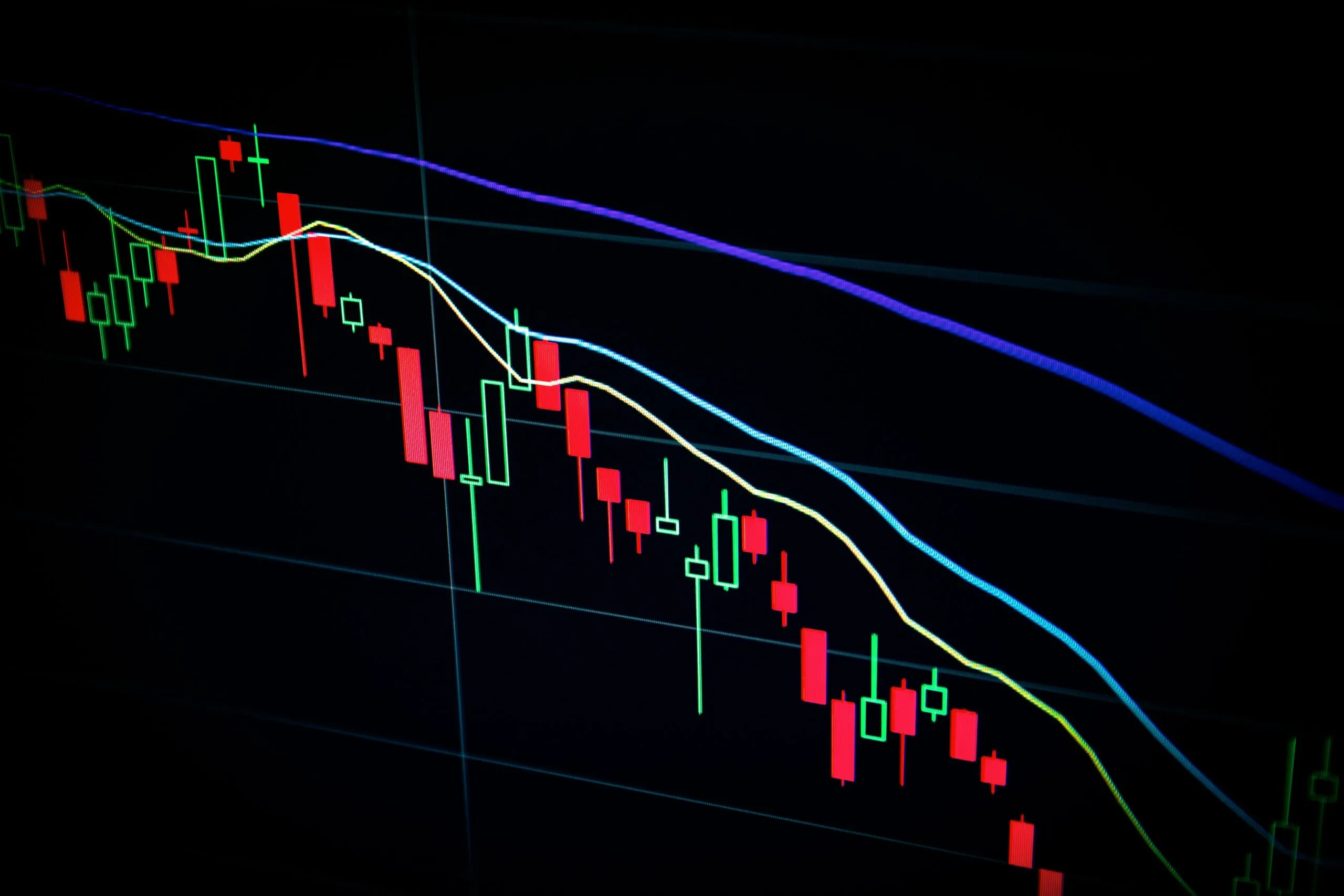
INTEL BRIEF: Pi Network has broken lower into a new ATL, intensifying sell-side pressure, while Bitcoin (BTC) is essentially halted around the $64K mark. With momentum stalling, traders are being pushed back into risk-off behavior.
The Pi Network move highlights a fast liquidity rotation: it’s not just “red candles,” it’s a narrative shift. Over the same 24-hour window, the market saw opposite extremes—M jumped double digits, while LAB dropped by more than 80%—bringing price action, liquidity, and risk management back to the center of attention. Until BTC regains traction beyond $64K, altcoin volatility is likely to remain the dominant theme.
Crypto markets moved into another high-volatility phase. Pi Network (Pi) collapsed and printed a new all-time low (new ATL), signaling strong selling pressure over the past hours. At the same time, Bitcoin (BTC) stalled—pausing its advance and drawing fresh attention around the $64K level.
Within the same 24-hour stretch, other coins delivered extreme moves: M surged by double digits, while LAB plunged by more than 80%. The sharp divergence underscores an aggressive capital rotation, and with BTC still stuck, instability is likely to continue—concentrating gains in a few names while punishing others as liquidity fades.
This is a summarized and adapted version by Artificial Intelligence. To read the complete original story, visit the official source.
Read Full Article at CryptoPotatoSupport Jornal Bitcoin
Independent journalism, curated by AI, no clickbait. Keep the flame alive with any amount of BTC.
jonata@walletofsatoshi.comDaily Crypto Brief 📬
Subscribe to receive the curation of the most important Bitcoin and crypto news, summarized by AI. No spam.
Join more than 10,000 smart readers.
Related News

AAVE Price Prediction: $97 or $81? The MACD Flatline Signaling a Massive Breakout
This MACD flatline forces a binary decision for traders, with price targets oscillating between a bullish recovery to $97 or a bearish slide to $81. As volatility prepares to surge, monitoring this momentum shift is crucial for anyone tracking AAVE price action and broader DeFi market trends.

Ethereum Gas Hits 1 Gwei: A Rare Golden Window for Mainnet Users
This low-fee environment fundamentally shifts the user experience, making complex on-chain activities more accessible than ever. For those who have historically bypassed the mainnet due to high costs, this sudden drop in gas prices offers a strategic moment to execute smart contracts and manage assets with maximum capital efficiency.

HBAR Price Alert: Bears Take Control as Price Nears $0.072 — Is a Drop to $0.065 Inevitable?
Market analysts suggest that without significant KOL noise or a sudden influx of liquidity, the price could flush down to the $0.065 support zone. While a short-term dead-cat bounce toward $0.080 remains a structural possibility, the immediate outlook remains dominated by bearish sentiment.

Bitcoin Calm Before the Storm? July 17 Oil Deadline Triggers Iran Shock
With the replacement General License X1 strictly limiting transactions to a wind-down period ending July 17, the window for Iranian petroleum and petrochemical trades is slamming shut. This tightening of sanctions creates a high-stakes environment that could force a shift in investor sentiment, potentially linking energy market instability to Bitcoin price action.
Ethereum ETF Race Hits Final Stretch as Issuers Update Key Filings
This transition signals that the infrastructure for institutional adoption is nearing completion. As issuers refine their regulatory filings, the focus shifts toward the immediate impact on market liquidity and the potential for a massive influx of capital into the Ethereum ecosystem, marking a pivotal moment for the entire crypto asset class.

PEPE Price Crash: Is the Frog Drowning or Just Bouncing?
The silence from key KOLs and the lack of buying pressure suggest a deepening liquidity crisis for PEPE. As the token fails to hit its bullish targets, the consequences for its long-term viability in the 2026 roadmap are becoming increasingly grim, forcing traders to brace for potential downside volatility.
