Phantom and Hyperliquid Demand CFTC Modernization to Save Onchain Derivatives
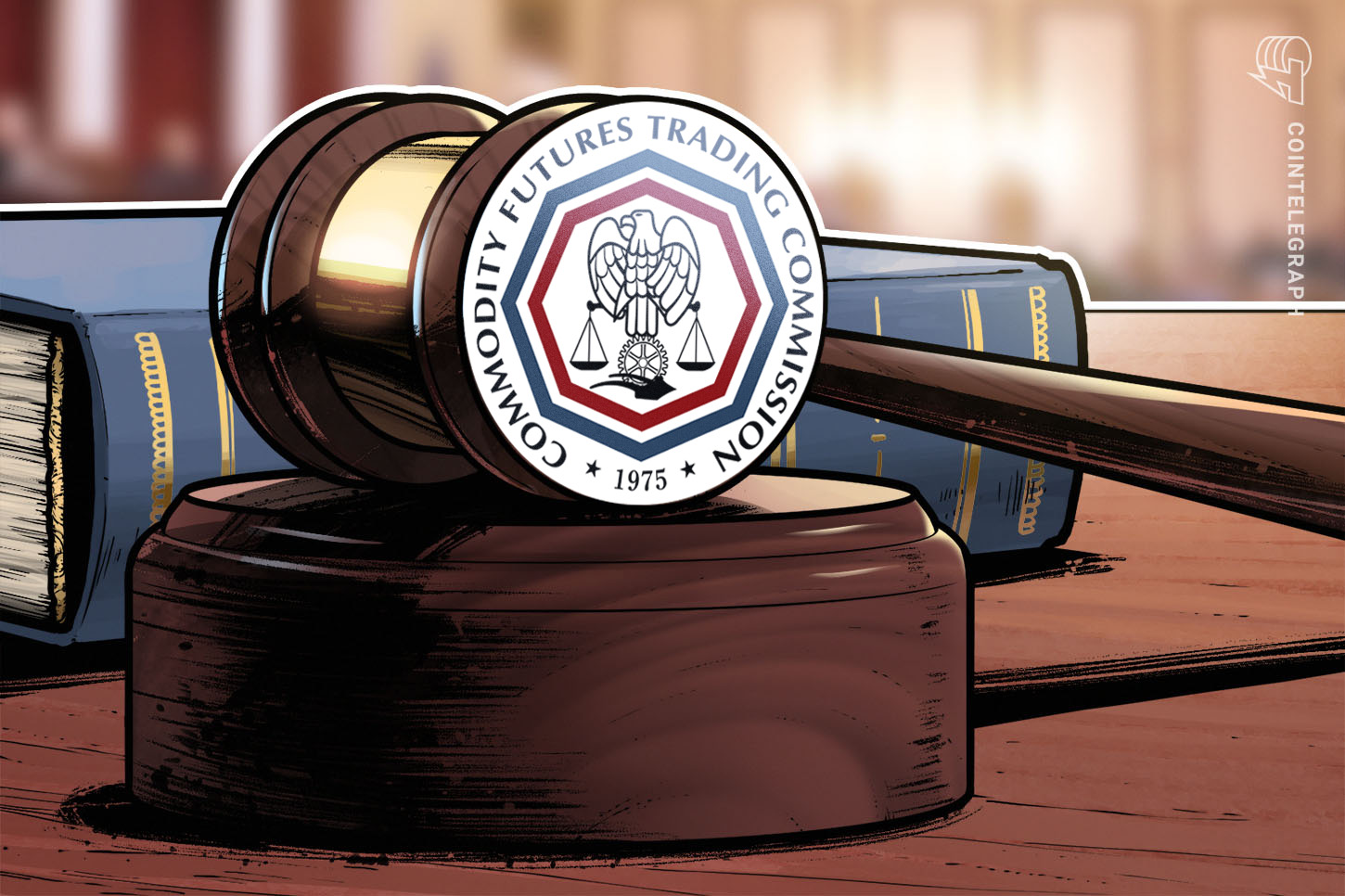
Phantom and the Hyperliquid Policy Center are officially pushing the CFTC to overhaul outdated regulatory frameworks that threaten the decentralized ecosystem. By responding to a formal request for information, these industry leaders are demanding that blockchain protocol developers and non-custodial wallet providers be exempted from rules built for centralized financial intermediaries.
This legal push aims to prevent developers from being forced into registration solely for creating onchain software and to ensure that regulated derivatives firms can safely utilize blockchain infrastructure. The core of the argument rests on the fundamental difference between custodial institutions and decentralized protocols, where users maintain direct control over their assets without a middleman.
The companies argued that existing CFTC regulations were designed for custodial financial intermediaries that hold customer assets and process trades, while onchain protocols allow users to transact directly without intermediaries controlling funds or executing orders.
This is a summarized and adapted version by Artificial Intelligence. To read the complete original story, visit the official source.
Read Full Article at CoinTelegraphSupport Jornal Bitcoin
Independent journalism, curated by AI, no clickbait. Keep the flame alive with any amount of BTC.
jonata@walletofsatoshi.comDaily Crypto Brief 📬
Subscribe to receive the curation of the most important Bitcoin and crypto news, summarized by AI. No spam.
Join more than 10,000 smart readers.
Related News

Vitalik’s Rollup Breakthrough: Why Cryptography is the Real Key to Ethereum Scaling
While casual investors often overlook dense technical updates, this focus on rollup proofs represents a fundamental shift in blockchain infrastructure. The long-term consequences of these cryptographic advancements could significantly lower gas fees and solidify Ethereum's position as the primary settlement layer for the global Web3 economy.

Robinhood Outpaces Hyperliquid in 24h DEX Volume: Driven by Memecoins and New Layer 2
This development highlights the profound impact that memecoins and Layer 2 technology have on the current decentralized finance (DeFi) landscape. As retail interest shifts toward high-velocity assets and scalable infrastructure, the competitive hierarchy of the DEX market is being fundamentally disrupted.
Solana's Priority Fee Shakeup: Why SIMD-0096 Matters for Validator Economics
Understanding this shift is vital for anyone tracking the long-term viability of the Solana ecosystem. By recalibrating the incentive structures, the network aims to stabilize transaction costs while ensuring that validators remain economically incentivized to provide robust security and high-speed processing capabilities.

AI Tooling War: OpenAI Build Week Set to Disrupt Crypto Development
As the competition for superior AI tools intensifies, the implications for the crypto space are massive, particularly regarding the enhancement of smart contract interactions. This convergence of artificial intelligence and decentralized technology is set to accelerate the development of more efficient, autonomous, and intelligent blockchain applications.

MakerDAO's Endgame: From Theoretical Ambition to Concrete Execution
This shift marks a critical turning point for the protocol's long-term roadmap. By focusing on concrete implementation rather than just conceptual frameworks, MakerDAO is positioning itself to solidify its governance structure and enhance its operational efficiency in an increasingly competitive market.

BlackRock's BUIDL Surpasses $500 Million: Tokenized Treasuries Are Gaining Massive Momentum
By bridging the gap between traditional finance and blockchain technology, the BUIDL fund is setting a new standard for liquidity and transparency. This surge in capital highlights the unstoppable momentum of Real World Assets (RWA) tokenization, proving that the migration of traditional assets onto the chain is no longer a question of 'if', but 'how fast'.
