Pep Guardiola Rejects Italy Job: Why Fan Token Markets are on High Alert
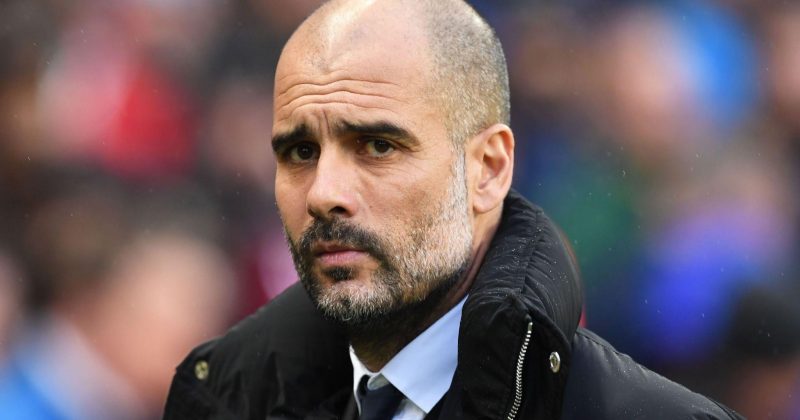
Legendary manager Pep Guardiola has officially turned down the opportunity to lead the Italian national team, citing family priorities and salary considerations. This unexpected shift in the footballing landscape is sending ripples through the digital asset space, catching the eye of crypto enthusiasts.
Fan token markets are watching closely, as the involvement of global football icons often dictates the hype and liquidity surrounding sports-based crypto assets. Guardiola's decision could shift the momentum for various fan tokens, making this a critical moment for investors tracking the intersection of sports and blockchain.
Pep Guardiola has turned down the role of Italy's national team manager, citing family priorities and salary disagreements as the deciding factors. While the football world reacts to the coaching vacancy, the crypto industry is finding a unique angle: the Fan Token market.
Market observers note that the presence or absence of high-profile football figures can significantly impact the engagement and trading volume of fan-based crypto assets. As the situation evolves, the connection between elite football management and the volatility of fan tokens remains a key area of interest for crypto-sport speculators.
This is a summarized and adapted version by Artificial Intelligence. To read the complete original story, visit the official source.
Read Full Article at Crypto BriefingSupport Jornal Bitcoin
Independent journalism, curated by AI, no clickbait. Keep the flame alive with any amount of BTC.
jonata@walletofsatoshi.comDaily Crypto Brief 📬
Subscribe to receive the curation of the most important Bitcoin and crypto news, summarized by AI. No spam.
Join more than 10,000 smart readers.
Related News
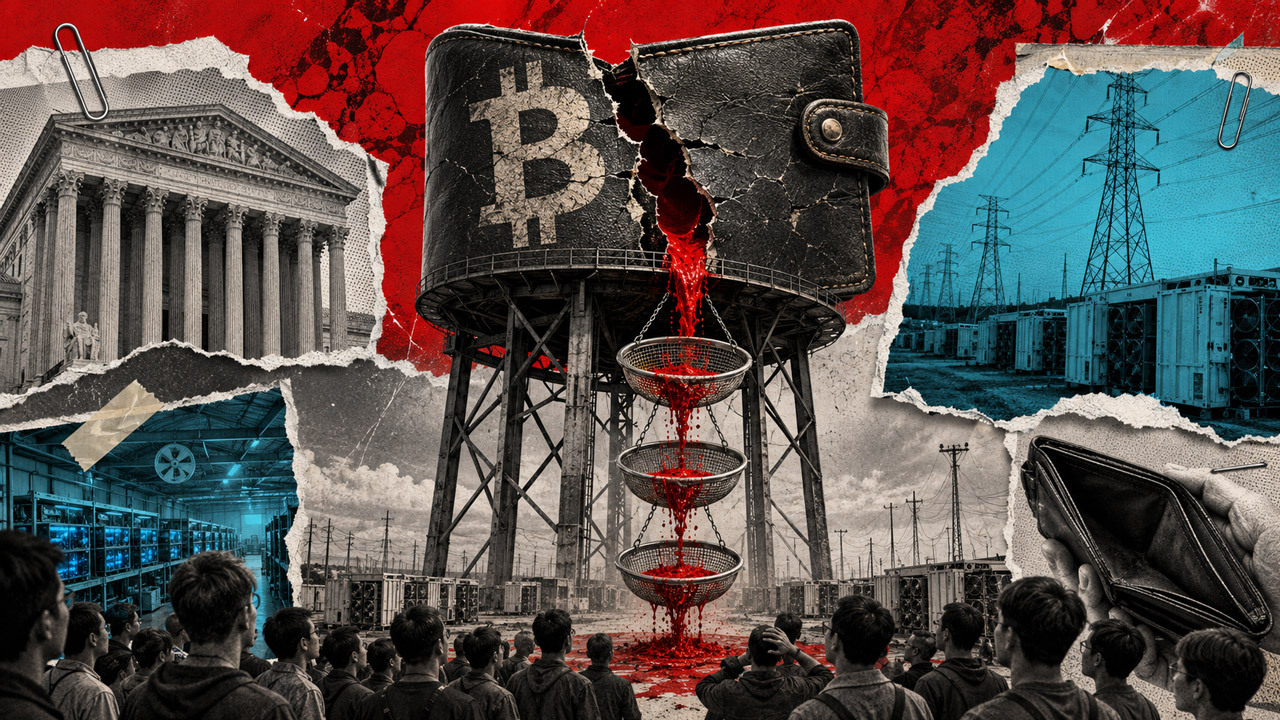
Mining Meltdown: Giant Poolin Files for Bankruptcy, Leaving 11,700 Users $164M in the Dark
This collapse highlights the severe risks within the mining sector, as current signed offers account for only 31.8% of wallet IOUs in gross arithmetic terms. Before any funds are distributed, the estate must navigate complex legal boundaries, liens, and substantial bankruptcy costs, likely diminishing the final recovery for creditors.

BTCC Shatters Records: 80,000 Participants Drive 22% Surge in Trading Volume
This surge in trading volume highlights the effectiveness of integrating global sporting events with crypto trading incentives. By leveraging massive participation, BTCC has strengthened its market presence and demonstrated how gamified trading competitions can drive unprecedented liquidity in the digital asset space.

Japan Inflation Warning: BOJ Likely to Maintain Low Rates as CPI Outlook Weakens
This cooling of inflation in Japan carries heavy implications for global liquidity and currency volatility. As the BOJ signals a continued period of monetary easing, the resulting yen carry trade environment could provide sustained tailwinds for risk assets, including the broader crypto market, by keeping borrowing costs low.

Bank Imposter Scam: Pennsylvania Senior Loses $44,000 in Irreversible Wire Transfer
This incident underscores the growing threat of banking impersonation scams and the extreme difficulty of recovering stolen funds once a wire transfer is completed. As financial criminals become more adept at psychological manipulation, maintaining high levels of vigilance regarding account security and transaction verification is paramount for all users.

Market Alert: Mixed Cardano (ADA) Signals and Critical Bitcoin (BTC) Price Warning
As traders closely monitor Bitcoin volatility, the technical outlook suggests that Ethereum (ETH) and the Cardano ecosystem are also at a decisive crossroads. Staying ahead of these indicators is vital for managing risk and understanding the broader impact of current price action on the global crypto landscape.
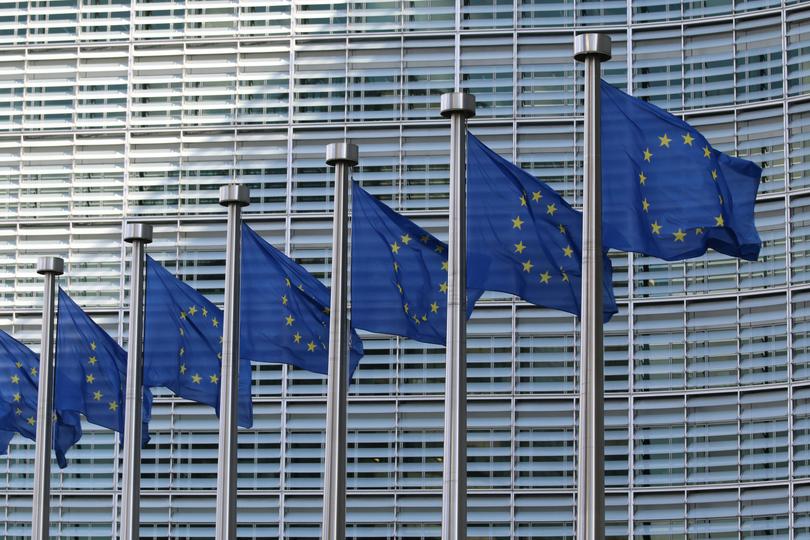
EU Escalates Crypto War: Massive 21st Sanctions Package Targets $120B Russian Crypto Network
In a groundbreaking move, the EU is considering a ban on third-country crypto service providers for the first time. By targeting 14 unnamed crypto companies, European regulators are setting a high-stakes precedent for how global crypto networks will be policed in the face of geopolitical conflict.
