PayPal’s PYUSD Hits Polygon: A Massive Leap for Compliant Global Payments

PayPal’s PYUSD stablecoin has officially landed on the Polygon network, integrating seamlessly with the platform's Open Money Stack. This deployment provides businesses with a streamlined pathway to move funds globally, leveraging built-in compliance and direct fiat access to bridge the gap between traditional finance and blockchain.
By removing the friction of managing multiple payment providers, this integration positions Polygon as a premier destination for institutional-grade liquidity. The expansion of PYUSD onto Polygon is set to accelerate the adoption of stablecoins for real-world commerce and cross-border settlements.
This is a summarized and adapted version by Artificial Intelligence. To read the complete original story, visit the official source.
Read Full Article at CryptoPotatoSupport Jornal Bitcoin
Independent journalism, curated by AI, no clickbait. Keep the flame alive with any amount of BTC.
jonata@walletofsatoshi.comDaily Crypto Brief 📬
Subscribe to receive the curation of the most important Bitcoin and crypto news, summarized by AI. No spam.
Join more than 10,000 smart readers.
Related News
The Death of Spot? Derivatives Now Dominate Crypto Price Discovery at 4.4x Spot Volume
This trend highlights the deepening influence of institutional strategies and the impact of evolving regulatory frameworks. As derivative volume continues to dwarf spot trading, the market's volatility and price formation are becoming increasingly tied to complex hedging and institutional speculation.
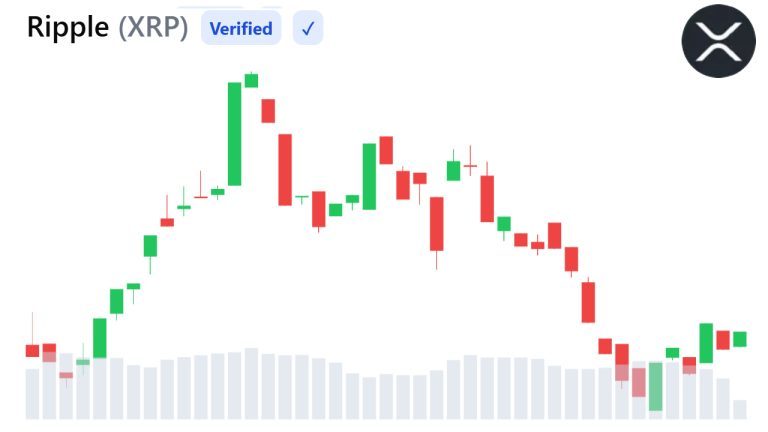
XRP Bearish Trend Deepens: Weak Liquidity and Falling Open Interest Signal Caution
According to recent Cryptoquant analyses, the combination of these factors points toward sustained selling pressure. As the bearish trend deepens, market participants must weigh whether this liquidity crunch is a precursor to a major price correction or a temporary period of consolidation.

Circle Brings Native EURC to Base, Signaling a Clearer Euro Stablecoin Path After MiCA
As MiCA provides clearer regulatory runway for euro stablecoins across Europe, moving EURC to Base can accelerate adoption and deepen trading access in faster, cheaper L2 environments. The bottom line: the market gets a more straightforward route to build, integrate, and use euro stablecoins with less compliance uncertainty—an important signal for EURC, stablecoin infrastructure, and EU regulation trends.
Ethena Disrupts DeFi: Free USDe Minting and Redemption via USDC Now Live
This development is more than just a cost-cutting measure; it represents a broader trend of DeFi protocols pivoting toward institutional-grade accessibility and regulatory compliance. By streamlining the interface with USDC, Ethena is laying the groundwork for massive institutional adoption and setting a new benchmark for how decentralized assets interact with regulated liquidity.

Beyond USDT: Tether Bets $25 Million on Telecom Infrastructure
This move signals a calculated attempt to reduce reliance on the USDT market by positioning the company as a global infrastructure player. By investing in physical networks, Tether is laying the groundwork for a deeper integration between digital assets and global connectivity, challenging the traditional perception of its role in the crypto ecosystem.

Telegram Evolution: MoonPay Integrates AI Crypto Agents for Frictionless Trading
While this integration of AI crypto agents could revolutionize digital finance, it is not without its hurdles. The long-term impact will hinge on how the company navigates complex regulatory uncertainties and platform dependencies, which remain critical factors for the widespread adoption of AI-driven crypto tools.
