Strategic Pivot: Ondo Finance Swaps Layer-1 Ambitions for Offchain Execution Network

Ondo Finance has executed a major strategic pivot, moving away from its previously announced institutional Layer-1 blockchain plan in favor of a specialized offchain execution network. The newly launched Ondo Network handles trades outside of public blockchains, utilizing secure computing environments known as 'enclaves' to streamline operations.
This shift represents a sophisticated evolution in the real-world asset (RWA) tokenization space. By leveraging Trusted Execution Environments (TEE), Ondo is already powering its perpetual futures platform, Ondo Perps, providing a high-performance infrastructure that bypasses the latency of traditional blockchain consensus while maintaining rigorous security through distributed operator oversight.
Unlike traditional blockchains that rely on numerous computers to process and verify the same activity, the Ondo Network runs its trading software inside a protected computing environment called 'enclaves,' also known as Trusted Execution Environments (TEE) in crypto terminology. To ensure security, a group of operators verifies that the software remains unaltered, with each operator holding a portion of the digital key required to authorize transfers.
This is a summarized and adapted version by Artificial Intelligence. To read the complete original story, visit the official source.
Read Full Article at CoinTelegraphSupport Jornal Bitcoin
Independent journalism, curated by AI, no clickbait. Keep the flame alive with any amount of BTC.
jonata@walletofsatoshi.comDaily Crypto Brief 📬
Subscribe to receive the curation of the most important Bitcoin and crypto news, summarized by AI. No spam.
Join more than 10,000 smart readers.
Related News
Canton Unleashes Decentralized App Layer Fueled by $1M+ Foundation Grant
This strategic injection of capital is designed to catalyze developer activity and accelerate the integration of institutional-grade applications. As the Canton dApp layer goes live, the industry watches closely to see how this enhanced scalability and interoperability will reshape the competitive landscape of the Web3 economy.

Regulatory Gridlock: Senate Delays Clarity Act as Circle Snaps Up IBM Blockchain Patents
Amidst this political hesitation, Circle is making a decisive strategic play by acquiring IBM blockchain patents. This acquisition underscores a massive shift toward intellectual property dominance, positioning Circle to lead the next wave of blockchain infrastructure and stablecoin innovation.

Bitcoin Crash: 3 Reasons Behind Today's 10-Day Low and the Road Ahead
Understanding the drivers behind this Bitcoin crash is essential for navigating the current volatility. As traders assess whether this is a healthy correction or a bearish reversal, the focus shifts to the macroeconomic factors and technical indicators that will dictate the next major move for BTC.
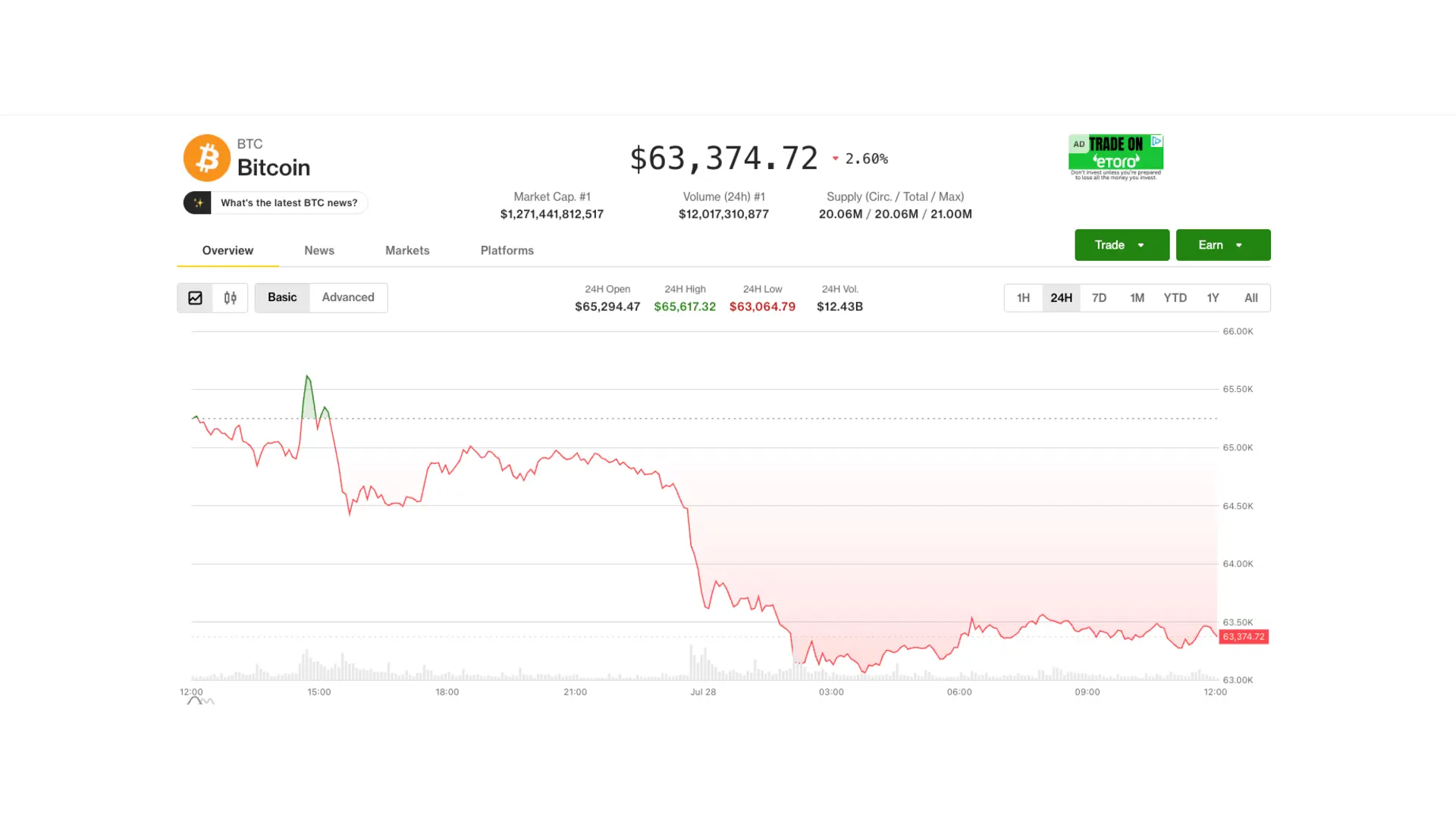
Bitcoin Plummets as South Korean Stocks Crash and U.S. Senate Shelves Crypto Clarity Act
This sudden volatility comes at a critical juncture as investors brace for a pivotal Fed decision this Wednesday. The convergence of Asian market turmoil and the legislative setback regarding the Clarity Act is heightening market anxiety and setting the stage for significant Bitcoin price action.

STF Ruling: Minister Flávio Dino Upholds Crypto Freeze and Denies Access to Investigation
This legal precedent underscores the judiciary's power to control digital assets during criminal investigations. By maintaining the crypto freeze and restricting access to the case files, the court is setting a high bar for defense strategies involving decentralized assets and digital wealth within the Brazilian legal framework.
Sen. Jon Husted Backs the CLARITY Act—But the Odds of Passage in 2026 Slip to 30%
Husted’s support adds to the chorus of Senate backers, but the political runway is narrowing. With the CLARITY Act’s future uncertain, the broader push for clear cryptocurrency regulation, market rules, and a more predictable framework for digital asset oversight continues to hinge on timing, negotiations, and legislative momentum—factors that will shape the sector’s expectations well beyond 2026.
