Oklo reports $1.21M Q2 revenue as net losses skyrocket to $48.5M
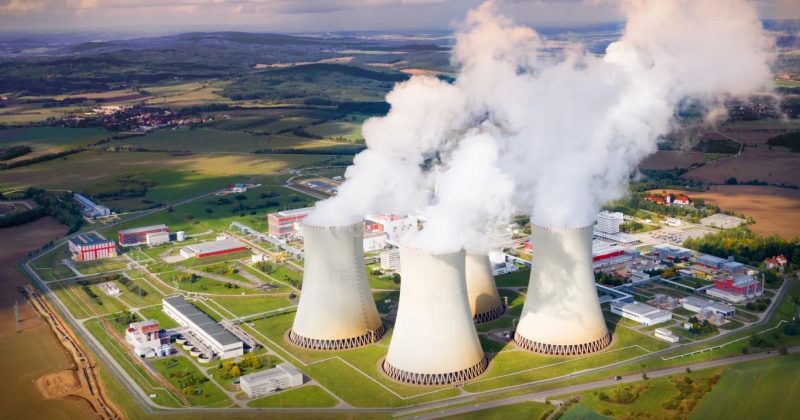
Oklo, advanced nuclear technology company, reported just $1.21 million in revenue for Q2 2026, while its net losses skyrocketed to a staggering $48.5 million, highlighting the stark financial disparity between revenue and operational costs in the emerging nuclear energy sector. This news comes amid a global energy market expansion where advanced nuclear technology is seeking its footing. The high loss figures indicate the significant financial challenges faced by innovative companies in the nuclear industry as they attempt to scale operations and compete with established energy sources.
This is a summarized and adapted version by Artificial Intelligence. To read the complete original story, visit the official source.
Read Full Article at Crypto BriefingSupport Jornal Bitcoin
Independent journalism, curated by AI, no clickbait. Keep the flame alive with any amount of BTC.
jonata@walletofsatoshi.comDaily Crypto Brief 📬
Subscribe to receive the curation of the most important Bitcoin and crypto news, summarized by AI. No spam.
Join more than 10,000 smart readers.
Related News

Sequoia Leads $1B Nuclear Power Bet to Fuel AI's Energy Demands
The move reflects a significant strategic shift in the crypto and tech sectors, where energy consumption from data centers and AI operations is becoming a critical bottleneck. With the exponential growth in AI usage and cryptocurrency mining, nuclear energy is emerging as a viable and scalable alternative to intermittent renewable sources. This funding not only accelerates the development of next-generation nuclear reactors but also sets a precedent for future investments in high-density energy infrastructure.

Brent Oil Drops 1%: EV Adoption and Impending Surplus Threaten Energy Markets
This decline serves as a critical indicator of the broader energy transition, where the rise of electric vehicles directly challenges long-term fossil fuel demand. As the market faces a potential surplus, the interplay between decarbonization efforts and supply chain stability will become a primary driver for global economic volatility.
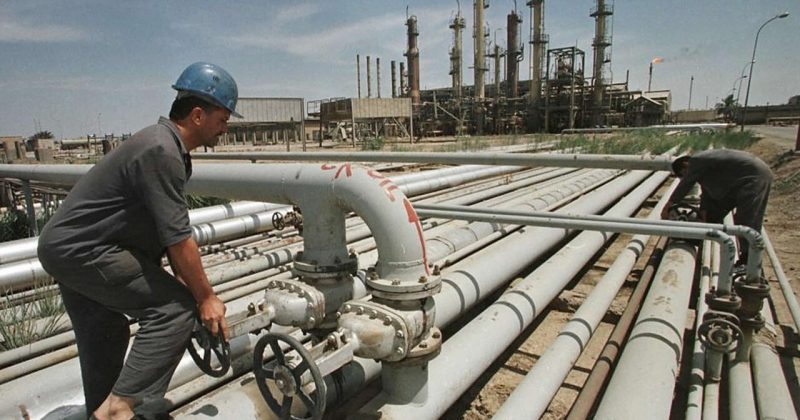
Oil Geopolitics Shift: Iraq and Syria Strike Deal to Bypass Strait of Hormuz
By establishing this corridor, Iraq aims to significantly reduce its reliance on the Strait of Hormuz, a major global choke point. This shift in energy logistics not only enhances Iraq's export security but also introduces a new variable in the geopolitical stability of the Middle East and global energy markets.
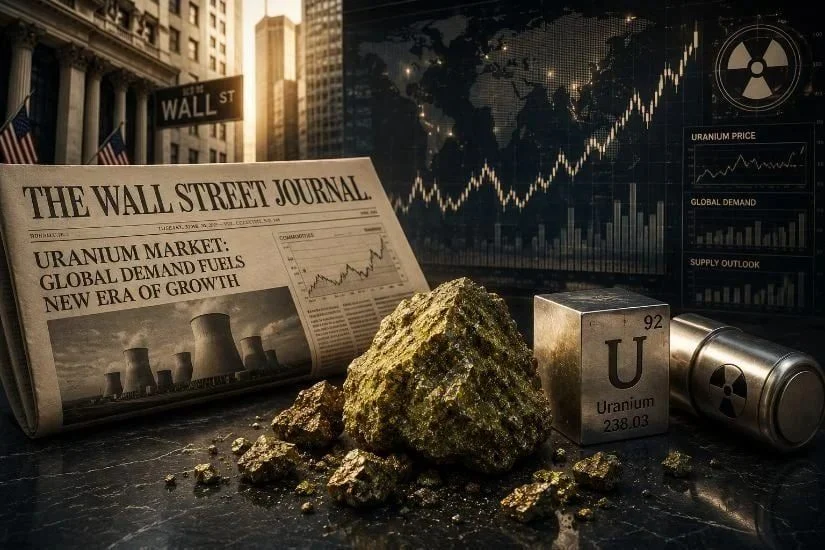
Uranium Stabilizes Near $86 as Cameco Signals Potential Early Reversal
With Cameco signaling an early reversal, the market is bracing for a shift in momentum. The current uranium price stability is a key indicator for whether the sector can break out of its recent consolidation and challenge the previous highs seen when prices surged past $100.
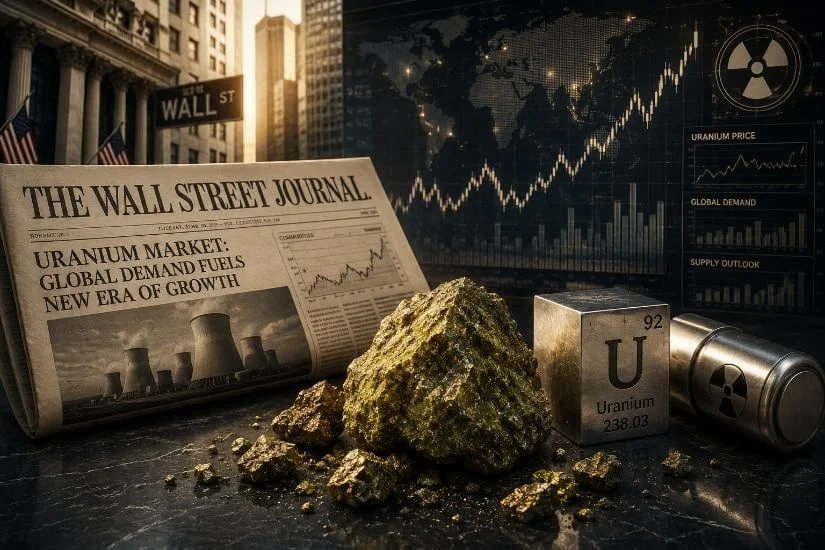
Uranium Surge: SPUT Breakout and ETF Consolidation Signal Major Shift
Key uranium ETFs are currently navigating critical support levels, entering a vital consolidation phase. The ability of these funds to hold these levels will be the ultimate litmus test for the sector's next leg up, potentially triggering a massive influx of capital into uranium-linked securities.
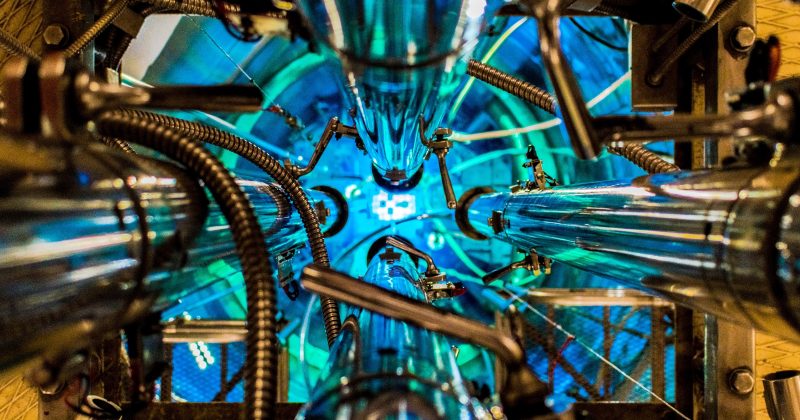
Trillion-Dollar Stakes: Trump Administration Pledges $17.5B in Nuclear Loans to Fuel AI Boom
This policy shift is poised to reshape the energy landscape, establishing nuclear power as the backbone of the AI revolution. The consequences will be felt across the tech industry, as stable power becomes the most valuable commodity in the global race for computational dominance.
