Oil Price Crash Imminent? Bloomberg Forecasts Decline Amid Supply Surge
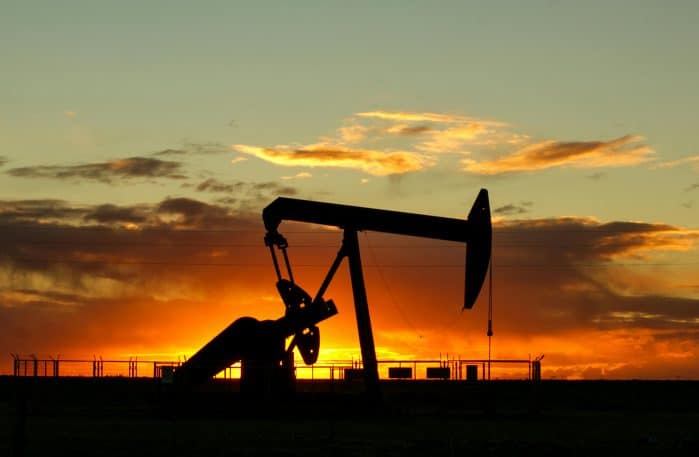
Bloomberg reports a significant shift in the energy landscape, forecasting a decline in oil prices driven by rising global supply and softening demand. This downward trend is expected to act as a vital tool in easing global inflationary pressures, potentially providing much-needed breathing room for central banks and international markets.
As the balance between supply and demand shifts, the impact on energy markets could be profound, potentially stabilizing global economic growth. Investors should closely watch these developments, as lower energy costs often signal a shift in macroeconomic stability and influence the broader movement of global financial assets.
The interplay between increased production and cooling demand is creating a new outlook for the commodities market. Analysts suggest that if these trends persist, the resulting decrease in energy costs could serve as a stabilizer for the global economy, mitigating the risks associated with high inflation and volatile energy prices.
This is a summarized and adapted version by Artificial Intelligence. To read the complete original story, visit the official source.
Read Full Article at Crypto BriefingSupport Jornal Bitcoin
Independent journalism, curated by AI, no clickbait. Keep the flame alive with any amount of BTC.
jonata@walletofsatoshi.comDaily Crypto Brief 📬
Subscribe to receive the curation of the most important Bitcoin and crypto news, summarized by AI. No spam.
Join more than 10,000 smart readers.
Related News
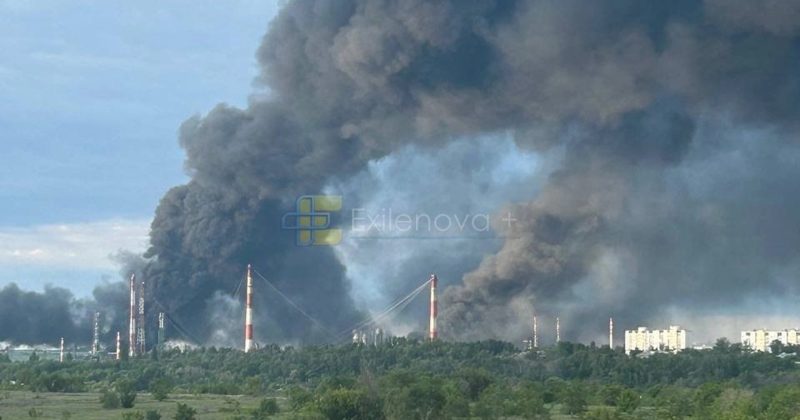
Ukraine Strikes Rosneft Refinery: Global Energy Markets and Investor Risk on High Alert
Beyond the immediate battlefield impact, these strikes are poised to disrupt global energy markets and heighten investor risk. As logistical challenges mount, the resulting volatility could trigger broader shifts in market sentiment, forcing a reassessment of risk management strategies across both traditional and digital asset classes.
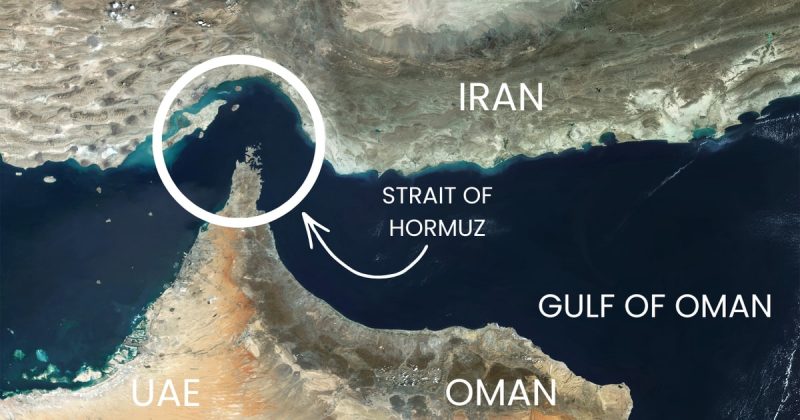
Global Alert: Iran Warns US as Strait of Hormuz Conflict Looms for 2026
Beyond diplomatic fallout, this escalation poses a massive threat to global energy markets. The potential for widespread destabilization could trigger significant volatility in energy prices and broader financial markets, making this a key development for those tracking geopolitical risks and macro-economic shifts.

Middle East Crisis: Iran Strikes Qatar and UAE Amid Rising US-Israeli Tensions
Beyond the immediate military threat, these strikes complicate ongoing US-Iran diplomatic efforts and pose a significant risk to global economic stability. The potential for widespread disruption in energy markets could trigger massive volatility across both traditional commodities and the broader financial landscape.
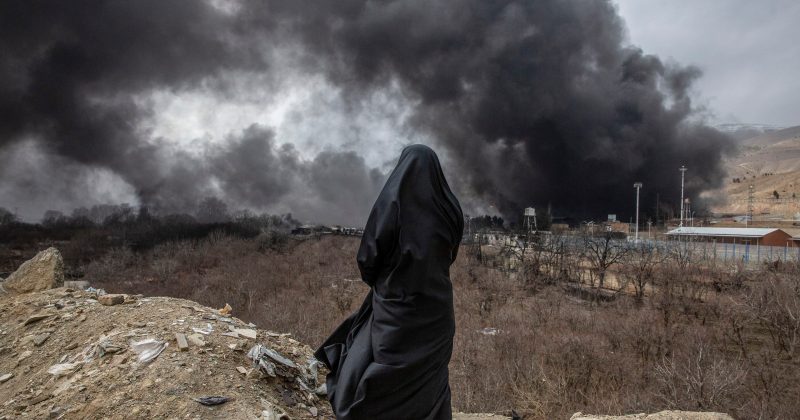
Middle East Crisis: Iran Strikes US Positions, Triggering Global Instability Fears
Beyond the immediate military confrontation, the fallout could include widespread airspace closures and massive disruptions to global markets. As diplomatic relations fracture, the ripple effects on international trade and market volatility are expected to be significant and immediate.
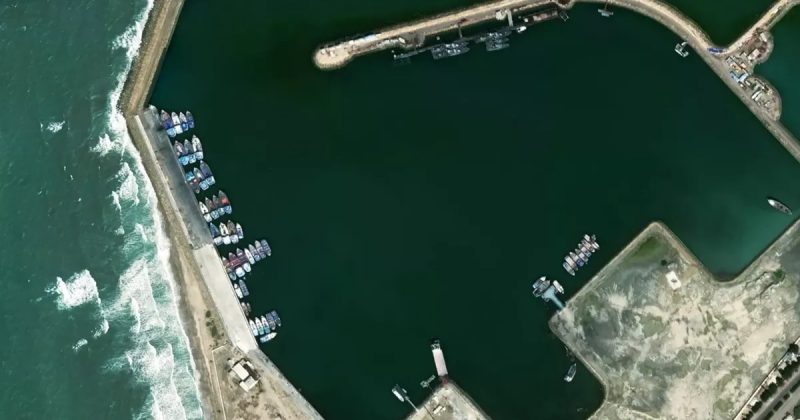
Middle East Chaos: Iran Attacks Cargo Ship Amid Explosions, Fueling US-Iran Tensions
This escalation threatens to destabilize global shipping and energy markets, potentially triggering massive shifts in geopolitical strategies. As the situation evolves, market predictions are being recalibrated to account for the profound impact this conflict may have on global economic stability and energy security.
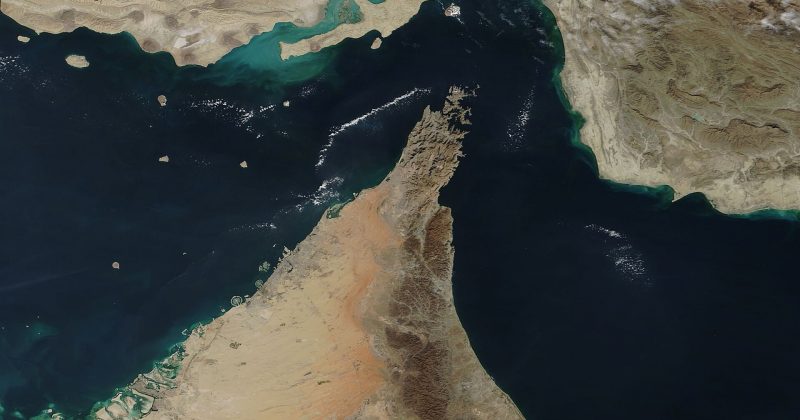
Hormuz Strait Crisis: Iran's Warning Shot Rattles Oil and Crypto Markets
This crisis underscores the growing utility of digital assets as a hedge against traditional systemic failures. As global trade dynamics shift due to the blockade, the ability of the crypto ecosystem to bypass traditional financial systems becomes a vital component for navigating international economic instability.
