Stripe and Advent's $53 Billion Bid for PayPal: A Game Changer for Crypto Payments

Stripe and Advent International have launched a massive $53 billion bid to acquire PayPal, marking a 28% premium over Tuesday's closing price. This strategic move signals an unprecedented consolidation in the fintech sector, aiming to unite industry titans and reshape global capital flows.
The implications for the digital asset ecosystem are profound, as the deal would merge two of the most aggressive players in the stablecoin space. This integration is poised to accelerate the adoption of crypto payments and redefine the global financial liquidity infrastructure through cutting-edge technology.
Payments processor Stripe and private equity firm Advent International have offered to buy PayPal for more than $53 billion, representing a 28% premium to Tuesday’s close. As reported by Reuters, the deal would unite two of the most aggressive stablecoin players in the fintech industry.
If the acquisition is finalized, it would represent a paradigm shift in digital money movement. By combining PayPal's massive payment infrastructure with Stripe's technological agility, the resulting conglomerate would be uniquely positioned to lead the transition toward a crypto-asset-based economy and stablecoin-driven commerce.
This is a summarized and adapted version by Artificial Intelligence. To read the complete original story, visit the official source.
Read Full Article at Bitcoin.comSupport Jornal Bitcoin
Independent journalism, curated by AI, no clickbait. Keep the flame alive with any amount of BTC.
jonata@walletofsatoshi.comDaily Crypto Brief 📬
Subscribe to receive the curation of the most important Bitcoin and crypto news, summarized by AI. No spam.
Join more than 10,000 smart readers.
Related News
Crypto Standoff: Middle East Tensions Neutralize U.S. Inflation Boost
This geopolitical friction acts as a direct counterforce to the positive macroeconomic signals coming out of Washington. As investors weigh the impact of cooling inflation against the risks of Middle East instability, the immediate trajectory for Bitcoin remains highly sensitive to international developments.

Japan Crypto Overhaul: Digital Assets Officially Reclassified as Financial Instruments
By moving away from the Payment Services Act (PSA) framework, Japan is transitioning digital assets from mere payment instruments to sophisticated financial tools. This regulatory evolution aims to strengthen user protections and impose tougher penalties, effectively bridging the gap between the cryptocurrency market and traditional finance.
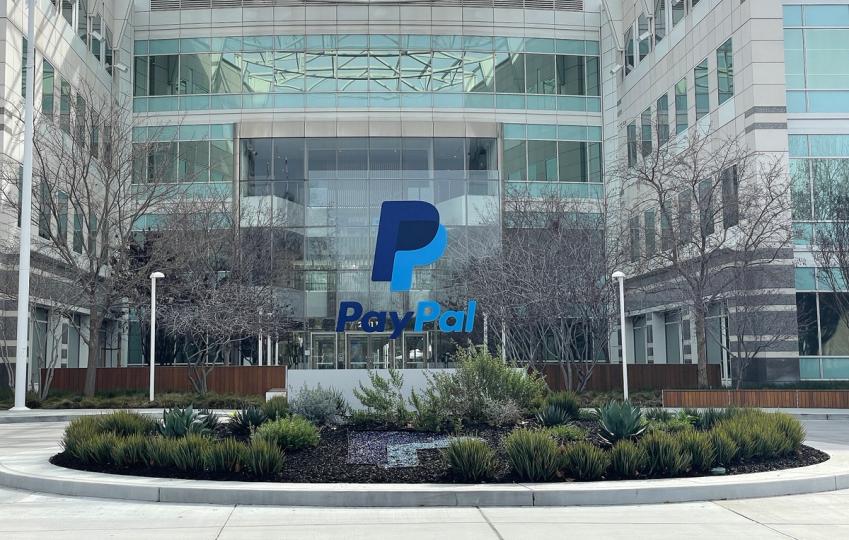
Stripe's $53 Billion Power Move: A Blockbuster Bid to Acquire PayPal
While the scale of the offer is unprecedented, PayPal has remained hesitant to engage with the proposal thus far. The outcome of these negotiations will determine whether a new titan of the payment processing industry emerges, potentially altering the competitive dynamics of the entire financial technology sector.
Middle East Chaos: Odds of Iran Regime Collapse Dip to 9.5% on Polymarket
The geopolitical landscape has intensified following reports that Iran struck Kuwait, Bahrain, and Jordan, claiming to have destroyed the US Fifth Fleet’s command center after talks collapsed. This heightened tension keeps crypto markets and prediction platforms on high alert as investors weigh the impact of regional conflict on global stability and Bitcoin volatility.

HBAR Price Alert: Short Squeeze or Final Flush? The 7-Day Outlook
Analysts suggest a 60% probability of a bounce toward the $0.075–$0.08 range within the next 7 days. However, the HBAR price prediction remains volatile; a failure to hold this level could trigger a final flush, making this a critical window for crypto traders to watch.
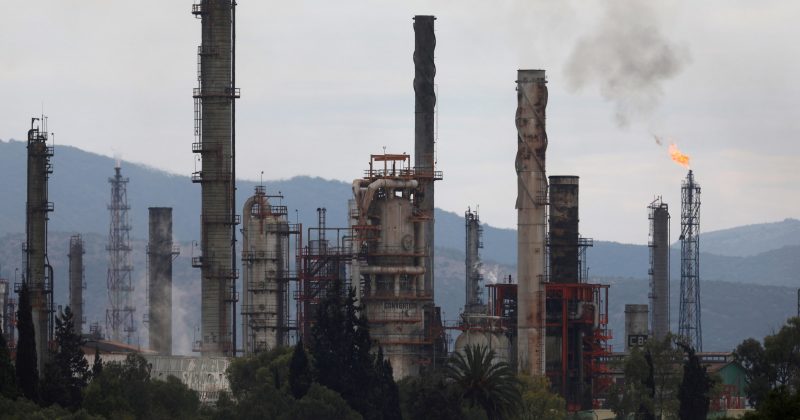
Energy War Shift: Japan Swaps Iranian Oil for Mexican Crude Amid Global Tensions
This disruption is expected to trigger significant volatility across multiple asset classes, impacting global inflation rates and currency stability. Furthermore, the ripple effects are poised to influence crypto markets, as investors react to the shifting macroeconomic landscape and the search for hedges against energy-driven economic shocks.
