Washington's Ultimatum: How the Clarity Act Could Decide the Future of Crypto
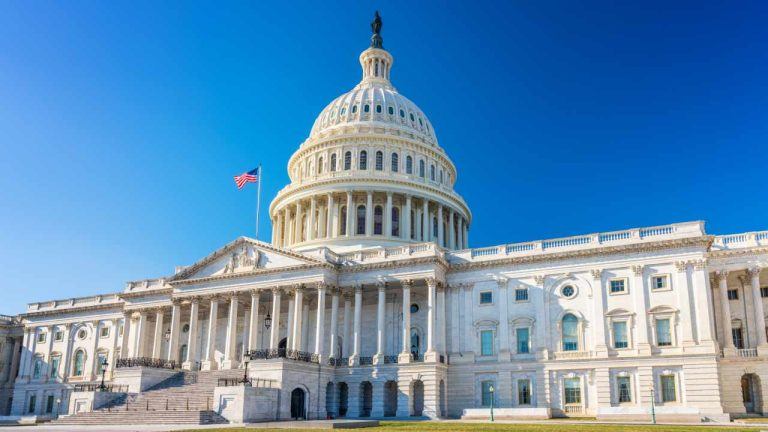
The U.S. Congress is approaching a historic crossroads with the introduction of the Clarity Act, a legislative move designed to establish a definitive federal framework for digital asset markets. By pairing essential consumer protections with much-needed regulatory certainty, this bill aims to resolve the ongoing legal ambiguity surrounding the crypto industry.
The stakes for this legislation are unprecedented, as it could either catalyze massive U.S. crypto innovation or stifle it through over-regulation. As lawmakers debate the fine print, the global impact of the Clarity Act looms large, potentially setting the standard for how digital assets are governed worldwide.
This is a summarized and adapted version by Artificial Intelligence. To read the complete original story, visit the official source.
Read Full Article at Bitcoin.comSupport Jornal Bitcoin
Independent journalism, curated by AI, no clickbait. Keep the flame alive with any amount of BTC.
jonata@walletofsatoshi.comDaily Crypto Brief 📬
Subscribe to receive the curation of the most important Bitcoin and crypto news, summarized by AI. No spam.
Join more than 10,000 smart readers.
Related News

USDT Hypergrowth: Tether CEO Reports 30 Million New Wallets Every Quarter
Emerging markets are the primary catalysts driving this stablecoin revolution, as users seek reliable digital assets to navigate local economic volatility. As the network expands, Tether's dominance continues to solidify, bridging the gap between traditional finance and the decentralized future.

Gulf Tensions Explode: Child Injured in Qatar Amid Iranian Missile Interception as Global Risk Surges
As geopolitical tensions rise, the implications for the crypto market are profound. Investors are closely watching how this Middle East instability will drive market sentiment, potentially triggering massive shifts in liquidity and influencing the role of Bitcoin as a hedge against global unrest.

Digital Oil: USDT Trading Volume in Venezuela Now Rivals Crude Exports
The increasing reliance on Tether allows the sanctioned petrostate to settle crude sales through digital assets, effectively bypassing traditional financial bottlenecks. This evolution underscores the growing role of USDT in global commodity trade and its capacity to function as a workaround in geopolitically constrained markets.
Iran Denies Trump’s Claims of American Prisoner Exchange Amid Nuclear Deal Speculation
Adding to the complexity, market indicators suggest a potential final nuclear deal could be reached by August 13, 2026, though currently priced at a low 1.6% probability. Investors should monitor these diplomatic shifts closely as they influence broader macroeconomic stability and risk appetite.
Tehran Billboard Targets Trump: Escalating US-Iran Tensions Reach New Boiling Point
As diplomatic channels remain strained, speculation regarding a potential 2026 US-Iran deal—potentially involving a 26.5% reconstruction funding model—adds a layer of long-term complexity. Investors are closely monitoring these developments, as heightened geopolitical risk often drives capital toward decentralized assets during periods of international unrest.

Peter Schiff Warns MSTR Shareholders: Infinite Dilution Threatens Bitcoin Leverage Strategy
This capital structure shift places MSTR in a high-stakes confrontation with market dynamics. While a massive Bitcoin recovery could potentially salvage the stock's appeal, the ongoing cycle of equity issuance poses a significant risk of 'infinite dilution,' forcing investors to weigh the benefits of institutional leverage against the erosion of their individual holdings.
