What are Perps? Everything You Need to Know About Crypto's Hottest Trading Tool
Perpetual futures, commonly referred to as 'perps', have emerged as the most dominant trading instrument in the crypto landscape. Since their inception on BitMEX in 2015, these derivatives have redefined how traders approach leverage and market exposure.
As the industry matures, understanding the mechanics of perps becomes vital for managing risk in highly volatile markets. This deep dive examines how perpetual contracts drive massive trading volumes and influence the broader crypto economy through unique funding rate mechanisms.
Perpetual futures, or 'perps', have become one of the most widely traded financial products globally. Originally launched on BitMEX in 2015, they have moved from the fringes of the crypto market to the very center of institutional and retail trading activity. The defining characteristic of a perp is the absence of an expiration date, allowing traders to hold long or short positions indefinitely, provided they account for the continuous funding rate adjustments.
This is a summarized and adapted version by Artificial Intelligence. To read the complete original story, visit the official source.
Read Full Article at CoinDeskSupport Jornal Bitcoin
Independent journalism, curated by AI, no clickbait. Keep the flame alive with any amount of BTC.
jonata@walletofsatoshi.comDaily Crypto Brief 📬
Subscribe to receive the curation of the most important Bitcoin and crypto news, summarized by AI. No spam.
Join more than 10,000 smart readers.
Related News

Market Alert: BitMart Becomes the Latest Crypto Exchange to Shut Down
This shutdown follows closely on the heels of BitMEX, the prominent perpetuals exchange, also ending its activities. The rapid succession of these closures highlights a concerning trend within the crypto exchange industry and underscores the growing volatility affecting trading platforms worldwide.

Exchange Exodus? BitMart Shuts Down Following BitMEX Collapse
This shutdown follows closely on the heels of the BitMEX closure, marking a concerning trend for centralized exchanges. As more players exit the stage, the impact on market liquidity and the broader crypto ecosystem remains a critical point of concern for traders worldwide.
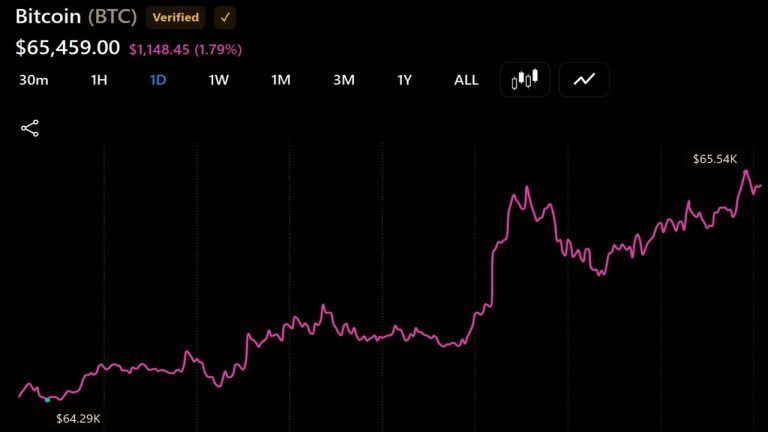
Bitcoin Reclaims $65,500 Amid Massive US Liquidity Surge and Volatility Warning
This divergence is particularly striking as broader U.S. liquidity has surged to a massive $5.92 trillion. Experts suggest this mismatch indicates a leverage flush rather than a fundamental shift in investor conviction, signaling that the market is undergoing a technical cleansing amidst record-breaking liquidity levels.

Regulatory Chaos: Clarity Act Fails to Gain Momentum as BitMEX Faces Shutdown
Adding to the volatility, the BitMEX exchange is reportedly facing a shutdown as legal pressures mount. This marks a significant turning point in market structure, as the crypto sector undergoes rapid consolidation into just five major players, fundamentally altering the competitive landscape for traders and institutions alike.

The Multi-Trillion-Dollar Engine Behind 90% of Crypto Trading Hits the US—and CME is Fighting Back
This massive shift has triggered an immediate legal offensive from the CME Group, which is seeking to crush this new competition. As the battle unfolds, the outcome will dictate whether these high-leverage crypto derivatives will democratize access to professional-grade trading tools or remain locked behind the walls of traditional institutional exchanges.

Crypto Domino Effect: Major Exchange Shuts Down as Native Token Crashes 60%
Following the precedent set by BitMEX, this collapse highlights the growing fragility within centralized exchanges and the inherent risks of utility tokens. Market analysts are now evaluating the broader implications for exchange solvency and the potential for further contagion across the digital asset landscape.
