Medical Robotics Revolution: NVIDIA Releases Open-Source GPU-Native Simulator
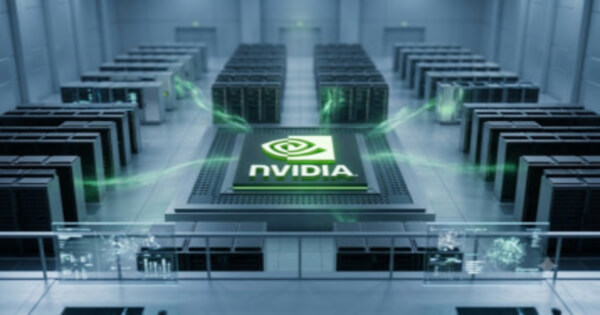
NVIDIA has officially disrupted the healthcare technology landscape by releasing its GPU-native Medical Physics Simulation as open source. This breakthrough provides scalable training capabilities for surgical AI, enabling the creation of hyper-realistic digital twins for medical robotics development.
By making this high-performance simulation tool accessible, NVIDIA is catalyzing a new era of innovation in healthcare robotics and artificial intelligence. The move is expected to significantly lower the barrier to entry for surgical tech startups, driving faster deployment of AI-driven medical devices and enhancing precision in robotic-assisted surgeries.
By transitioning this technology to an open-source model, NVIDIA is empowering researchers and developers to push the boundaries of what is possible in robotic surgery, leveraging the immense power of GPU acceleration to ensure unprecedented accuracy and safety.
This is a summarized and adapted version by Artificial Intelligence. To read the complete original story, visit the official source.
Read Full Article at Blockchain.newsSupport Jornal Bitcoin
Independent journalism, curated by AI, no clickbait. Keep the flame alive with any amount of BTC.
jonata@walletofsatoshi.comDaily Crypto Brief 📬
Subscribe to receive the curation of the most important Bitcoin and crypto news, summarized by AI. No spam.
Join more than 10,000 smart readers.
Related News

The AI-Blockchain Nexus: The Graph Takes Center Stage at ETHGlobal Lisbon 2026
Through the allocation of $15,000 in prizes to 10 groundbreaking projects, the event showcased how decentralized data retrieval is fueling intelligent smart contracts. This surge in developer interest suggests that the integration of AI and blockchain is moving from theoretical concepts to scalable, data-driven reality.
Seagate Crushes Earnings Expectations, Fueling the AI Infrastructure Gold Rush
This momentum is expected to bolster overall tech sector confidence, creating a ripple effect that could influence digital asset markets. As the AI revolution accelerates, the reliance on massive data storage becomes a primary driver for both traditional tech stocks and the broader digital economy.

Visa Goes Offensive: Anthropic’s Claude Mythos Deployed to Hunt Network Vulnerabilities
This move signals a major shift toward continuous adaptation in the fight against cybercrime. By leveraging cutting-edge AI for vulnerability detection, Visa is not just defending its perimeter but actively evolving its security posture to stay ahead of increasingly sophisticated global threats.
Apple Overtakes Nvidia: A Strategic Masterstroke or a Market Illusion?
As the industry watches the race to the end of July, the implications for tech valuations are profound. This divergence in strategy—Nvidia’s hardware dominance versus Apple’s capital efficiency—could fundamentally alter how investors perceive the long-term profitability of the artificial intelligence revolution.

Visa Unveils Massive Stablecoin Strategy to Revolutionize Global Payments
Backed by a massive $11.6 billion quarterly revenue, Visa's expansion into the OpenStandard consortium signals a major shift toward onchain settlement. By providing wallet-as-a-service infrastructure and seamless fiat-to-stablecoin bridges, Visa is positioning itself as a critical backbone for the next generation of global financial transactions.
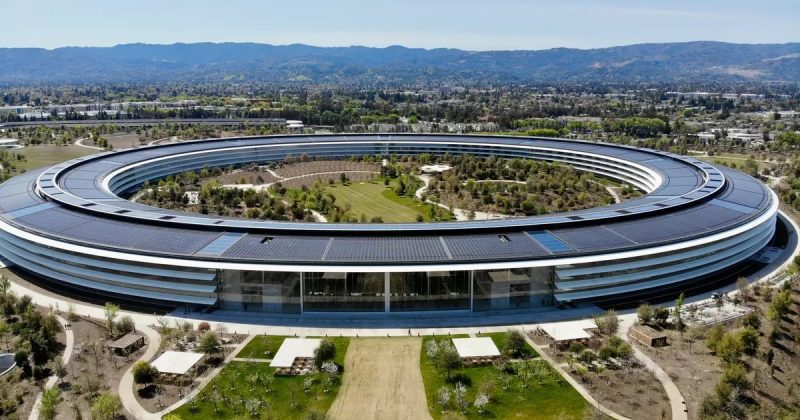
Market Shakeup: Apple Overtakes Nvidia as the World's Most Valuable Company
This leadership change is expected to reshape future tech investment strategies and influence global valuations. As the market reacts to this transition, the tension between AI-driven growth and ecosystem stability remains the central theme for institutional capital.
