NVIDIA Breakthrough: CUDA Kernel Fusion Boosts AI and LLM Performance by 3x
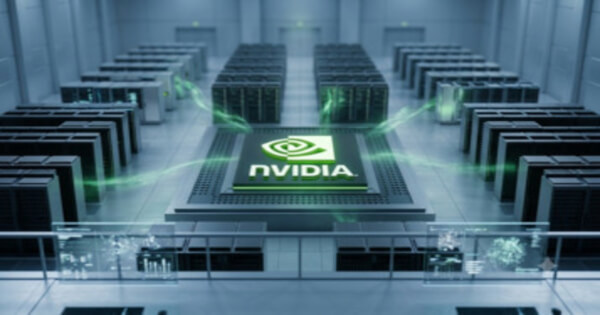
NVIDIA is redefining GPU efficiency with its latest CUDA kernel fusion breakthrough, a move designed to slash memory traffic and kernel launch overhead. This optimization delivers a massive performance boost of up to 3x for AI and High-Performance Computing (HPC) workloads, setting a new benchmark for hardware utilization.
As the industry shifts toward more complex architectures, this technology becomes a cornerstone for training Large Language Models (LLMs) and Mixture-of-Experts (MoE) systems. By streamlining how data moves through the GPU, NVIDIA is directly addressing the computational bottlenecks that currently limit the scale of generative AI development.
NVIDIA has unveiled a major leap in GPU efficiency through CUDA kernel fusion, a technique specifically engineered to optimize AI and HPC workloads. By merging multiple kernels into a single operation, the technology significantly reduces memory traffic and kernel launch overhead, resulting in performance gains of up to 3x.
This advancement is a game-changer for the training of Large Language Models (LLMs) and Mixture-of-Experts (MoE) architectures, which are notoriously resource-intensive. By minimizing the latency and data movement bottlenecks, NVIDIA is providing the essential infrastructure required to scale the next generation of massive-scale artificial intelligence models.
This is a summarized and adapted version by Artificial Intelligence. To read the complete original story, visit the official source.
Read Full Article at Blockchain.newsSupport Jornal Bitcoin
Independent journalism, curated by AI, no clickbait. Keep the flame alive with any amount of BTC.
jonata@walletofsatoshi.comDaily Crypto Brief 📬
Subscribe to receive the curation of the most important Bitcoin and crypto news, summarized by AI. No spam.
Join more than 10,000 smart readers.
Related News
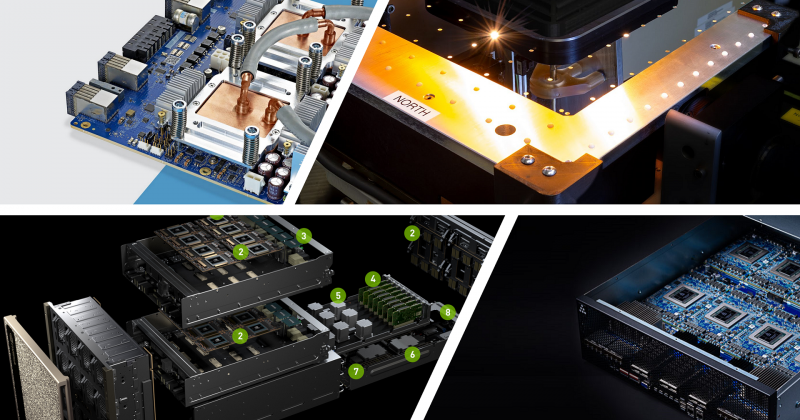
US Eases Export Rules for UAE: Unlocking the Floodgates for AI Chip Sales
While the move is designed to deepen US-UAE strategic ties, it has simultaneously triggered intense debate regarding technology diversion risks. Experts are closely monitoring whether this hardware influx will bolster regional innovation or inadvertently fuel global security concerns through the unauthorized transfer of sensitive tech.

Beyond Human Speed: How AI Contract Review Software is Redefining Legal Workflows
This shift toward legal automation allows legal teams to reclaim countless hours, shifting their focus from tedious administrative tasks to high-value strategic counsel. As the industry evolves, prioritizing the right AI features will be the deciding factor in achieving true operational excellence and scalability.

Tech War Unleashed: Apple Sues OpenAI Over Misappropriation of Trade Secrets
This legal confrontation highlights the inherent fragility of Big Tech alliances within rapidly evolving tech landscapes. As these partnerships unravel, the consequences for global innovation dynamics and the future of intellectual property protection in the AI era remain uncertain and highly impactful.

AI Agents vs. Ethereum Code: The Ethereum Foundation's Experiment Reveals Surprising Results
Despite the breakthrough, the experiment was plagued by a flood of convincing false positives that required human experts to untangle. This outcome underscores a vital lesson for the industry: while AI is a potent tool for enhancing Ethereum security, human intelligence remains essential to filter out algorithmic misdiagnoses and ensure protocol integrity.

Trading Revolution: Robinhood to Enable US Users to Trade Crypto via AI Agents
The rollout of these AI-driven tools is expected to significantly boost market participation and heighten competition among major trading platforms. By integrating autonomous agents, Robinhood is not just simplifying trade execution but is fundamentally redefining the investment experience, setting a new benchmark for automation in the crypto industry.
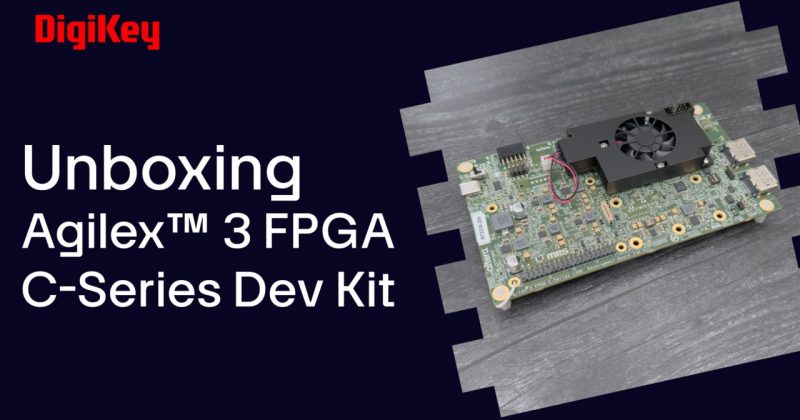
Altera's Comeback: How AI and Robotics are Fueling the Programmable Chip Surge
This recovery is poised to reshape the broader investment landscape for tech-driven assets. As artificial intelligence continues to integrate into physical systems, the strategic importance of programmable chips will likely become a cornerstone for future technological dominance and market stability.
