Tech Warfare: Nvidia Slashes Asia Buyer List as China Cracks Down on Chips
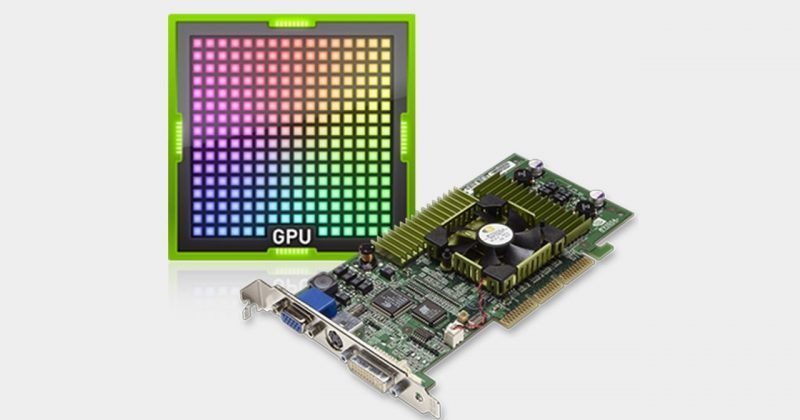
Nvidia is significantly scaling back its buyer list across Asia, a strategic pivot triggered by China's intensifying crackdown on the semiconductor industry. This move highlights the escalating geopolitical tensions that are directly impacting the global supply chain for high-end AI chips.
This shift is expected to act as a catalyst for China's push toward tech self-reliance, as Beijing ramps up domestic production to fill the void. As Nvidia navigates these regulatory hurdles, the intensifying chip war between the US and China continues to reshape the global landscape of artificial intelligence hardware.
Nvidia's reduced access to China's AI chip market highlights growing geopolitical tensions and is actively accelerating China's tech self-reliance efforts. As the Chinese government intensifies its crackdown on semiconductor imports and local usage, Nvidia is forced to halve its list of Asian buyers to comply with shifting trade dynamics. This development signals a major shift in the global AI hardware race, as nations race to secure sovereign control over critical computing infrastructure.
This is a summarized and adapted version by Artificial Intelligence. To read the complete original story, visit the official source.
Read Full Article at Crypto BriefingSupport Jornal Bitcoin
Independent journalism, curated by AI, no clickbait. Keep the flame alive with any amount of BTC.
jonata@walletofsatoshi.comDaily Crypto Brief 📬
Subscribe to receive the curation of the most important Bitcoin and crypto news, summarized by AI. No spam.
Join more than 10,000 smart readers.
Related News

Decision-making redefined: Crystal Intelligence unveils 'Ask Crystal', the AI analyst for the blockchain era
As the crypto industry moves toward greater complexity, the impact of 'Ask Crystal' cannot be overstated; it bridges the gap between raw data and expert judgment. By integrating advanced artificial intelligence into the blockchain workflow, Crystal Intelligence is setting a new standard for how market participants interpret real-time network health and asset movements.

Bitcoin holds $62,600 as US-Iran tensions and looming CPI data create market uncertainty
The market is currently bracing for the upcoming CPI data, which will serve as a critical catalyst for volatility. As investors weigh the impact of inflation and global instability, Bitcoin's dual role as a risk-sensitive asset and a potential inflation hedge remains under intense scrutiny.

Bitcoin Holds $62,600 as Iran Conflict and Looming CPI Trigger Market Volatility
As the Iran conflict reignites, the market's focus shifts heavily toward the upcoming CPI print. This inflation data serves as the next critical test for Bitcoin, determining whether the asset can maintain its footing or if macro headwinds will drive further volatility in the crypto markets.

AI Revolution: India Debuts Google Gemini-Powered Assistant to Transform Classrooms
This deployment represents a significant leap in integrating generative AI into mainstream education. By empowering educators with high-level technological support, the initiative seeks to bridge the digital divide and equip the next generation with the critical skills necessary to thrive in an increasingly automated world.

Cyber Warfare Escalation: US and Israel Target Mobile Networks for Personnel Tracking
The broader implications of these cyberattacks extend far beyond digital espionage, threatening to destabilize regional security. As these tensions rise, the global market faces heightened risks of volatility and potential military engagements, creating a high-uncertainty environment for investors and global stability.
Fed Rate Cut Bets Shift: Polymarket Odds Fluctuate as China's Manufacturing Surge Reshapes Inflation Outlook
Central to this shift is China's strategic ascent up the manufacturing value chain. Experts from PIMCO suggest that China's ability to maintain robust export growth could act as a deflationary force abroad, potentially easing global inflation and complicating the long-term interest rate trajectory for the US economy.
