Florida's New Crypto ATM Law Could Force Businesses to Eat the Cost of Scams
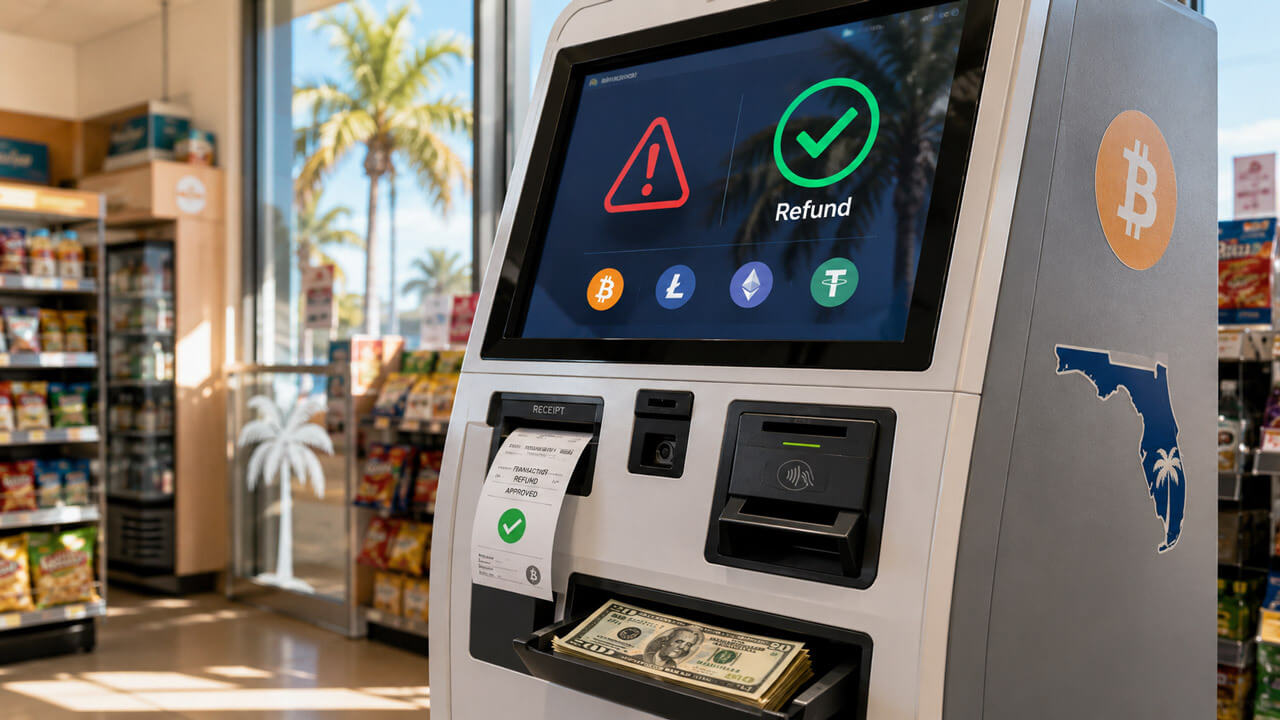
Florida's HB 505 legislation is testing a controversial new framework that could shift the financial burden of fraud directly onto crypto ATM operators. By introducing mandatory receipts, transaction caps, and heightened security warnings, the law aims to protect consumers, but introduces a high-stakes mechanism for conditional refunds.
This regulatory shift effectively turns scam refunds into a standard cost of doing business for kiosk operators. As the industry watches closely, the implementation of these rules could redefine the risk profile for crypto ATM businesses, potentially making certain markets too expensive to operate due to the direct liability for fraudulent transactions.
However, the core tension lies in the potential for operators to be held liable for user losses. By making scam refunds a potential requirement, the law may force crypto ATM companies to treat fraud losses as a predictable business expense, fundamentally altering the economic landscape for digital asset kiosks in the state.
This is a summarized and adapted version by Artificial Intelligence. To read the complete original story, visit the official source.
Read Full Article at CryptoSlateSupport Jornal Bitcoin
Independent journalism, curated by AI, no clickbait. Keep the flame alive with any amount of BTC.
jonata@walletofsatoshi.comDaily Crypto Brief 📬
Subscribe to receive the curation of the most important Bitcoin and crypto news, summarized by AI. No spam.
Join more than 10,000 smart readers.
Related News

Digital Warfare: Russia Claims Luhansk as EU Targets Crypto Networks Linked to War
This escalation highlights a pivotal shift in modern financial warfare, where digital assets are now primary targets for international enforcement. The resulting impact on global digital asset compliance and security norms could fundamentally reshape how the entire crypto industry operates under regulatory pressure.
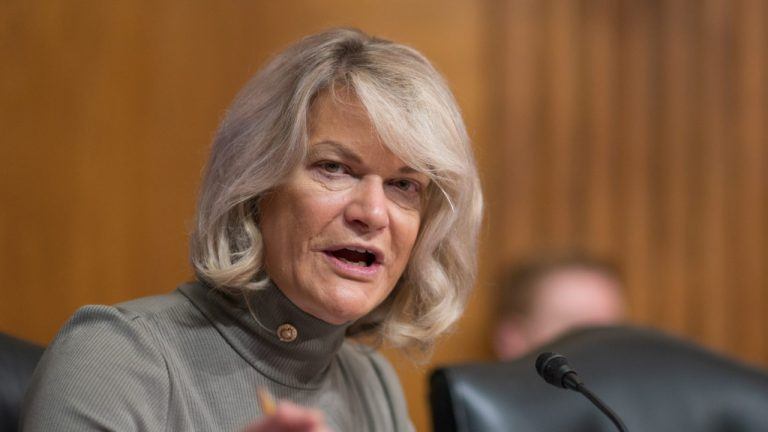
Lummis Fires Back at Warren: CLARITY Act Features 16+ Anti-Money Laundering Safeguards
This legislative clash underscores the ongoing battle over crypto regulation in Washington. The outcome of this debate will significantly impact how anti-money laundering (AML) protocols are integrated into the digital asset ecosystem, determining whether the industry can achieve compliance without stifling innovation.
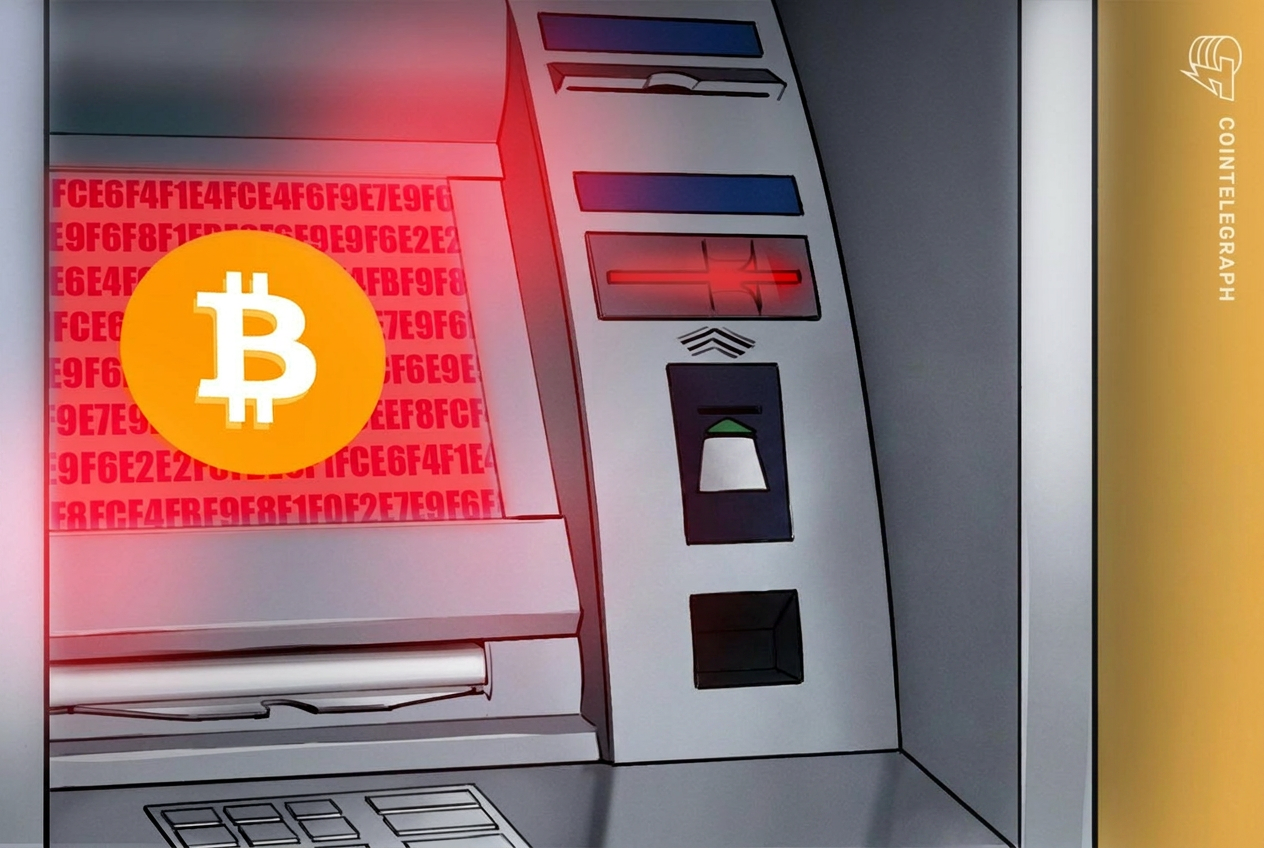
Crypto ATM Crackdown: Tennessee and Georgia Enforce Strict Bans and Limits
This legislative movement follows similar crackdowns in Indiana and upcoming restrictions in Minnesota, signaling a growing trend of state-level regulation against crypto hardware. These measures could significantly impact retail accessibility, potentially creating friction for users attempting to bridge fiat and digital assets through physical kiosks.

Crypto Wipeout Imminent: Unlicensed Firms Face Deadline as MiCA Rules Take Effect
This enforcement action signals the end of the grace period for non-compliant entities across the EU. The strict implementation of MiCA regulations is designed to institutionalize the crypto market, effectively weeding out bad actors while forcing a massive restructuring of the digital asset landscape in Europe.
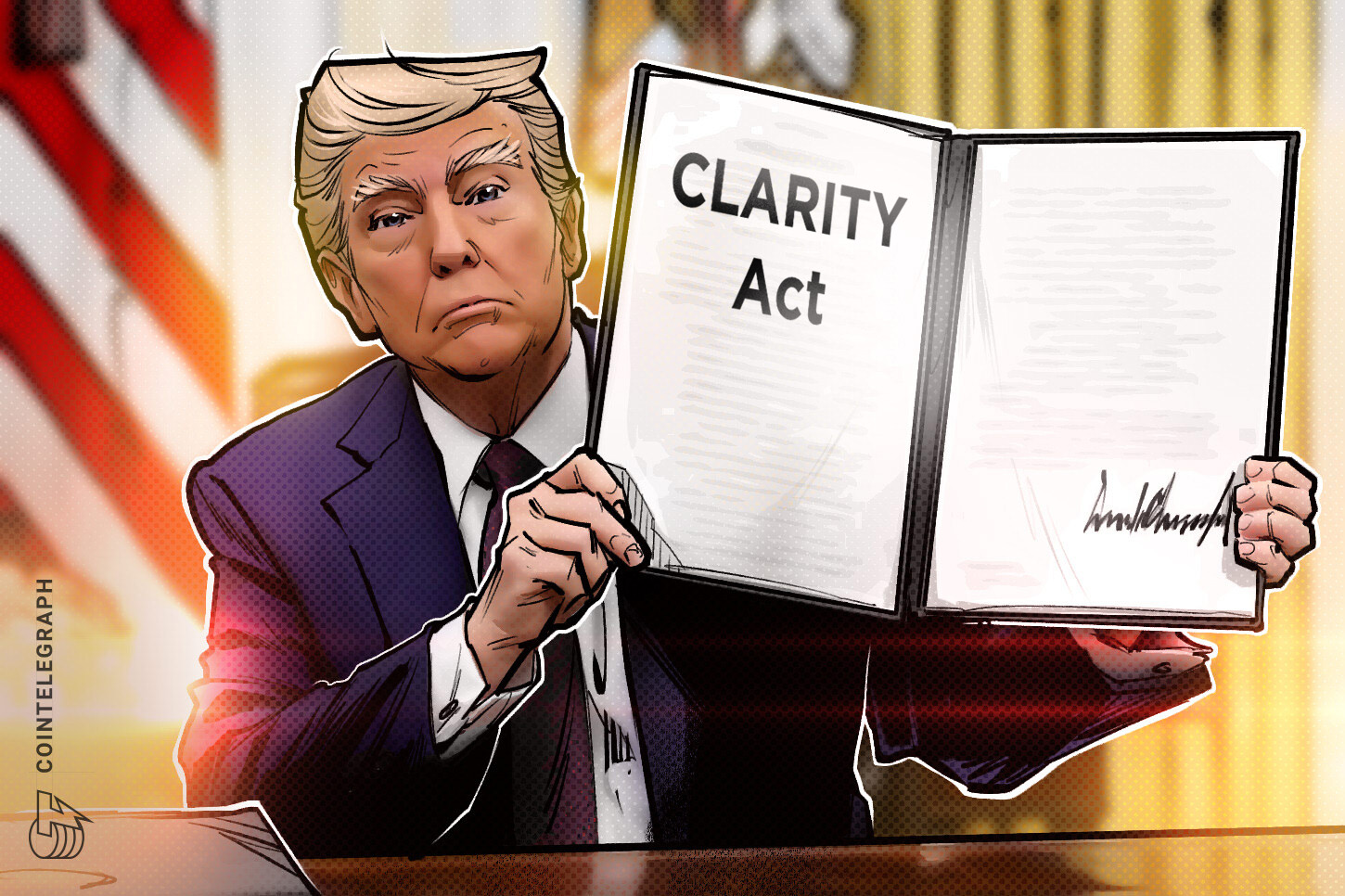
Regulatory Race Against Time: Galaxy Cuts CLARITY Act Odds to 50%
The downgrade is driven by political timing rather than the bill's substance, as congressional competition for floor time intensifies. With lawmakers facing a narrowing window, the future of this critical crypto market structure bill remains precariously balanced amidst shifting legislative priorities in Washington.

Trump Blocks CBDC Ban Until 2030 to Force Voter-ID Law
This standoff highlights the growing intersection between digital finance and legislative identity politics in the United States. As the Senate has already rejected the voter-ID requirements, the fate of the CBDC prohibition remains uncertain, leaving the future of decentralized finance and federal monetary control caught in a partisan deadlock.
