Diplomatic Gambit: Norway Urges China to Mediate Russia-Ukraine Peace Talks
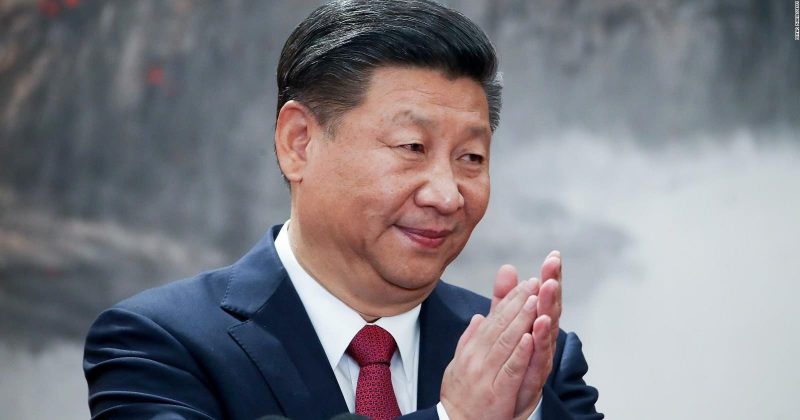
In a strategic move to break the current geopolitical stalemate, Norway has formally urged China to step in as a mediator for the Russia-Ukraine peace talks. This appeal leverages Beijing's growing global influence to facilitate a breakthrough in the ongoing conflict.
This shift in diplomatic dynamics could fundamentally alter the path to peace, potentially increasing the likelihood of a Russia-Ukraine ceasefire by 2026. The success of this initiative hinges on China's ability to navigate the complex tensions between the warring nations and the international community.
Norway has issued a formal appeal to China, urging the nation to act as a mediator in the Russia-Ukraine peace talks as the conflict remains in a deadlock. The Norwegian government believes that China's unique position could be the key to unlocking stalled diplomatic channels.
This strategic move could shift global diplomatic dynamics, potentially paving the way for a Russia-Ukraine ceasefire by 2026. As the world watches, the involvement of China could prove to be the decisive factor in ending the prolonged hostilities.
This is a summarized and adapted version by Artificial Intelligence. To read the complete original story, visit the official source.
Read Full Article at Crypto BriefingSupport Jornal Bitcoin
Independent journalism, curated by AI, no clickbait. Keep the flame alive with any amount of BTC.
jonata@walletofsatoshi.comDaily Crypto Brief 📬
Subscribe to receive the curation of the most important Bitcoin and crypto news, summarized by AI. No spam.
Join more than 10,000 smart readers.
Related News

Geopolitical Shockwave: Najaf Prepares for Khamenei’s Funeral Amid Rising Tensions
The consequences of this transition extend far beyond religious ceremonies, posing significant risks to global geopolitical stability. As the vacuum of power emerges, the future of US-Iran relations and broader Middle East security remains under intense scrutiny by global powers.
China Leverages Hong Kong to Boost Yuan Dominance and Curb DeFi Growth
While this move strengthens the yuan's reach, it presents a significant hurdle for the decentralized finance (DeFi) sector. By prioritizing state-sanctioned investment routes, China may inadvertently—or intentionally—limit the expansion of decentralized finance ecosystems within the region, favoring centralized control over crypto-native innovation.

Silicon War: Chinese Firms Pivot from Nvidia to Domestic AI Chips Amid US Tensions
This transition threatens to reshape global semiconductor dynamics by challenging long-standing US tech dominance. By fostering local innovation and scaling domestic production, China is positioning itself to build a self-reliant ecosystem that could fundamentally alter the global balance of power in the artificial intelligence race.
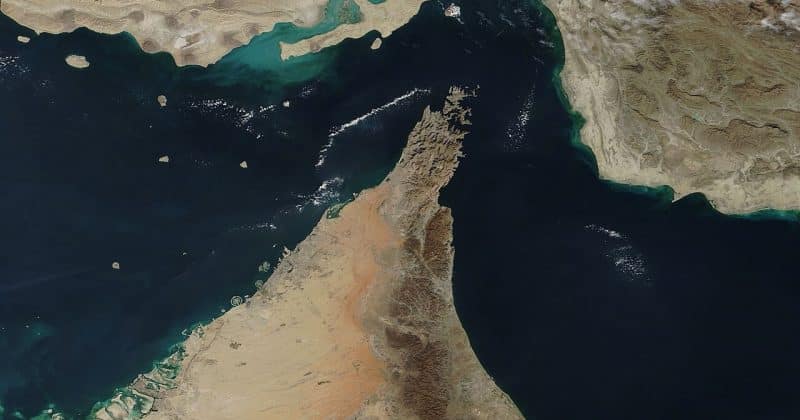
Hormuz Strait Chaos: IRGC Missile Strikes Shake Oil and Crypto Markets
Beyond immediate price swings, the conflict threatens to trigger heightened regulatory scrutiny on cryptocurrency transactions as authorities react to global instability. Market participants are bracing for potential shifts in liquidity and increased compliance pressure as geopolitical risks redefine the landscape for digital assets and energy commodities.
PBOC Greenlights Yuan-Denominated Futures in Hong Kong: A Global Capital Shift?
By facilitating this expansion, the PBOC aims to boost global capital inflows and effectively narrow rate spreads. This strategic integration provides much-needed liquidity and sophisticated trading tools, potentially reshaping how institutional investors interact with Chinese-denominated financial instruments.
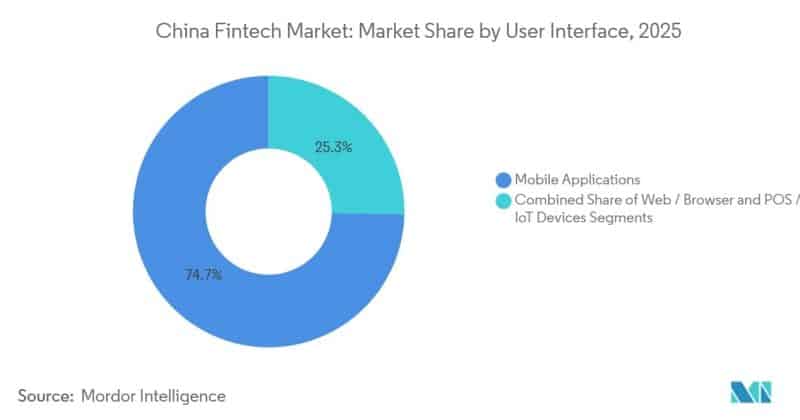
China Overtakes US in Fintech Patent Filings, Capturing 38% of Global Market
This dominance in fintech patents signals a profound transformation in global economic power dynamics and the future of financial systems. As China secures its technological moat, the competition between Eastern and Western innovation models is set to intensify, potentially reshaping how the world interacts with digital assets and banking infrastructure.
