Regulatory Win: North Carolina Bill Grants CFTC Authority Over Polymarket and Kalshi
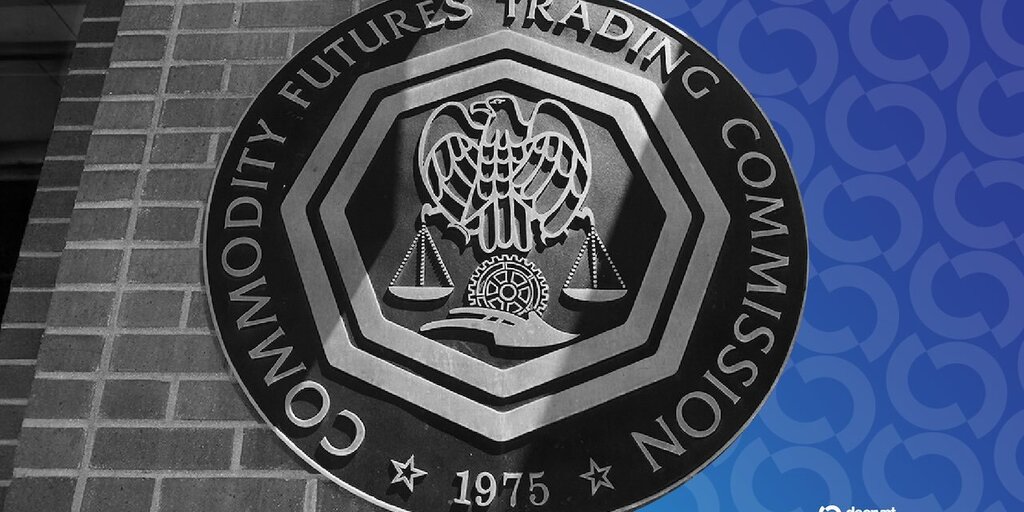
North Carolina has officially paved the way for regulatory clarity in the prediction market sector. A new state budget law recognizes the CFTC's federal regulatory authority over major platforms like Kalshi and Polymarket, providing a massive legal shield for these evolving digital markets.
This legislative move does more than just define oversight; it introduces a highly competitive tax structure. By setting a tax rate of just 6%, North Carolina is positioning itself as a sanctuary for prediction market operators, contrasting sharply with other states pursuing much higher tax burdens on digital betting and event-based trading.
In a strategic move to attract industry leaders, the law also implements a favorable 6% tax rate. This low tax threshold stands in stark contrast to the aggressive fiscal policies being pursued by other U.S. states, signaling that North Carolina aims to become a primary jurisdiction for the next wave of prediction market innovation.
This is a summarized and adapted version by Artificial Intelligence. To read the complete original story, visit the official source.
Read Full Article at DecryptSupport Jornal Bitcoin
Independent journalism, curated by AI, no clickbait. Keep the flame alive with any amount of BTC.
jonata@walletofsatoshi.comDaily Crypto Brief 📬
Subscribe to receive the curation of the most important Bitcoin and crypto news, summarized by AI. No spam.
Join more than 10,000 smart readers.
Related News

Election Betting in Your Brokerage? SEC Reviewing 24+ Prediction Market ETFs
However, these products have been stuck in regulatory limbo since February, as the SEC demands deeper clarity regarding fund mechanics and investor disclosures. The delay in launching these prediction market ETFs means that a new asset class designed to capitalize on political events remains just out of reach for most traders.

Polymarket Predicts 99% Certainty: Bitcoin to Hold Above $60K Amid Geopolitical Oil Risks
Geopolitical friction in the Strait of Hormuz, driven by renewed US-Iran tensions, has disrupted oil traffic and sent energy prices surging. This spike in oil prices threatens to reignite inflation concerns and complicate interest rate trajectories, presenting a high-stakes environment where Bitcoin's resilience is being tested against macroeconomic volatility.

Wall Street Crackdown: Major Banks Ban Staff from Prediction Market Trading
As event-based contracts gain mainstream traction, the risk of employees leveraging nonpublic information for financial gain has become a top priority for compliance departments. With Bank of America also drafting new prohibitive measures, the banking sector is moving aggressively to insulate itself from the regulatory scrutiny surrounding the rapid rise of prediction markets.

US Wallet War: Phantom Challenges CFTC Over On-Chain Perps Access
By emphasizing that users retain full control of their private keys and funds, Phantom is fighting to be classified as software rather than a custodian. The outcome of this regulatory push, set against a July 9 deadline, will be a pivotal moment for the integration of decentralized trading protocols within the traditional financial regulatory framework.

Geopolitical Chaos: Polymarket Odds of US Invasion of Iran Surge to 16.5%
With US forces striking approximately 90 coastal targets and Iran retaliating against US-linked sites, the risk of a full-scale regional war is escalating. This breakdown in diplomacy creates massive uncertainty for global markets, potentially triggering significant volatility across traditional and digital asset sectors.

Polymarket Eyes U.S. Expansion with High-Stakes Margin Trading Move
The application follows a major precedent set by rival Kalshi, which secured similar authorization in March. If successful, Polymarket's push could redefine the prediction market landscape, driving massive liquidity and institutional interest into decentralized event forecasting.
