New York Sues Kalshi, Calls It 'Plain and Simple' Gambling Platform

New York's Department of Financial Services has filed a lawsuit against Kalshi, accusing the company of operating an unlicensed gambling platform. The suit seeks to bar the company from continuing its operations and to obtain financial redress, marking another chapter in the regulatory battle against crypto and decentralized betting platforms. The action represents a significant challenge to the cryptocurrency sector, particularly for platforms offering predictive contracts. Kalshi, which has recently faced regulatory scrutiny, now faces an existential threat as regulators seek to clearly define the boundaries between investment and gambling. The case could set an important precedent for other crypto and decentralized betting companies in the US and globally.
This is a summarized and adapted version by Artificial Intelligence. To read the complete original story, visit the official source.
Read Full Article at CoinDeskSupport Jornal Bitcoin
Independent journalism, curated by AI, no clickbait. Keep the flame alive with any amount of BTC.
jonata@walletofsatoshi.comDaily Crypto Brief 📬
Subscribe to receive the curation of the most important Bitcoin and crypto news, summarized by AI. No spam.
Join more than 10,000 smart readers.
Related News

New York Sues Kalshi: Prediction Markets Face Regulatory Crackdown
The New York lawsuit comes amid an increasingly hostile regulatory environment for cryptocurrency companies in the United States. With regulators focusing on protecting investors and distinguishing between investment and gambling, the prediction markets industry faces a pivotal moment. The outcome of this case could determine whether platforms like Kalshi can operate legally or be forced to shut down, directly impacting numerous investors and the innovative future of cryptocurrency markets.

New York Sues Kalshi: 'Prediction Markets Are Gambling, Plain and Simple'
This lawsuit adds to a growing clash between New York and the CFTC over whether federally regulated prediction markets are subject to state gambling laws. The cryptocurrency and prediction market industry faces increasing regulatory scrutiny as regulators debate the nature of these innovative financial platforms. The outcome of this case could set a significant precedent for the future of prediction markets across the United States.

Legal Win for Polymarket: Federal Court Blocks Minnesota's Prediction Market Ban
This ruling sets a significant precedent for the intersection of state and federal regulation within the crypto space. By prioritizing federal authority, the court has mitigated the risk of a fragmented regulatory landscape that could stifle the growth of decentralized prediction markets and digital asset trading.

Polymarket Mystery: Account Linked to Farage Backer Moves $9M in Crypto from Unknown Sources
This development underscores the growing scrutiny regarding transparency and potential money laundering within prediction markets. As large-scale crypto movements intersect with high-profile political outcomes, the inability to verify the source of funds poses a significant challenge to the perceived legitimacy of decentralized betting platforms.

Massive Audience: World Cup Final Draws 60 Million Viewers as Prediction Markets Surge
As viewership hit record highs, platforms like Polymarket experienced a significant spike in activity, highlighting the growing synergy between major sporting events and crypto-based forecasting. This trend underscores how blockchain technology is becoming a primary tool for real-world event engagement and speculative trading.
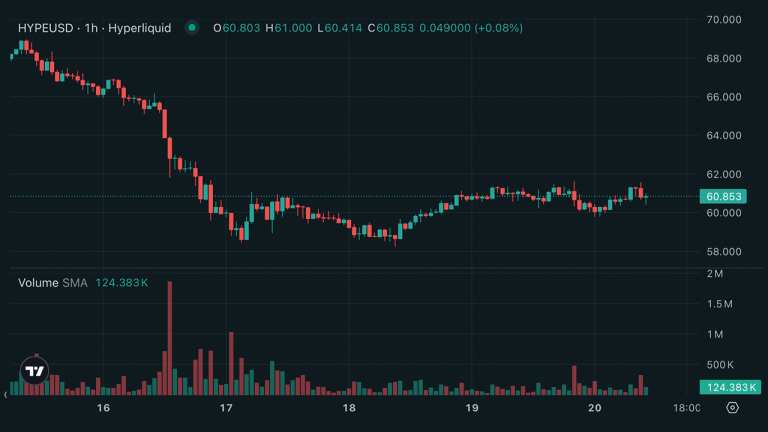
Hyperliquid Goes Permissionless: The HIP-4 Upgrade Set to Disrupt Prediction Markets
By transitioning to a permissionless framework, Hyperliquid is doubling down on its commitment to decentralization and user autonomy. The rollout, scheduled to occur in two distinct stages, is expected to catalyze massive growth in on-chain prediction markets and expand the utility of the Hyperliquid ecosystem.
