Power Grab? Netanyahu Moves to Scrap Likud Primaries Ahead of 2026 Elections
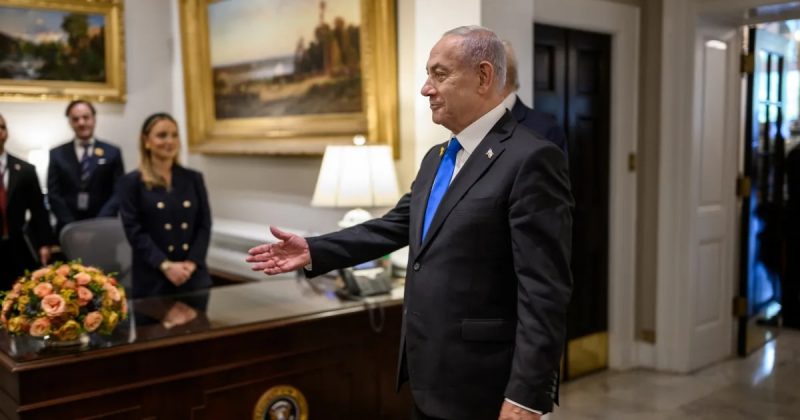
Benjamin Netanyahu is pushing a high-stakes maneuver to abolish Likud party primaries, a move designed to centralize authority within the ruling faction. This strategic shift aims to reshape the party's internal dynamics well in advance of the critical 2026 election cycle.
By eliminating the primary system, Netanyahu seeks to consolidate control and mitigate internal opposition. The implications of this plan extend beyond party politics, as it threatens to fundamentally alter Israel's political landscape and the balance of power leading into the next national vote.
The Likud party is set to vote on a controversial plan proposed by Benjamin Netanyahu to scrap internal primaries ahead of the 2026 elections. The plan is designed to centralize power, which would significantly impact Likud's internal dynamics and potentially alter Israel's entire political landscape by 2026.
This is a summarized and adapted version by Artificial Intelligence. To read the complete original story, visit the official source.
Read Full Article at Crypto BriefingSupport Jornal Bitcoin
Independent journalism, curated by AI, no clickbait. Keep the flame alive with any amount of BTC.
jonata@walletofsatoshi.comDaily Crypto Brief 📬
Subscribe to receive the curation of the most important Bitcoin and crypto news, summarized by AI. No spam.
Join more than 10,000 smart readers.
Related News
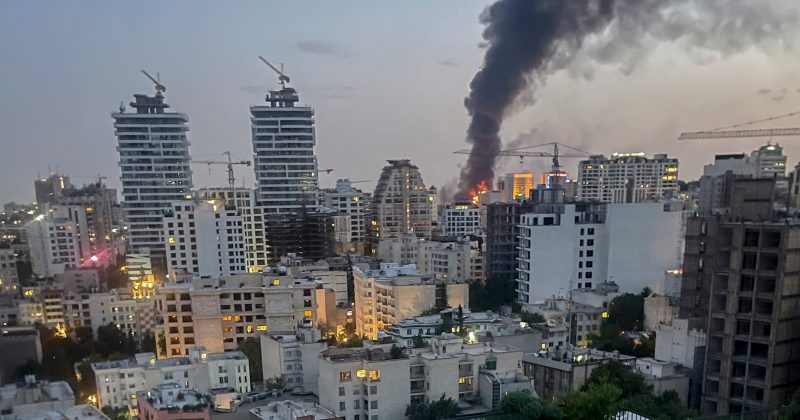
Geopolitical Alert: Israel Prepares Solo Military Strike Against Iran Amid 2026 Conflict Fears
As the specter of a 2026 conflict looms, the implications for global energy security and investor sentiment are profound. This shift toward unilateral military capability forces a re-evaluation of risk models, as the potential for sudden escalation could disrupt traditional market predictions and heighten geopolitical uncertainty.
Geopolitical Deadlock: How Lindsey Graham’s Israel Stance Could Block Palestinian Recognition
The consequences of this stance extend far beyond bilateral relations, impacting the broader global landscape of international law and statehood. As the debate intensifies, the influence of key lawmakers like Graham continues to dictate the pace of Middle East peace processes and the overall stability of the region's political architecture.
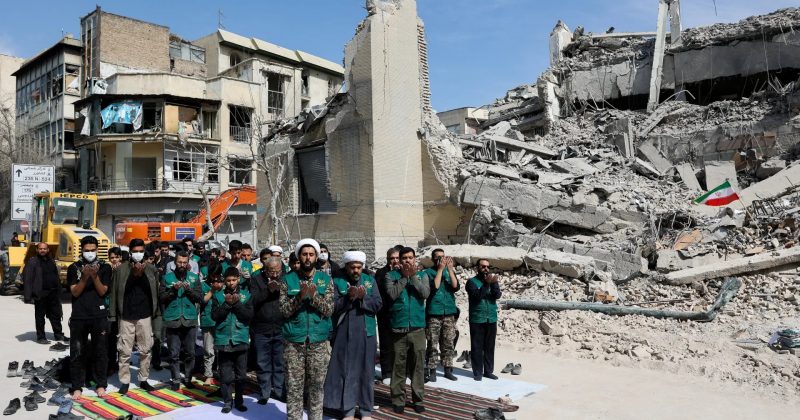
Middle East Crisis: Iran Strikes Qatar and UAE Amid Rising US-Israeli Tensions
Beyond the immediate military threat, these strikes complicate ongoing US-Iran diplomatic efforts and pose a significant risk to global economic stability. The potential for widespread disruption in energy markets could trigger massive volatility across both traditional commodities and the broader financial landscape.
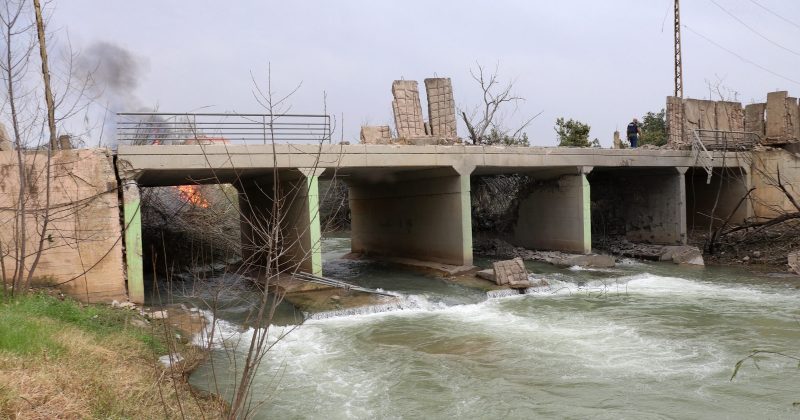
Middle East Escalation: IDF Crosses Litani River for First Time Since 2006
As the conflict intensifies, market perceptions are likely to react to the reduced likelihood of an imminent Israeli withdrawal. This prolonged tension introduces new layers of risk for global markets, as the potential for extended military engagement could trigger significant volatility across various asset classes.
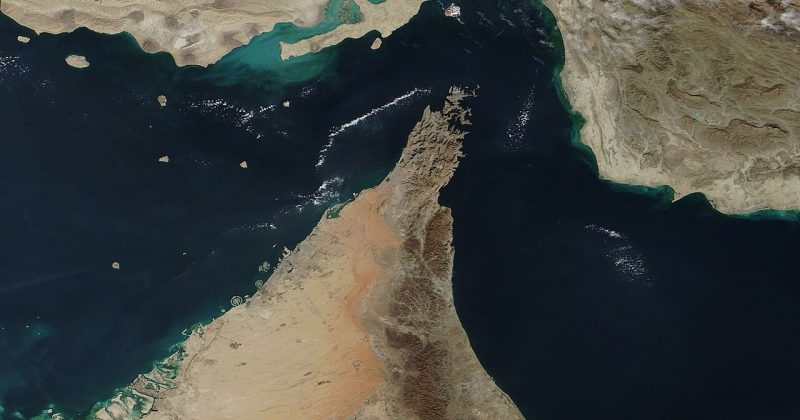
Geopolitical Explosion: US Strikes Iran Following Hormuz Attack as Israel Confirms Assassination Plot
Beyond the immediate violence, intelligence leaks suggest a profound attempt to destabilize Iran's leadership and dismantle its regional alliances. Such high-stakes geopolitical tensions often trigger massive volatility in global markets, making this a critical moment for investors monitoring systemic risk.

Inter Milan’s Record Transfer: A Wake-Up Call for Crypto’s Missing Piece in Football
This reliance on traditional banking and legacy systems highlights a significant missed opportunity for the industry to adopt blockchain-driven efficiency. As the global transfer market grows more complex, the refusal to integrate crypto-based settlement layers could lead to increased friction and reduced transparency in future high-value deals.
