Documentary Reveals Netanyahu Curbs Lindsey Graham’s Push to Escalate Iran Conflict
A newly released documentary reveals that Prime Minister Benjamin Netanyahu has actively curbed efforts by Senator Lindsey Graham to expand the ongoing conflict with Iran. This strategic restraint serves as a critical buffer against full-scale regional warfare, though it leaves the underlying geopolitical tensions unresolved.
This decision carries significant weight for global market perceptions regarding conflict resolution and systemic risk. While Netanyahu's restraint may prevent immediate escalation, the dimming prospects for peace ensure that market volatility remains a key factor for investors monitoring Middle East stability.
This is a summarized and adapted version by Artificial Intelligence. To read the complete original story, visit the official source.
Read Full Article at Crypto BriefingSupport Jornal Bitcoin
Independent journalism, curated by AI, no clickbait. Keep the flame alive with any amount of BTC.
jonata@walletofsatoshi.comDaily Crypto Brief 📬
Subscribe to receive the curation of the most important Bitcoin and crypto news, summarized by AI. No spam.
Join more than 10,000 smart readers.
Related News
Middle East Escalation: Iran Orders Urgent Infrastructure Rebuild Following US Attacks
Beyond the immediate physical damage, these reconstruction efforts signal a broader risk to global economic stability. The ongoing conflict threatens to delay Iran's economic recovery and could trigger significant disruptions to global trade routes, creating ripple effects across international markets.
Geopolitical De-escalation: Iran Refrains from Attacks, Easing US Tensions
The easing of Iran-US tensions is expected to pave the way for intensified diplomatic efforts and significantly lower the likelihood of European military involvement. As uncertainty subsides, the reduction in geopolitical risk could lead to improved sentiment across both traditional and crypto asset classes.
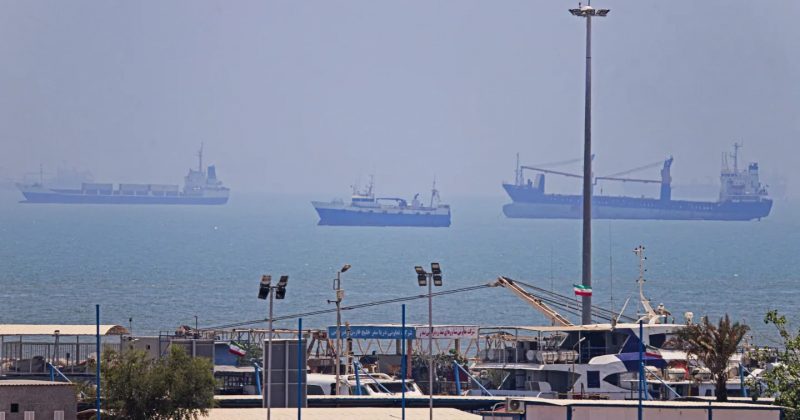
Tanker Explosion in Strait of Hormuz: Geopolitical Tensions Threaten Global Markets
The fallout from this explosion threatens to disrupt global oil markets, potentially driving up energy prices and compromising supply stability. As volatility rises, the impact on macroeconomics and risk-on assets like crypto remains a primary concern for analysts.
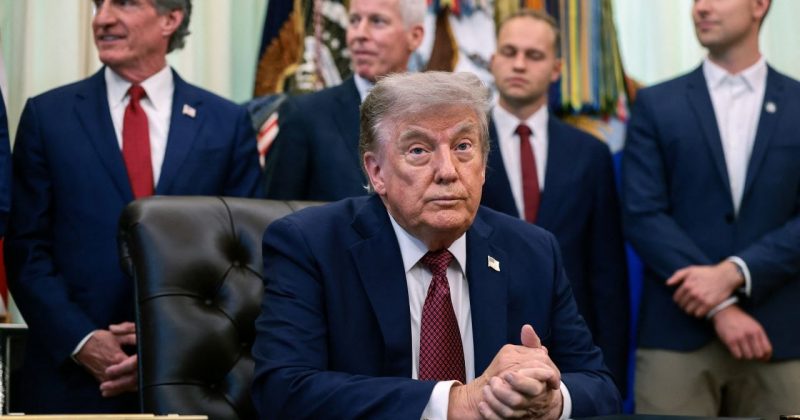
Geopolitical Chaos: Trump’s Iran Strike Threats Send Bitcoin Tumbling
Traders are aggressively reducing their risk exposure as the threat of military conflict looms over the Middle East. This correlation between global instability and crypto market volatility highlights how geopolitical tensions can trigger massive liquidations and shift investor sentiment toward safer havens almost instantaneously.
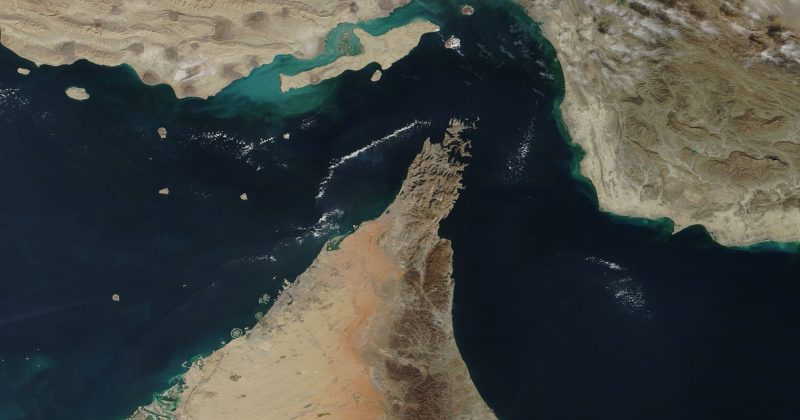
Geopolitical Twist: Iran Proposes Bitcoin and Stablecoin Tolls in Strait of Hormuz Ceasefire Talks
This proposal highlights the growing influence of crypto assets in high-stakes international relations and maritime logistics. By leveraging Bitcoin and stablecoins for critical infrastructure fees, the move could bypass traditional banking sanctions and set a precedent for how digital assets function within the framework of global commodity trade.
Geopolitical Shockwave: Russia Strikes Kyiv and Civilian Cargo Ship in Black Sea
Beyond the immediate tactical strikes, the strategic implications of potential territorial shifts, including the movement toward Druzhkivka, present long-term risks. The disruption of Black Sea maritime routes and the continued targeting of urban centers serve as critical catalysts for market shifts, potentially driving demand for decentralized assets amidst heightened global instability.
