NATO Unity: Allies Reaffirm Collective Defense Amid Trump Withdrawal Threats
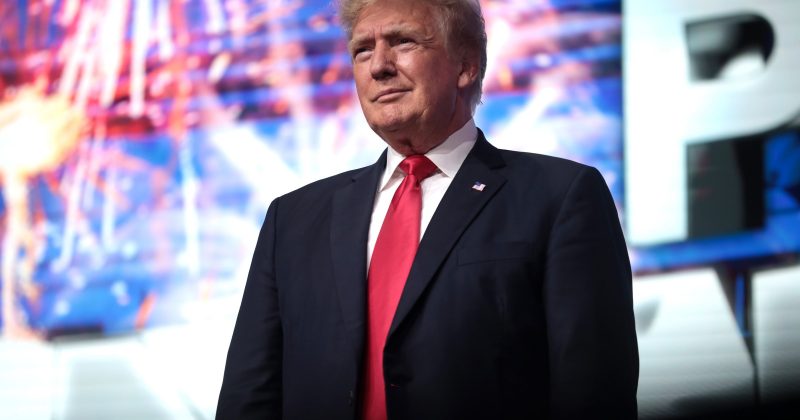
In a decisive move to safeguard global stability, NATO allies have reaffirmed their unwavering commitment to collective defense. This unified stance serves as a strategic buffer against the geopolitical uncertainty triggered by potential U.S. withdrawal threats, aiming to stabilize transatlantic relations and prevent immediate conflict escalation.
The implications of this solidarity are profound, as the alliance seeks to decouple long-term security frameworks from the volatility of U.S. domestic politics. By reinforcing these defense commitments, NATO members are working to ensure that the architecture of international security remains resilient, regardless of shifts in American foreign policy.
This is a summarized and adapted version by Artificial Intelligence. To read the complete original story, visit the official source.
Read Full Article at Crypto BriefingSupport Jornal Bitcoin
Independent journalism, curated by AI, no clickbait. Keep the flame alive with any amount of BTC.
jonata@walletofsatoshi.comDaily Crypto Brief 📬
Subscribe to receive the curation of the most important Bitcoin and crypto news, summarized by AI. No spam.
Join more than 10,000 smart readers.
Related News

Polymarket Launches U.S. Marketing Blitz to Reclaim Trust After 4-Year Ban
This aggressive push is more than just advertising; it is a calculated attempt to navigate the complex legal landscape of the United States. By focusing on legitimacy, Polymarket aims to transform its brand from a controversial entity into a trusted pillar of the prediction market industry, potentially setting a precedent for decentralized forecasting platforms.
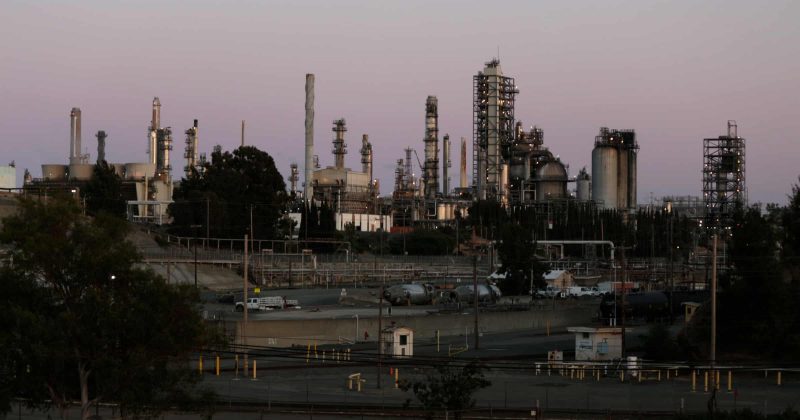
Oil Surge: Brent Nears $80 as US-Iran Tensions Reach Boiling Point
Beyond the immediate price action, the prolonged volatility in the oil market poses a significant threat to global economic stability. As energy security strategies are re-evaluated, the ripple effects of these tensions could reshape international trade dynamics and inflationary pressures for the foreseeable future.

Bitcoin Slides: Iran Ceasefire Collapse and Hormuz Blockade Threats Send Oil Soaring
Threats of a blockade in the Strait of Hormuz have pushed oil prices toward $75 per barrel, creating a high-risk environment for digital assets. As geopolitical tensions escalate, Bitcoin remains under pressure below $62,000, reflecting a flight to safety or liquidity shifts in response to the Middle East crisis.

High Alert: Israel Prepares for War with Iran, Sending Shockwaves Through Markets
This surge in geopolitical tensions is expected to destabilize global markets significantly. As potential military actions loom, the impact on commodity prices and investor sentiment could be profound, forcing a rapid reassessment of risk across both traditional and digital asset classes.

Race Against Time: Senator Lummis Demands Urgent Passage of CLARITY Act
Failure to act swiftly could significantly hinder U.S. digital asset regulation, undermining market confidence and stalling future legislative efforts. The passage of the CLARITY Act is considered vital to preventing long-term regulatory uncertainty in the United States.
Trump Revives Greenland Acquisition Ambitions at NATO Summit, Shaking Geopolitics
Beyond the political friction, this development carries significant implications for market dynamics and global stability. As the U.S. pushes for greater influence in the Arctic, investors and analysts must monitor how these shifting power structures influence international relations and broader economic volatility.
