Moonbeam Abandons Polkadot for Base to Build Autonomous AI Agent Network

Moonbeam is executing a massive strategic pivot, migrating from its Polkadot parachain roots to Ethereum's Layer 2 network, Base. This move is designed to launch a specialized communication and settlement framework for AI agents, aiming to dominate the burgeoning sector of autonomous on-chain intelligence.
By focusing on AI-native on-chain coordination, Moonbeam seeks to enable autonomous agents to negotiate and settle transactions without middlemen. GLMR holders are urged to bridge their tokens to the Base network before the July 31 deadline to ensure a smooth transition during this high-stakes evolution.
Moonbeam, the interoperability protocol originally built on Polkadot, has announced a major pivot to Ethereum Layer 2 solution, Base. The move is centered around the launch of an AI agent communication and settlement network, designed to capture a significant share of the emerging AI-driven crypto market.
“This is a pivot to the most exciting frontier in crypto: autonomous AI agents that find each other, negotiate work, and pay each other entirely on-chain, without a middleman,” Moonbeam stated on Friday. The protocol believes that AI-native on-chain coordination represents a massive long-term opportunity, and this transition allows for a concentrated allocation of resources.
While a specific launch timeline for the AI platform was not provided, Moonbeam has issued a critical directive to GLMR holders: bridge your tokens from the Polkadot parachain to Base before July 31.
This is a summarized and adapted version by Artificial Intelligence. To read the complete original story, visit the official source.
Read Full Article at CoinTelegraphSupport Jornal Bitcoin
Independent journalism, curated by AI, no clickbait. Keep the flame alive with any amount of BTC.
jonata@walletofsatoshi.comDaily Crypto Brief 📬
Subscribe to receive the curation of the most important Bitcoin and crypto news, summarized by AI. No spam.
Join more than 10,000 smart readers.
Related News
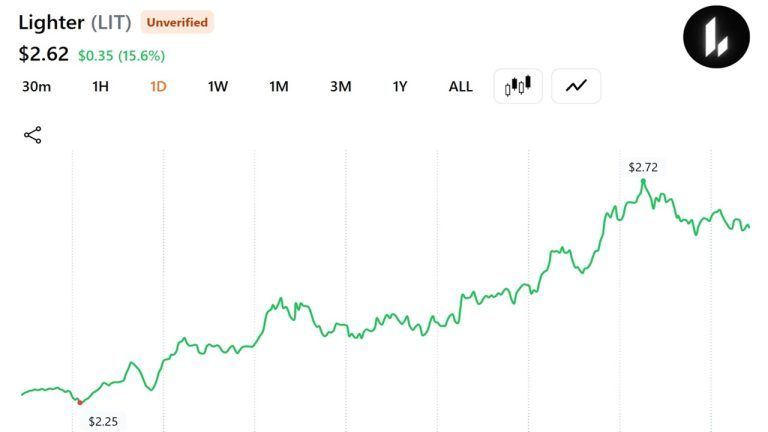
Crypto Blunder: Trader Wipes Out $2 Million in ETH Swap for Lighter Token
The blunder coincided with a period of high volatility, as the Lighter token surged 53% over the week and climbed Coingecko's trending list. This incident highlights the extreme dangers of slippage and poor execution when interacting with trending assets during rapid market rallies.

Trading War: Deribit and SignalPlus Unveil 'The Island' with $600,000 USDC Prize Pool
This strategic move aims to drive massive engagement and liquidity within the crypto ecosystem. By offering substantial rewards in USDC, the competition is set to become a landmark event for derivatives trading, attracting significant attention from institutional and retail participants alike.

Deadline Missed: CLARITY Act Fails Trump’s July 4 Target, Leaving Only 25 Days to Pass
With the Senate returning on July 13 and a recess looming on August 7, the crypto industry's long-sought market structure bill is racing against the clock. This delay places immense pressure on lawmakers to finalize the framework before the summer break.
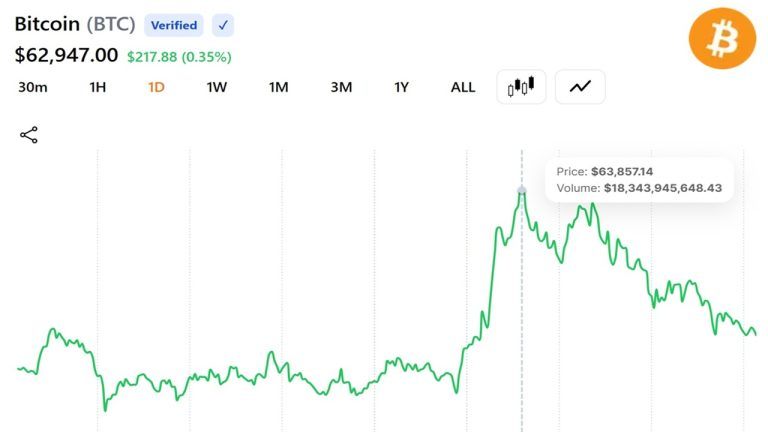
Bitcoin Reclaims $63K: ETF Inflows and Short Squeeze Fuel Massive Rebound
This rally marks a significant recovery from the late-June downturn, as Bitcoin climbed back from levels below $60,000. The combination of institutional demand via ETFs and the liquidation of short positions suggests a strengthening bullish sentiment across the broader cryptocurrency landscape.
Gold vs. Bitcoin: Peter Brandt’s Strategic Pivot as Polymarket Bets Big on $50K+
Simultaneously, the Polymarket prediction market is showing extreme bullishness, with a 99.95% probability of Bitcoin staying above the $50,000 threshold. This divergence between seasoned macro traders and high-stakes prediction markets highlights the intense tug-of-war between traditional safe havens and the digital asset revolution.

Iran Power Shift: Mojtaba Khamenei Takes Charge Amid Escalating US-Israel Tensions
As the geopolitical stability of the region hangs in the balance, market confidence is facing a rigorous test. The potential for intensified regional tensions could trigger significant volatility, influencing global economic sentiment and impacting risk appetite across both traditional and digital asset markets.
