Middle East Escalation: US Strikes in Iran Leave 55 Dead Amid Rising Invasion Fears

Global geopolitical stability has been shaken following US military strikes in Iran that killed 55 people and wounded 645 others. This sudden escalation of tensions serves as a critical warning for global markets, potentially triggering massive shifts in capital flows.
As the threat of direct confrontation grows, market analysts are closely watching the 29.5% probability of a full-scale US invasion of Iran before 2027. This heightened geopolitical risk is expected to drive volatility across both traditional and digital asset classes.
Tensions in the Middle East have reached a breaking point as US military strikes in Iran resulted in 55 fatalities and 645 injuries. The strikes come amid rapidly escalating tensions that threaten to destabilize international energy supplies and financial markets. Current risk assessments suggest a 29.5% probability of a US invasion of Iran occurring before 2027, a figure that is driving intense speculation among global strategists and investors alike.
This is a summarized and adapted version by Artificial Intelligence. To read the complete original story, visit the official source.
Read Full Article at Crypto BriefingSupport Jornal Bitcoin
Independent journalism, curated by AI, no clickbait. Keep the flame alive with any amount of BTC.
jonata@walletofsatoshi.comDaily Crypto Brief 📬
Subscribe to receive the curation of the most important Bitcoin and crypto news, summarized by AI. No spam.
Join more than 10,000 smart readers.
Related News

Geopolitical Deadlock: Iranian Cleric Rejects US Talks, Threatening Global Stability
Despite previous discussions regarding a potential US-Iran deal that could include reconstruction funding by 2026, the current stalemate leaves the future of these financial provisions in doubt. As tensions simmer, the impact on global stability and the potential for sudden market shifts remain a primary concern for those tracking international relations and macro trends.

Geopolitical Shift: US Imports Iraqi Fuel Oil via Syria for the First Time
Market analysts are closely monitoring the ripple effects, as this shift coincides with aggressive forecasts placing WTI at $110 by July 2026. The potential surge in crude oil prices and the complexities of these new trade corridors are expected to drive significant volatility across global macro markets.
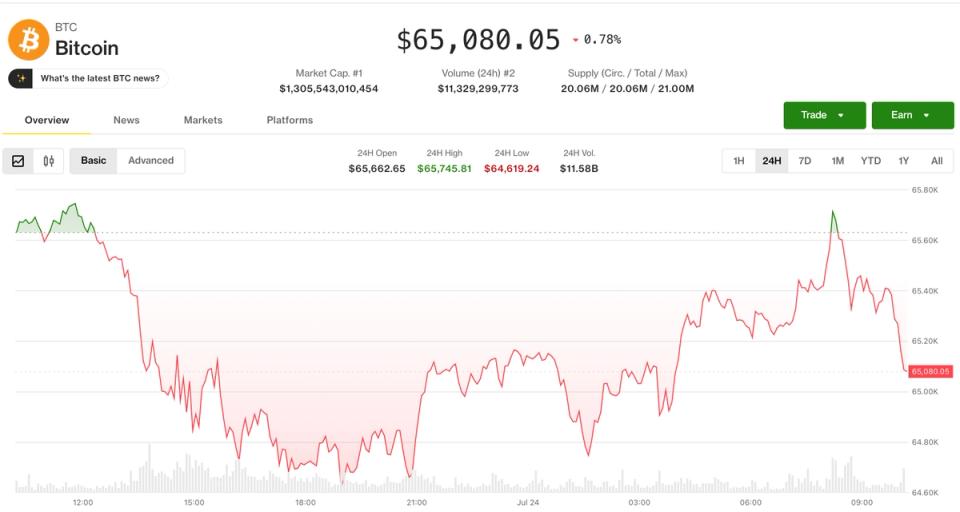
Bitcoin Holds Steady Near $65,000 as Surging Oil Prices Fail to Trigger Crypto Sell-off
This divergence highlights a growing trend where Bitcoin acts independently of traditional energy-driven market shocks. As oil prices hit their highest levels since May, the crypto sector is capitalizing on muted traditional markets, reinforcing its position as a distinct asset class capable of weathering geopolitical tension.

Geopolitical Alert: Germany Scales Back Tehran Embassy Operations Amid Rising Tensions
With projections suggesting a possibility of European military action against Iran by July, the geopolitical landscape is shifting toward high volatility. Such developments often trigger market shifts, as investors weigh the impact of regional conflict on global economic stability and crypto asset liquidity.

Russian Strikes Hit Ukraine's Power Grid; Kyiv Strikes Back at Oil and Missile Sites
This escalation underscores the intensifying conflict, with strategic projections suggesting a potential Russian entry into Sloviansk by late 2026. The ongoing destruction of energy assets remains a critical factor in the geopolitical landscape, driving uncertainty across global markets.

Oil Price Alert: Iran Conflict Risks Could Send Crude to All-Time Highs
Market analysts suggest that crude oil is positioned to hit a new all-time high by December 31. This potential surge in energy costs could trigger broader economic shifts, influencing inflation rates and the overall movement of capital across global financial markets.
