Saylor Sounds the Alarm: Why the BIP-110 Anti-Spam Plan Threatens Bitcoin's Core

Michael Saylor, the industry's largest corporate Bitcoin holder, has issued a sharp critique of the BIP-110 proposal. This anti-spam initiative, which aims to restrict data on the blockchain, is being flagged by Saylor as a fundamental threat to the network's integrity.
Beyond mere technical adjustments, the proposal sparks a massive debate regarding network neutrality and security. By limiting data types, critics argue that the protocol risks introducing censorship vulnerabilities, potentially undermining the very decentralization that secures the Bitcoin ecosystem.
The core of the conflict lies in the tension between scalability and censorship resistance. While proponents of BIP-110 argue that data restrictions are necessary to manage network bloat, critics like Saylor contend that any move toward data filtering sets a dangerous precedent that could lead to institutionalized censorship, violating the core principles of the Bitcoin protocol.
This is a summarized and adapted version by Artificial Intelligence. To read the complete original story, visit the official source.
Read Full Article at BlockTrendsSupport Jornal Bitcoin
Independent journalism, curated by AI, no clickbait. Keep the flame alive with any amount of BTC.
jonata@walletofsatoshi.comDaily Crypto Brief 📬
Subscribe to receive the curation of the most important Bitcoin and crypto news, summarized by AI. No spam.
Join more than 10,000 smart readers.
Related News

LSE to Launch Overnight Trading by 2027 to Combat Crypto and Tokenized Equity Surge
This move is a direct defensive maneuver against the rising dominance of crypto markets and tokenized equity platforms that offer seamless 24/7 liquidity. As traditional finance faces pressure to modernize, the LSE's expansion into overnight sessions highlights the urgent need for legacy exchanges to adapt to a digital-first, around-the-clock global economy.

Race Against Time: CLARITY Act Faces Decisive Senate Week Before August Recess
This legislative stagnation comes at a dangerous time for US dominance, as Russia moves aggressively to establish its own crypto framework. The pressure is mounting on the Senate to act before the recess, as the delay in the CLARITY Act could shift the global balance of power in the digital asset sector.
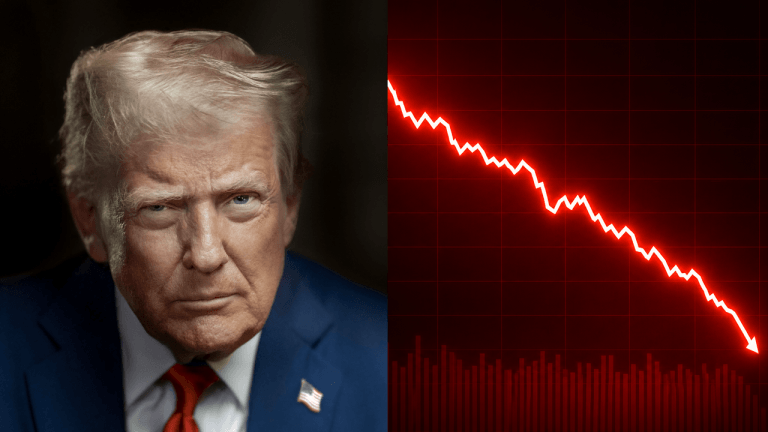
Geopolitical Chaos: Trump Vows Retaliation as Iran Strikes Shake Wall Street and Crypto Markets
Amidst this heightened volatility, Bitcoin is showing notable strength, holding steady near the $65,000 level even as traditional equities struggle to find footing. As Wall Street enters a critical earnings week, the intersection of geopolitical tension and commodity price spikes is forcing investors to re-evaluate the role of digital assets as a hedge against systemic instability.

Geopolitical Escalation: US Confirms Troops Killed in Iran Attack, Launches Retaliatory Strikes
This military escalation coincides with critical logistical shifts, as the full closure of Iranian airspace is anticipated by July 31. As geopolitical instability rises, crypto markets and macro analysts are bracing for potential volatility and shifts in global liquidity driven by these sudden military developments.

AI Gold Rush: IREN Secures $2.8B in Contracts, Aiming for $4B Revenue Milestone
Leveraging strategic partnerships with industry titans Microsoft and NVIDIA, IREN has already locked in 85% of its ambitious $4 billion AI revenue target. This massive expansion underscores the critical intersection between digital asset infrastructure and the burgeoning AI cloud economy.
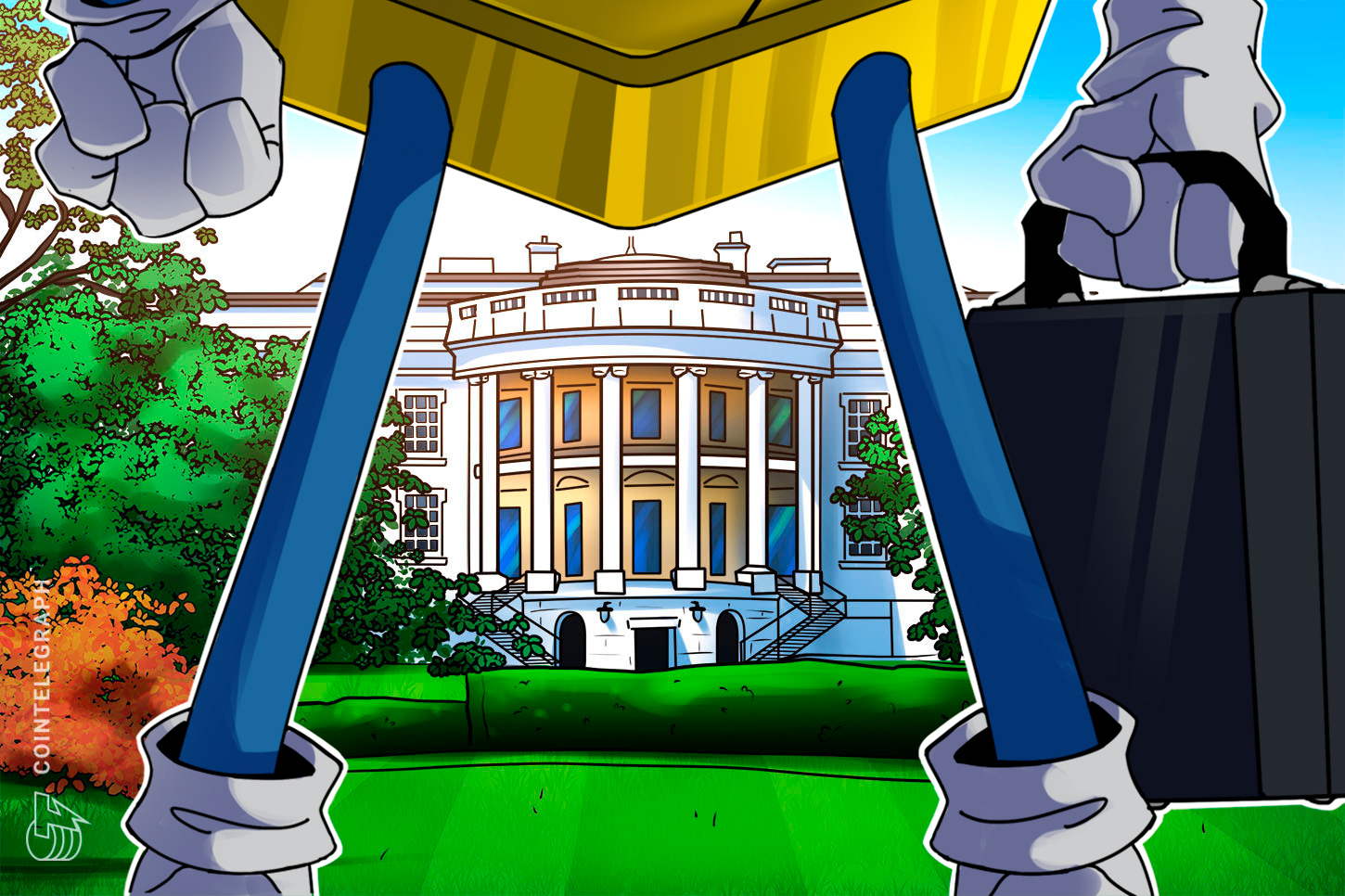
Crypto Policy Power Move: White House Adviser Defers Military Service to Push CLARITY Act Through Senate
The impact of Witt's decision cannot be overstated, as his presence provides essential continuity for the CLARITY Act's legislative momentum. By staying in his role instead of taking a leave of absence with the Georgia Army National Guard, Witt is positioning himself to steer the crypto policy landscape through one of its most significant regulatory milestones in recent history.
