MiCA Crackdown: ESMA Guidelines Tighten Grip on Non-Euro Stablecoins

Europe's stablecoin regulatory landscape is shifting from theory to enforcement. The ESMA's finalized MiCA guidelines introduce stringent operational requirements for stablecoin issuers and service providers, specifically targeting non-Euro denominated tokens to ensure tighter oversight within the European Union.
This regulatory tightening is designed to bolster financial stability and reduce systemic risks within the crypto ecosystem. As the MiCA framework matures, service providers must adapt to these heightened standards or face significant barriers to entry in the lucrative European digital asset market.
Europe’s stablecoin rulebook is becoming much more real. ESMA’s finalized MiCA guidelines add another layer of detail to how stablecoin issuers and service providers are expected to operate inside the bloc, especially regarding tokens that are not pegged to the Euro. This move places non-Euro assets under a much tighter European lens, demanding higher transparency and stricter compliance measures.
This is a summarized and adapted version by Artificial Intelligence. To read the complete original story, visit the official source.
Read Full Article at NewsBTCSupport Jornal Bitcoin
Independent journalism, curated by AI, no clickbait. Keep the flame alive with any amount of BTC.
jonata@walletofsatoshi.comDaily Crypto Brief 📬
Subscribe to receive the curation of the most important Bitcoin and crypto news, summarized by AI. No spam.
Join more than 10,000 smart readers.
Related News

The Pulisic Effect: How a World Cup Injury Shook Sports Prediction Markets and Athlete Tokens
The fallout extends to broader investor confidence, highlighting the fragility of athlete-linked tokens when faced with unpredictable physical setbacks. As the intersection of sports and blockchain grows, this event underscores the critical importance of risk management within the sports prediction market ecosystem.

Internal Chaos: Trump's Bitcoin Reserve Plan Hits Legal Roadblocks in the US
This legal deadlock raises significant questions about government control over digital assets and the long-term trajectory of US crypto policy. The outcome of this dispute will be a decisive factor in whether Bitcoin can successfully transition into a national reserve asset.

Interpol Crackdown: 5,811 Arrested and $293M in Illicit Assets, Including Crypto, Seized
This massive crackdown underscores the increasing sophistication of law enforcement in tracking digital assets and dismantling complex financial crimes. As authorities tighten their grip on the blockchain ecosystem, the ability to intercept large-scale crypto-related illicit flows is becoming a cornerstone of international policing.

The Death of Spot? Derivatives Now Dominate Crypto Price Discovery at 4.4x Spot Volume
This trend highlights the deepening influence of institutional strategies and the impact of evolving regulatory frameworks. As derivative volume continues to dwarf spot trading, the market's volatility and price formation are becoming increasingly tied to complex hedging and institutional speculation.
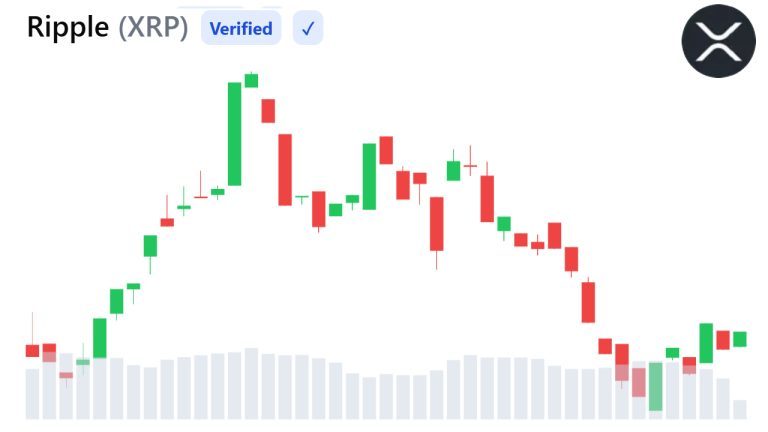
XRP Bearish Trend Deepens: Weak Liquidity and Falling Open Interest Signal Caution
According to recent Cryptoquant analyses, the combination of these factors points toward sustained selling pressure. As the bearish trend deepens, market participants must weigh whether this liquidity crunch is a precursor to a major price correction or a temporary period of consolidation.

Circle Brings Native EURC to Base, Signaling a Clearer Euro Stablecoin Path After MiCA
As MiCA provides clearer regulatory runway for euro stablecoins across Europe, moving EURC to Base can accelerate adoption and deepen trading access in faster, cheaper L2 environments. The bottom line: the market gets a more straightforward route to build, integrate, and use euro stablecoins with less compliance uncertainty—an important signal for EURC, stablecoin infrastructure, and EU regulation trends.
