CoinTelegraph

MiCA cracks down on USDT in Europe... but global demand remains strong

August 20, 202610:30 AM
MiCA cracks down on USDT in Europe... but global demand remains strong

Europe's Markets in Crypto-Assets (MiCA) regulation is forcing platforms to remove USDT from their services, with Revolut being the latest to announce delisting after August 31. This move is part of a broader trend of European platforms adapting to MiCA requirements, whose transition period ended on July 1, pressuring companies to drop tokens that don't meet the new stablecoin rules. While Europe distances itself from USDT, the world's largest stablecoin maintains its dominant position in the global market, highlighting a disconnect between European regulation and the reality of the global crypto market.

This is a summarized and adapted version by Artificial Intelligence. To read the complete original story, visit the official source.

Read Full Article at CoinTelegraph
QR Code Lightning

Support Jornal Bitcoin

Independent journalism, curated by AI, no clickbait. Keep the flame alive with any amount of BTC.

Wallet of Satoshi
jonata@walletofsatoshi.com

Daily Crypto Brief 📬

Subscribe to receive the curation of the most important Bitcoin and crypto news, summarized by AI. No spam.

Join more than 10,000 smart readers.

Related News

Bitcoin Rally Fueled by Leverage, Not Spot Buying, Reinforcing 2026's Dominant Trend
Crypto Briefing

Bitcoin Rally Fueled by Leverage, Not Spot Buying, Reinforcing 2026's Dominant Trend

Bitcoin's recent rally is primarily fueled by leverage trading rather than spot market buying, significantly increasing market fragility and the risk of sharp downturns from potential liquidations. This reliance on leverage is becoming the dominant trend expected to persist through 2026, according to crypto market analysts.

This leverage dynamic presents a significant challenge to Bitcoin's stability, as traders using leverage amplify both gains and losses. The increasing volume of futures and options relative to spot trading volumes indicates the market is becoming more speculative, which could lead to more severe corrections if sentiment shifts abruptly. Investors should closely monitor liquidation levels and the fear and greed index to navigate this volatile environment.

Bitcoin Miner Ionic Makes 90% Revenue from AI Leases as BTC Mining Drives $35M Loss
CryptoSlate

Bitcoin Miner Ionic Makes 90% Revenue from AI Leases as BTC Mining Drives $35M Loss

Bitcoin miner Ionic is undergoing a radical transformation, with 90% of its revenue now coming from AI lease contracts, while Bitcoin mining operations generate a $35 million loss. This strategic shift reflects the growing convergence between cryptocurrency industries and cutting-edge computing.

The company faces a crucial cash conversion test, with straight-line lease recognition and an August rent start. This transition to AI represents a survival bet in the volatile cryptocurrency market, where traditional mining becomes economically challenging. The Ionic case serves as an indicator of the mining industry's future, which may be moving beyond Bitcoin.
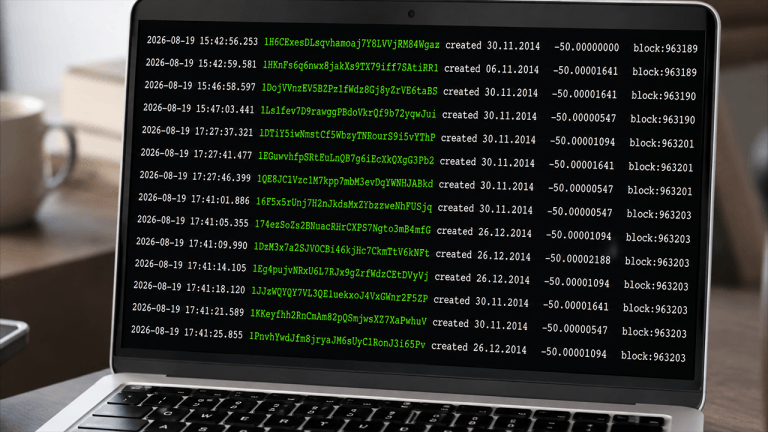
11-Year-Old Dormant Bitcoin Wallets Move 1,214 BTC Worth $86M in 24 Hours
Bitcoin.com★ Featured

11-Year-Old Dormant Bitcoin Wallets Move 1,214 BTC Worth $86M in 24 Hours

In a market-moving development, 11-year-old dormant Bitcoin wallets have activated and transferred 1,214 BTC worth $86 million within just 24 hours. This reactivation of vintage coins comes as Bitcoin reaches weekly highs of $72,400, suggesting potential profit-taking strategies from early investors capitalizing on the recent price surge.

The phenomenon is part of a broader pattern where long-dormant wallets are resurfacing, with a total of 1,314.41 BTC ($94 million) recently moved from cold storage. This massive movement of old Bitcoin may signal shifts in market sentiment or exit strategies from investors who acquired coins during cryptocurrency's early days, potentially impacting supply and demand dynamics in the market.
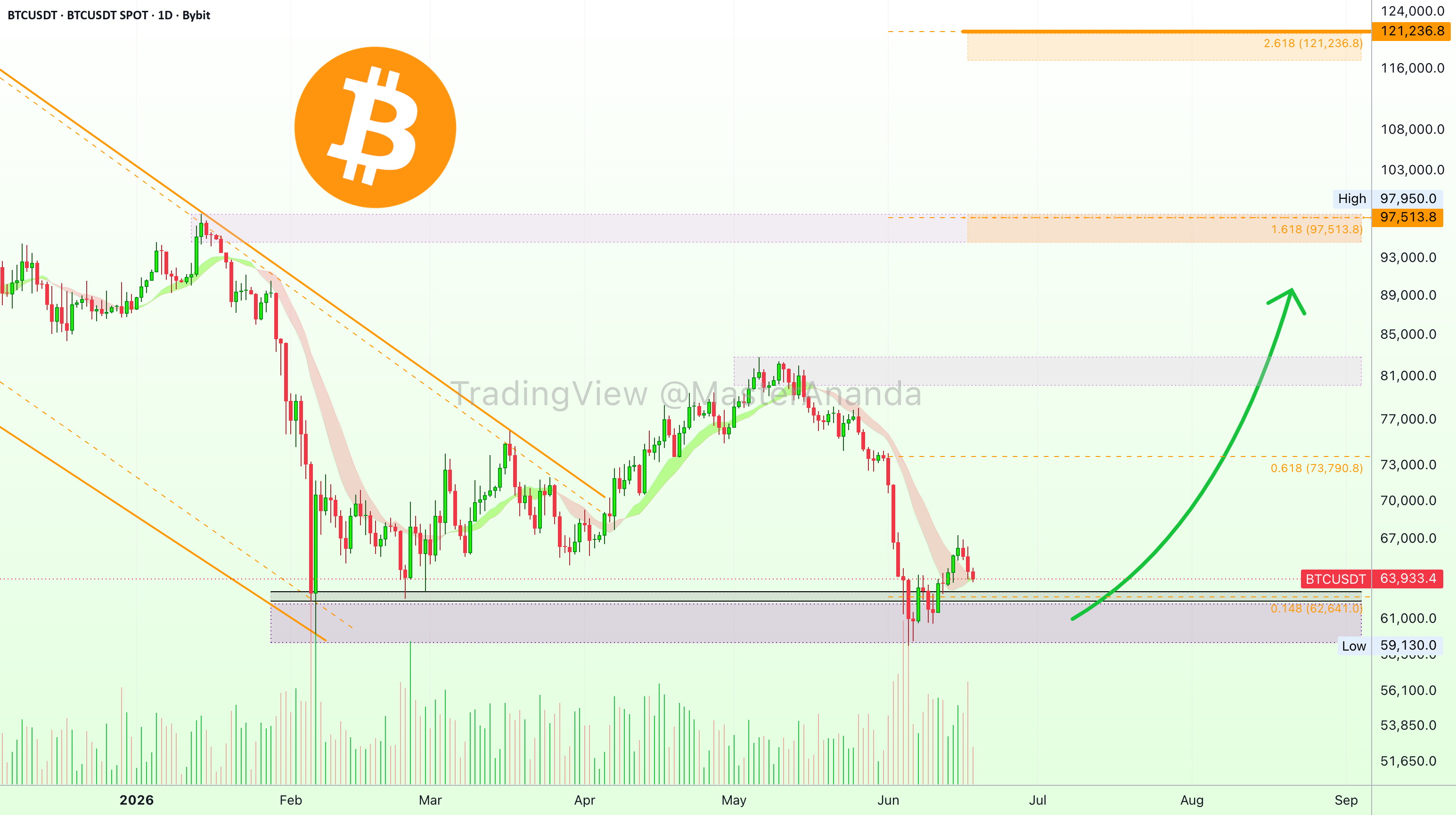
US Treasury Buyback Boom: Massive Liquidity Injection Signals Bitcoin Breakout
NewsBTC

US Treasury Buyback Boom: Massive Liquidity Injection Signals Bitcoin Breakout

The US Treasury is significantly expanding its bond buyback programs, creating a massive wave of liquidity that's capturing the attention of Bitcoin traders. This macroeconomic move represents a clear signal for the crypto market, indicating potential liquidity increases that traditionally benefit risk assets like Bitcoin. The expansion of Treasury buybacks, which injects billions into the financial system, could have profound consequences for Bitcoin's price. Historically, periods of abundant liquidity in the traditional system correlate with significant gains for the crypto market, as traders watch closely how this macro signal will translate into capital flows for Bitcoin, potentially accelerating institutional adoption and pushing toward new all-time highs.
CoinDesk

Elon Musk's X Explores Stablecoins to Pay Influencers and Content Creators

Elon Musk's X is actively exploring the use of stablecoins to compensate influencers and content creators, according to ongoing discussions with industry insiders. This move positions X at the forefront of financial innovation within social media, as the platform considers adopting cryptocurrency payments for its creator economy. The potential implementation of stablecoin payments could revolutionize how influencers are compensated globally, offering faster transactions with reduced fees compared to traditional payment methods. If successful, this strategy would place X as a pioneer in integrating decentralized finance with social media platforms, potentially accelerating mainstream adoption of cryptocurrency payments in the creator economy.
Banking Regulator in a Race Against Time to Finalize GENIUS Act Stablecoin Rules
Decrypt

Banking Regulator in a Race Against Time to Finalize GENIUS Act Stablecoin Rules

The U.S. banking regulator is racing against time to finalize stablecoin rules under the GENIUS Act, as confirmed by OCC Comptroller Jonathan Gould at the Wyoming Blockchain Symposium. The agency is moving at a rapid pace to beat a January statutory deadline, after already missing an earlier July target. This regulatory pressure is creating uncertainty for stablecoins and the broader crypto ecosystem, with potential significant consequences for cryptocurrency firms and traditional financial institutions. The rushed timeline reflects authorities' urgency in establishing a clear regulatory framework for stable assets, which have gained popularity as an alternative to traditional financial instruments.
Jornal Bitcoin Logo
