Macquarie Warning: US-Iran Deal Could Trigger Global Oil Surplus Risk
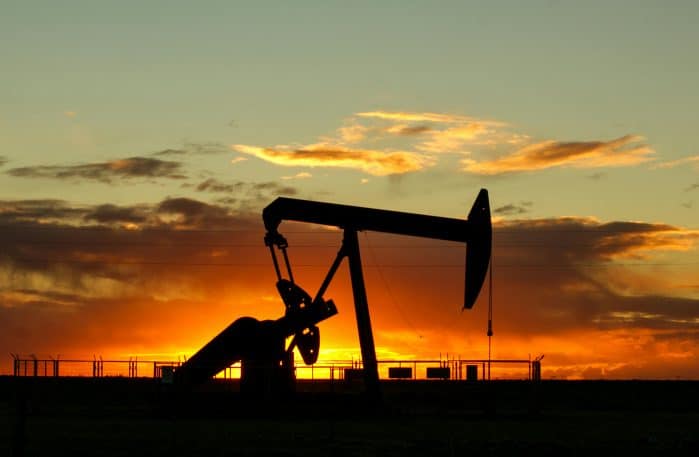
Financial giant Macquarie has issued a stark warning regarding the risk of an oil surplus driven by a potential diplomatic breakthrough between the United States and Iran. This geopolitical shift threatens to reshape global oil dynamics, potentially driving down prices and forcing a massive recalibration of international economic strategies.
A successful US-Iran deal could flood the market with supply, creating a surplus that disrupts current energy pricing models. As global markets react to these geopolitical tensions, the ripple effects could influence everything from inflation rates to long-term investment strategies in the energy and financial sectors.
This is a summarized and adapted version by Artificial Intelligence. To read the complete original story, visit the official source.
Read Full Article at Crypto BriefingSupport Jornal Bitcoin
Independent journalism, curated by AI, no clickbait. Keep the flame alive with any amount of BTC.
jonata@walletofsatoshi.comDaily Crypto Brief 📬
Subscribe to receive the curation of the most important Bitcoin and crypto news, summarized by AI. No spam.
Join more than 10,000 smart readers.
Related News

Beyond Chips: China's Massive AI Pivot and Why Crypto Markets Must Watch
As these geopolitical divides deepen, the crypto market faces a critical inflection point regarding its role as a neutral tech layer. The expansion of China's AI capabilities could force a reevaluation of how decentralized networks maintain autonomy amidst a fragmented global computing environment.

Tech Cold War: Beijing Vows Retaliation Against US AI Probes
As the U.S. intensifies its scrutiny of Chinese AI technology, the risk of retaliatory measures grows, potentially triggering a massive tech decoupling. The fallout could reshape international trade, impact high-level diplomatic engagements, and create significant volatility within the global technology sector.
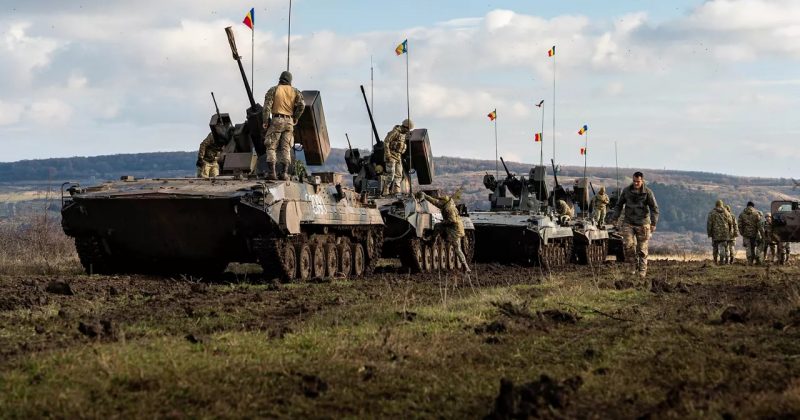
NATO-Russia Tensions Surge: Romania Expels Russian Diplomat Following Drone Shootdown
This escalation represents a critical turning point for NATO-Russia relations and regional security protocols. As diplomatic channels tighten, the potential for broader conflict increases, forcing a reassessment of defense postures and the fragile peace maintained along the European borders.
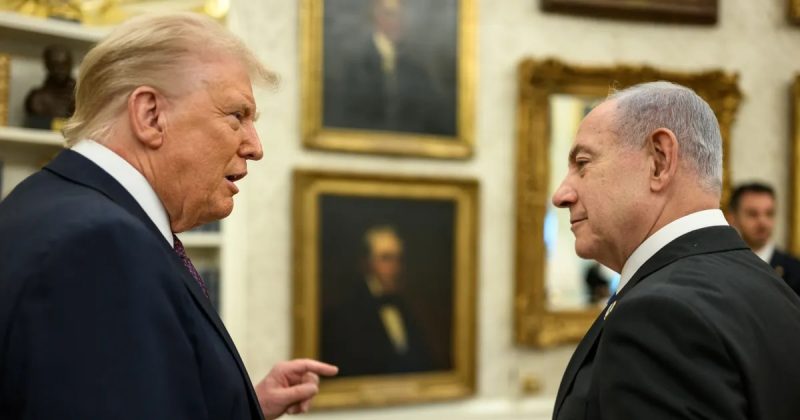
Geopolitical Shakeup: Trump and Netanyahu to Discuss Iran and Abraham Accords Expansion
This diplomatic maneuver carries profound implications for global stability and US-Iran relations. The outcome of these talks could dictate the future of regional alliances, creating a ripple effect that impacts both geopolitical security and the broader global political order.
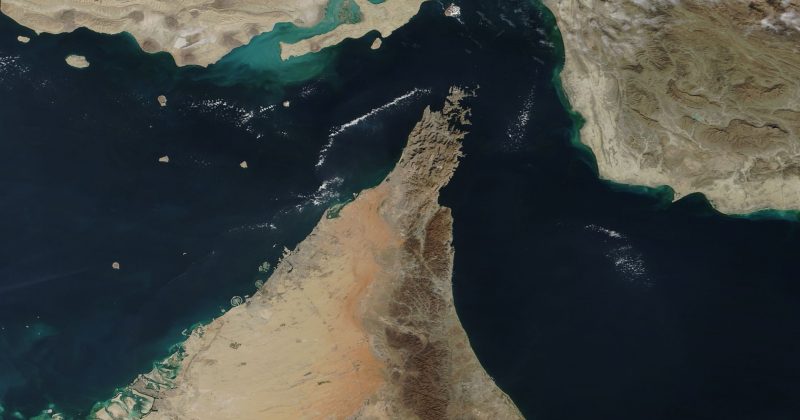
Geopolitical Flashpoint: Iran Rejects Proposal to Keep Strait of Hormuz Open During Oman Talks
This refusal is expected to send shockwaves through global oil markets, driving volatility in energy prices. Furthermore, the development forces a critical reassessment of U.S. policy regarding strategic maritime corridors, as the risk of supply chain disruptions and heightened military readiness grows.
EU Sanctions Crisis: Greece Vetoes 21st Russia Package, Forcing Strategic Pivot
This pivot toward more surgical economic measures could have ripple effects across various industries, including the crypto sector and digital asset markets. As the EU attempts to navigate these geopolitical hurdles, the potential for influential nations to negotiate specific exceptions remains a key variable in the evolving landscape of international sanctions.
