Liverpool Crushes Sunderland 4-2 in Nashville as Fan Token Integration Hits a Wall
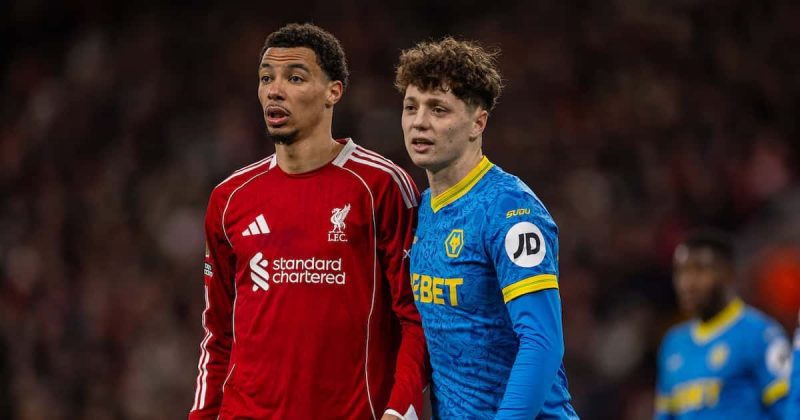
Liverpool secured a commanding 4-2 victory over Sunderland in a Nashville friendly, punctuated by a late strike from Lewis Koumas. Despite the high-energy atmosphere, the fan token sector remained a spectator, highlighting a widening gap between mainstream football entertainment and crypto utility.
This disconnect underscores a missed opportunity for clubs to leverage blockchain technology during high-profile international tours. As football continues to expand globally, the failure to integrate fan tokens effectively suggests that the synergy between sports fandom and digital assets is still struggling to find its footing.
This is a summarized and adapted version by Artificial Intelligence. To read the complete original story, visit the official source.
Read Full Article at Crypto BriefingSupport Jornal Bitcoin
Independent journalism, curated by AI, no clickbait. Keep the flame alive with any amount of BTC.
jonata@walletofsatoshi.comDaily Crypto Brief 📬
Subscribe to receive the curation of the most important Bitcoin and crypto news, summarized by AI. No spam.
Join more than 10,000 smart readers.
Related News
Ter Stegen to Ajax Loan Stalls Over Salary Issues: Why $BAR Holders Should Pay Attention
Crypto enthusiasts must monitor this closely as it directly affects the $BAR fan token ecosystem. Since the utility and market sentiment of the $BAR token are tied to Barcelona's institutional stability, these administrative hurdles could trigger increased volatility for investors tracking the intersection of football and blockchain assets.
AS Roma's Santiago Castro Pursuit Could Trigger Fan Token Market Volatility
The pursuit of Castro is expected to ripple through the fan token markets, potentially driving increased engagement and speculative interest in ASR tokens. As the club strengthens its squad, the intersection of football transfers and crypto-asset demand highlights the growing influence of fan tokens in the modern sports landscape.
Manchester United’s Post-Tezos Era: Is the Crypto Sponsorship Boom in Football Over?
This transition highlights the growing tension between high-stakes sports branding and the inherent volatility of the crypto market. The outcome of Manchester United's search for new backers will serve as a definitive signal for how blockchain companies navigate the complex landscape of elite football sponsorships moving forward.
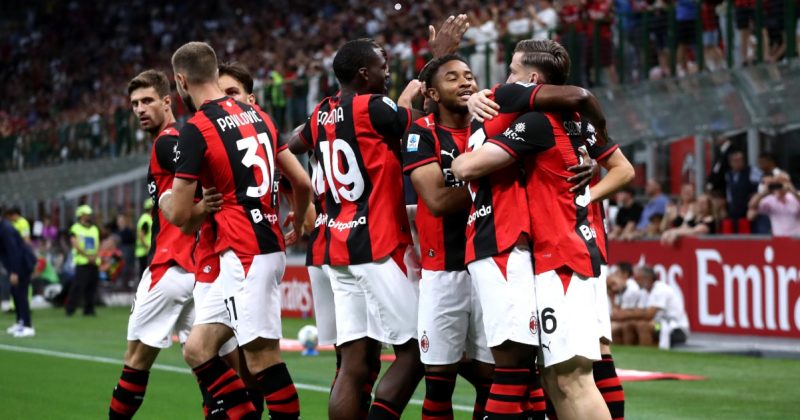
Crypto Strategy Under Fire: AC Milan Struggles on Pitch as Celtic Dominance Sparks Debate on Fan Tokens
This divergence in approach between the two clubs highlights a growing tension in football: the effectiveness of Web3 integration. As Celtic dominates the match, analysts are questioning whether AC Milan's heavy reliance on crypto sponsorships provides a competitive edge or merely creates a distraction during periods of sporting instability.
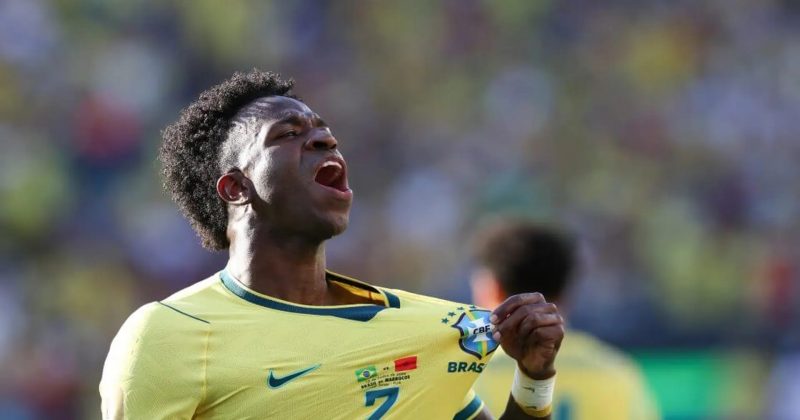
Liverpool Abandons Vinícius Júnior Pursuit: A Masterclass in Sports-Finance Strategy
By prioritizing long-term stability over high-profile volatility, the club is implementing a sophisticated sports-finance playbook. This approach underscores how data-driven decision-making and fiscal discipline are becoming the new standard for elite football organizations navigating complex global markets.
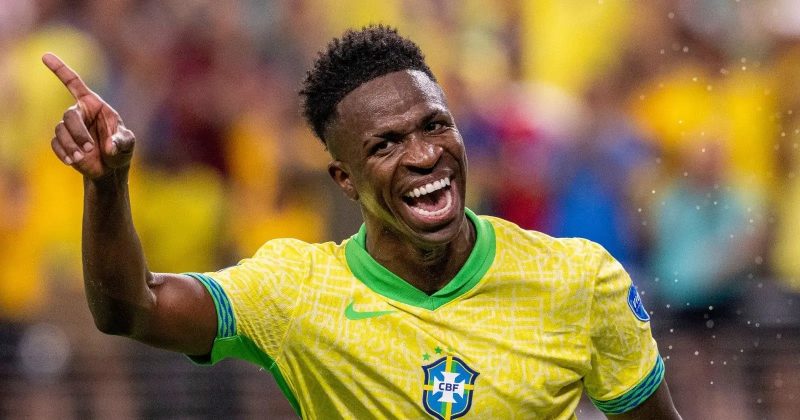
Transfer Chaos: How Arsenal’s Vinícius Júnior Interest Exposes Crypto’s Messy Link to Football Rumors
From the sudden emergence of unauthorized meme tokens to the broader impact of speculative hype, the connection between football news and crypto volatility is becoming increasingly messy. This trend highlights a growing challenge for the industry: distinguishing between legitimate blockchain integration and predatory schemes fueled by transfer window frenzy.
