Kuwait Secures Massive $16B Oil Pipeline Deal with Blackstone, Brookfield, and KKR
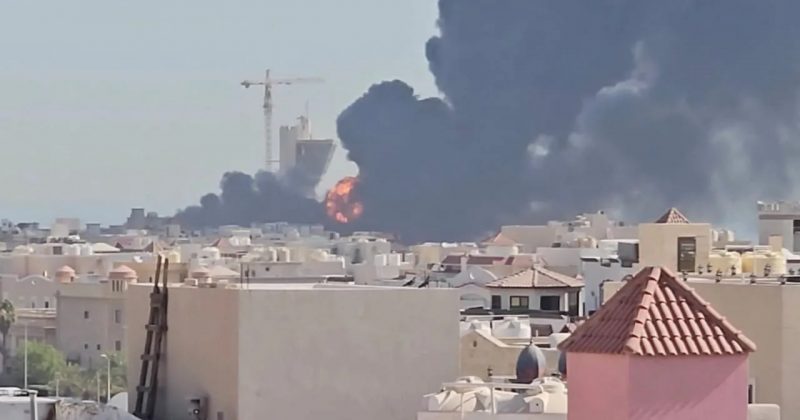
Kuwait has executed a landmark $16 billion oil pipeline lease agreement with global private equity titans Blackstone, Brookfield, and KKR. This unprecedented deal stands as the largest foreign investment in the nation's history, marking a decisive strategic shift toward aggressive capital attraction and institutional integration.
This massive influx of foreign capital is designed to bolster Kuwait's economic resilience amidst ongoing regional tensions. By partnering with world-class asset managers, the nation is positioning itself to modernize its energy infrastructure and diversify its economic foundation beyond traditional state-led models.
The deal is expected to transform Kuwait's energy landscape, leveraging the massive scale of global investment firms to secure long-term economic stability and infrastructure modernization.
This is a summarized and adapted version by Artificial Intelligence. To read the complete original story, visit the official source.
Read Full Article at Crypto BriefingSupport Jornal Bitcoin
Independent journalism, curated by AI, no clickbait. Keep the flame alive with any amount of BTC.
jonata@walletofsatoshi.comDaily Crypto Brief 📬
Subscribe to receive the curation of the most important Bitcoin and crypto news, summarized by AI. No spam.
Join more than 10,000 smart readers.
Related News

AI Revolution: Anthropic and OpenAI Outpace Starbucks and McDonald’s with $120B Revenue Surge
This massive surge in market valuation signals a rapid migration of capital toward AI infrastructure. As the economic influence of artificial intelligence continues to expand, traditional consumer dynamics face a direct challenge, establishing AI as the primary driver of global growth and reshaping revenue expectations for the coming decade.
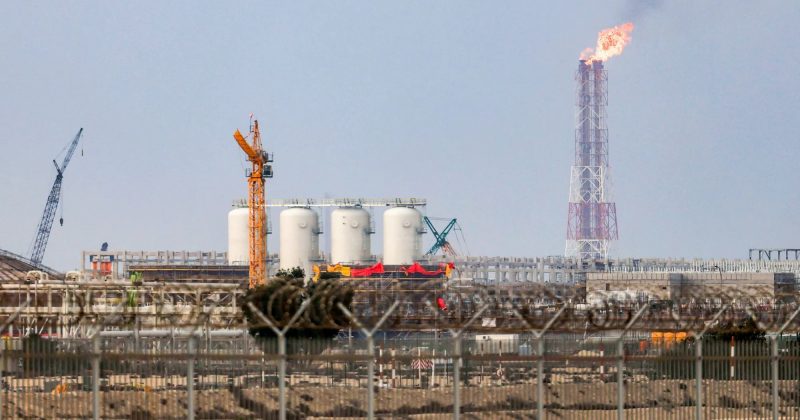
Energy Crisis: Iran Loses 230M Cubic Meters of Gas Amid US Conflict
The consequences of this production loss could trigger severe volatility in oil prices and energy commodities. As the conflict with the US intensifies, the resulting instability in the Middle East poses a direct threat to global economic stability and energy security.

CZ Calls for Crypto License 'Passporting' Across ASEAN to Slash Red Tape
This proposed regional framework aims to tackle the high compliance costs and market fragmentation that currently hinder the growth of digital asset services. By implementing license portability, the ASEAN region could significantly boost competition and streamline the operations of crypto and stablecoin providers throughout Southeast Asia.
Geopolitical Calm: US-Iran Tensions Ease, Sending Oil Prices Lower
As tensions remain low for the fourth consecutive night, the likelihood of sudden price spikes has diminished significantly. This stabilization offers a window for market participants to reassess macroeconomic trends without the immediate threat of conflict-driven supply disruptions.
Red Sea Oil Blockade: Asia's Energy Crisis Threatens Global Market Stability
The long-term consequences of this blockade could permanently reshape global oil markets and future pricing dynamics. As energy scarcity intensifies, the impact extends far beyond Asia, posing a significant risk to international financial stability and global trade logistics.

Oil Prices Slump as Geopolitical Tensions Ease: Will the Fed Pivot?
The perceived pause in the US-Israel-Iran conflict is the primary driver behind this market shift, directly impacting how the Federal Reserve (Fed) might approach future interest rate decisions. As geopolitical tensions fluctuate, the correlation between commodity prices and central bank policy remains a critical focal point for market stability.
