Red Alert: Kremlin Crushes Peace Optimism Following High-Stakes Manila Meeting
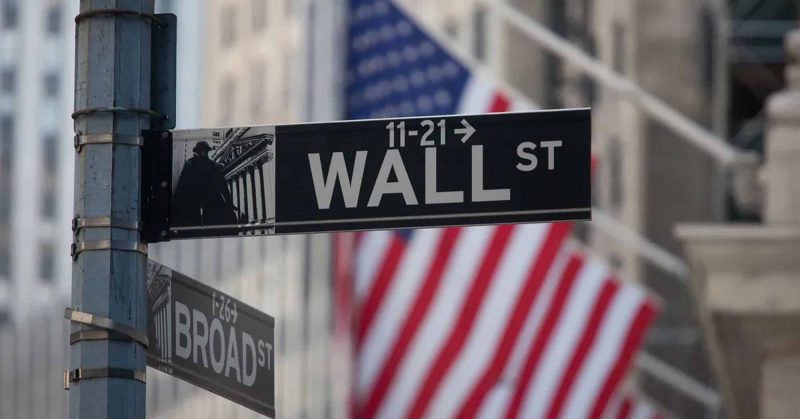
The Kremlin has issued a stern warning against premature optimism regarding peace negotiations following the strategic meeting between Rubio and Lavrov in Manila. This display of geopolitical skepticism underscores that underlying tensions remain unresolved, complicating any immediate diplomatic breakthroughs.
This development carries significant weight for global stability and market perceptions, as geopolitical friction often dictates risk appetite. Investors should prepare for heightened volatility, as the Kremlin's stance suggests that the path to resolution remains fraught with complexity and unpredictable shifts in international relations.
This is a summarized and adapted version by Artificial Intelligence. To read the complete original story, visit the official source.
Read Full Article at Crypto BriefingSupport Jornal Bitcoin
Independent journalism, curated by AI, no clickbait. Keep the flame alive with any amount of BTC.
jonata@walletofsatoshi.comDaily Crypto Brief 📬
Subscribe to receive the curation of the most important Bitcoin and crypto news, summarized by AI. No spam.
Join more than 10,000 smart readers.
Related News
Geopolitical Friction: Iran Slams US Focus on 2028 Election Amid Stalled Talks
Adding complexity to the situation, reports suggest that Iran reconstruction funding under a potential 2026 deal is being discussed with a 28.5% benchmark. As geopolitical tensions rise, market participants are closely watching how this friction between major powers will influence liquidity and long-term economic forecasting in an increasingly fragmented world.
Middle East Escalation: Likud MK Hints at Potential Israeli Strike on Iran
Amidst the threat of conflict, reports have surfaced regarding long-term diplomatic discussions, specifically a potential US-Iran deal in 2026 that could involve 28.5% funding for Iranian reconstruction. The ongoing friction between Israel and Iran remains a primary driver of market uncertainty and macro-economic shifts.
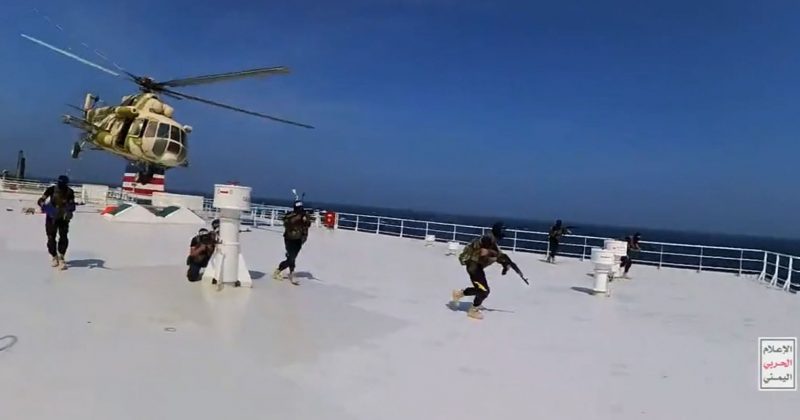
Red Sea Crisis: Houthi Attacks Double Shipping Insurance Costs as Strait Faces Closure
This sudden spike in operational expenses and the potential shutdown of a vital waterway are set to disrupt global supply chains and drive up inflation. As shipping routes become increasingly hazardous, the market is bracing for significant logistical shifts and heightened volatility across global economic sectors.
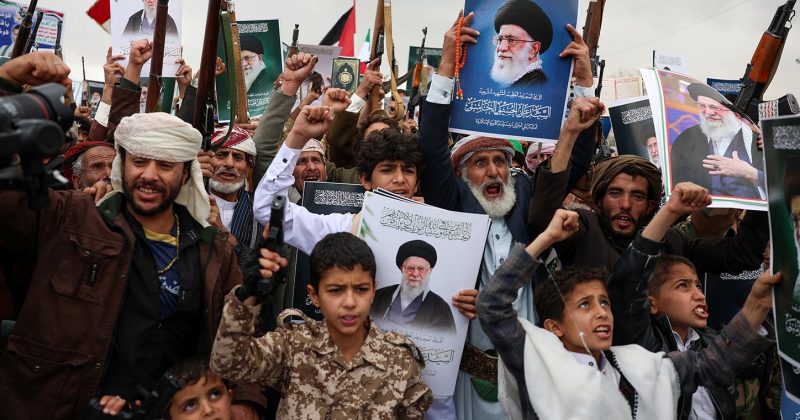
Middle East Escalation: Iran Flies IRGC Commanders and Missile Gear to Yemen’s Houthis
The strategic deployment heightens the threat of imminent Houthi military actions against Israel. As the geopolitical landscape shifts, the potential for intensified conflict poses a direct risk to global stability and could trigger significant volatility across both traditional and digital asset markets.
Oil Surge: Why Bitcoin Dropped Below $65,000
As oil prices climb, market observers like Peter Schiff suggest that the shift in commodity strength could reshape investor sentiment. The current volatility highlights the complex relationship between traditional energy markets and the digital asset ecosystem, leaving Bitcoin traders on high alert for further price fluctuations.

Oil Price Surge: Middle East Tensions and Shipping Threats Trigger Inflation Fears
Experts warn that this volatility could significantly exacerbate inflation and force central banks to pivot their monetary policies. The potential disruption to shipping lanes poses a direct threat to global economic stability, creating a ripple effect that could impact everything from supply chains to long-term market growth.
