Kraken Disrupts Derivatives Market with USD-Settled BTC and ETH Options (No Crypto Collateral Needed)
Kraken is shaking up the institutional landscape by launching USD-settled Bitcoin and Ethereum options that require zero crypto collateral. This move provides a streamlined pathway for traditional finance players to engage with crypto derivatives without the complexity of managing native digital assets as margin.
Scheduled to go live on July 16, these cash-settled options are engineered to bridge the gap between fiat liquidity and crypto volatility. By removing the requirement for crypto-based collateral, Kraken is positioning itself as a primary gateway for institutional traders seeking sophisticated exposure to the world's largest digital assets.
Kraken has officially announced the launch of USD-settled, cash-settled Bitcoin and Ethereum options, specifically designed to eliminate the need for crypto collateral. This strategic product launch targets institutional traders who require more efficient capital management and direct fiat-to-derivative integration.
Starting July 16, the new options will allow participants to hedge or speculate on BTC and ETH price movements using USD as the primary settlement asset, significantly lowering the barrier to entry for traditional institutional capital entering the crypto derivatives space.
This is a summarized and adapted version by Artificial Intelligence. To read the complete original story, visit the official source.
Read Full Article at Crypto BriefingSupport Jornal Bitcoin
Independent journalism, curated by AI, no clickbait. Keep the flame alive with any amount of BTC.
jonata@walletofsatoshi.comDaily Crypto Brief 📬
Subscribe to receive the curation of the most important Bitcoin and crypto news, summarized by AI. No spam.
Join more than 10,000 smart readers.
Related News

The $900 Million Mistake: The Man Who Lost Everything in a Landfill and His 12-Year Battle for Bitcoin
After twelve years of relentless pursuit, the legal system has delivered a crushing blow by refusing his appeal to excavate the Docksway landfill. With the High Court's recent decisions, the fate of these lost Bitcoins remains sealed, highlighting the extreme risks of self-custody and the permanent nature of the blockchain technology.

Aurora Network Crisis: Mainnet Offline as TVL Plummets 99% from Peak
The financial fallout is staggering, with the Aurora TVL crashing 99% from its all-time high of $2.5 billion. This massive liquidity drain highlights the extreme volatility and systemic risks currently facing the NEAR-based scaling solution.

Allbridge Exploit: $2M Stolen as Hackers Bridge Funds from Solana to Ethereum
This breach underscores the ongoing security risks faced by cross-chain bridges and interoperability protocols. By swapping the stolen funds into ETH after the bridge transfer, the attacker aims to obfuscate the trail, highlighting a critical need for enhanced security measures within the decentralized finance landscape.

Allbridge Core Halts Operations Following $1.65M Cross-Chain Bridge Exploit
Technical analysis suggests the attacker leveraged a flash loan and rapid swaps to manipulate stablecoin exchange rates. Once the funds were extracted from Solana, the perpetrator bridged the stolen assets to Ethereum and funneled them into privacy pools to obfuscate the trail.

Geopolitical Escalation: Iran Strikes US Aircraft in Jordan Using Ballistic Missiles
Such high-stakes military maneuvers inevitably trigger massive volatility across global markets, including the crypto sector. As the world watches for a US response, the intersection of geopolitical warfare and market stability remains a primary concern for institutional investors and retail traders alike.
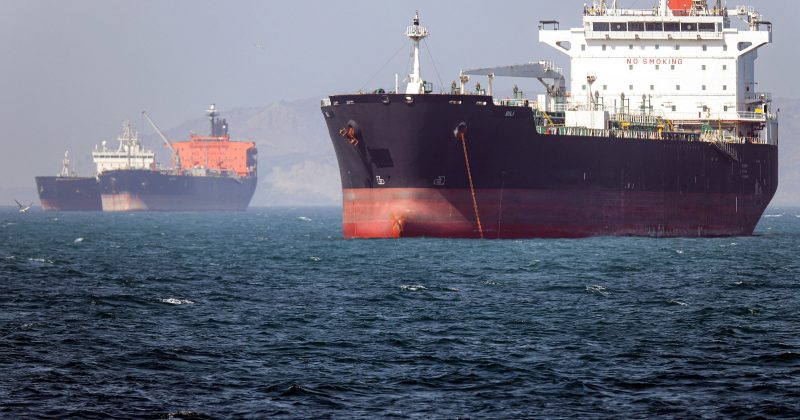
Geopolitical Flashpoint: Iran Targets Oil Tankers in Strait of Hormuz Amid 2026 Crisis Fears
While maritime traffic reportedly returned to normal by August 31, the strike is being viewed through the lens of a looming 2026 crisis. The strategic importance of the Strait of Hormuz means that any disruption carries heavy implications for global inflation and energy security, forcing a re-evaluation of risk management in an increasingly unstable world.
