Keyrock adquire Blockfills, banco falido, em aquisição aprovada por tribunal

O fundo de investimento Keyrock, sediado em Bruxelas, avança na aquisição do banco falido Blockfills, sediado em Chicago. A operação, sujeita à aprovação judicial, marca uma movimentação significativa no cenário de recuperação de ativos no mercado de criptoativos. A compra ocorre meses após a Blockfills ter entrado com pedido de proteção contra falência sob o Capítulo 11 nos EUA, visando potencialmente preservar a operação e ativos do banco, refletindo a estratégia de absorção de empresas em dificuldades financeiras pelo setor de criptomoedas.
This is a summarized and adapted version by Artificial Intelligence. To read the complete original story, visit the official source.
Read Full Article at CoinDeskSupport Jornal Bitcoin
Independent journalism, curated by AI, no clickbait. Keep the flame alive with any amount of BTC.
jonata@walletofsatoshi.comDaily Crypto Brief 📬
Subscribe to receive the curation of the most important Bitcoin and crypto news, summarized by AI. No spam.
Join more than 10,000 smart readers.
Related News
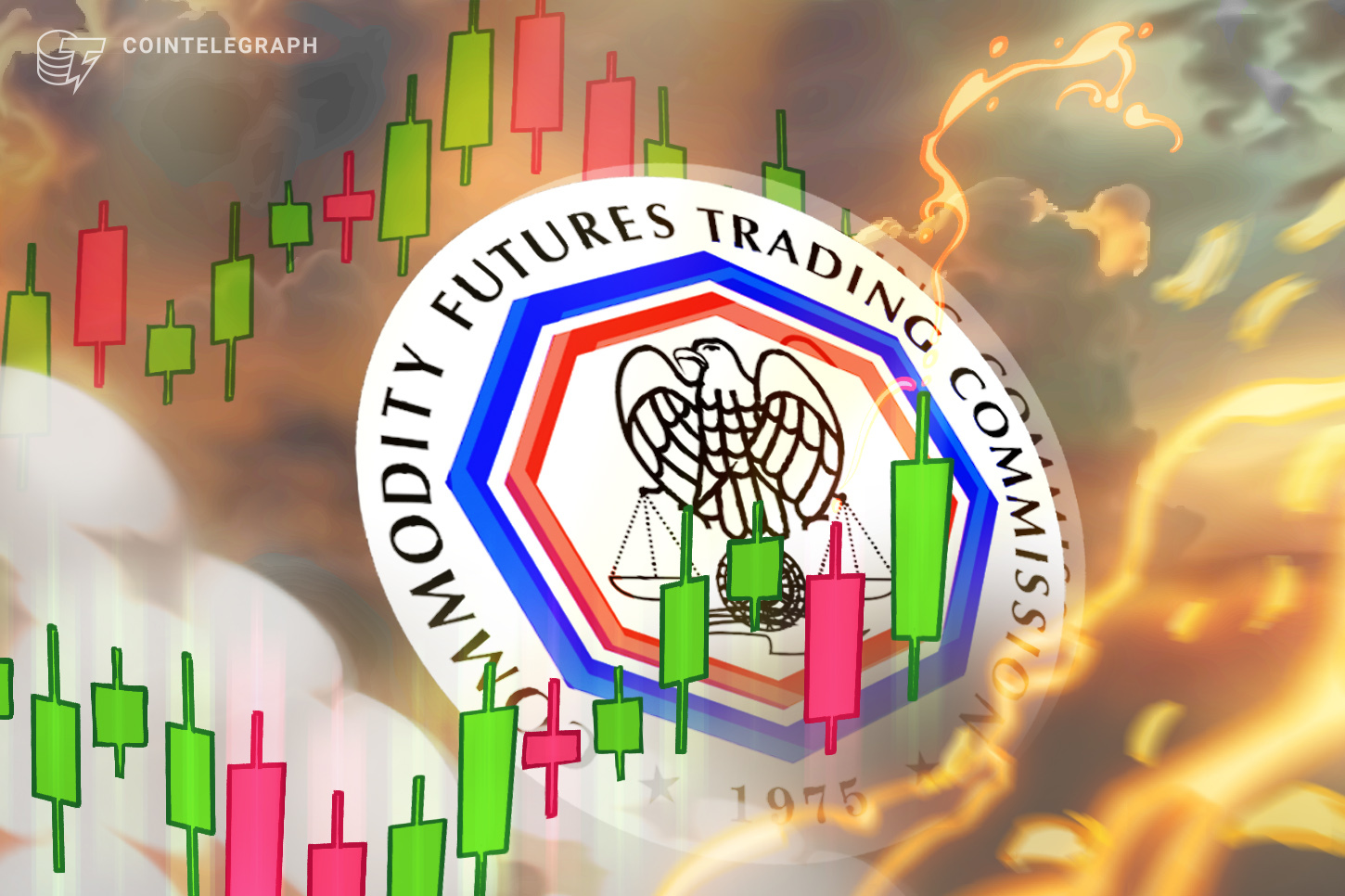
CLARITY Act: The Key to Empowering the CFTC Against Prediction Market Surge
By granting additional oversight powers, the proposed Digital Asset Market Clarity (CLARITY) Act aims to bolster market integrity. This legislative move is seen as essential for regulating high-growth platforms like Polymarket and Kalshi, ensuring robust customer protections in the evolving digital asset landscape.
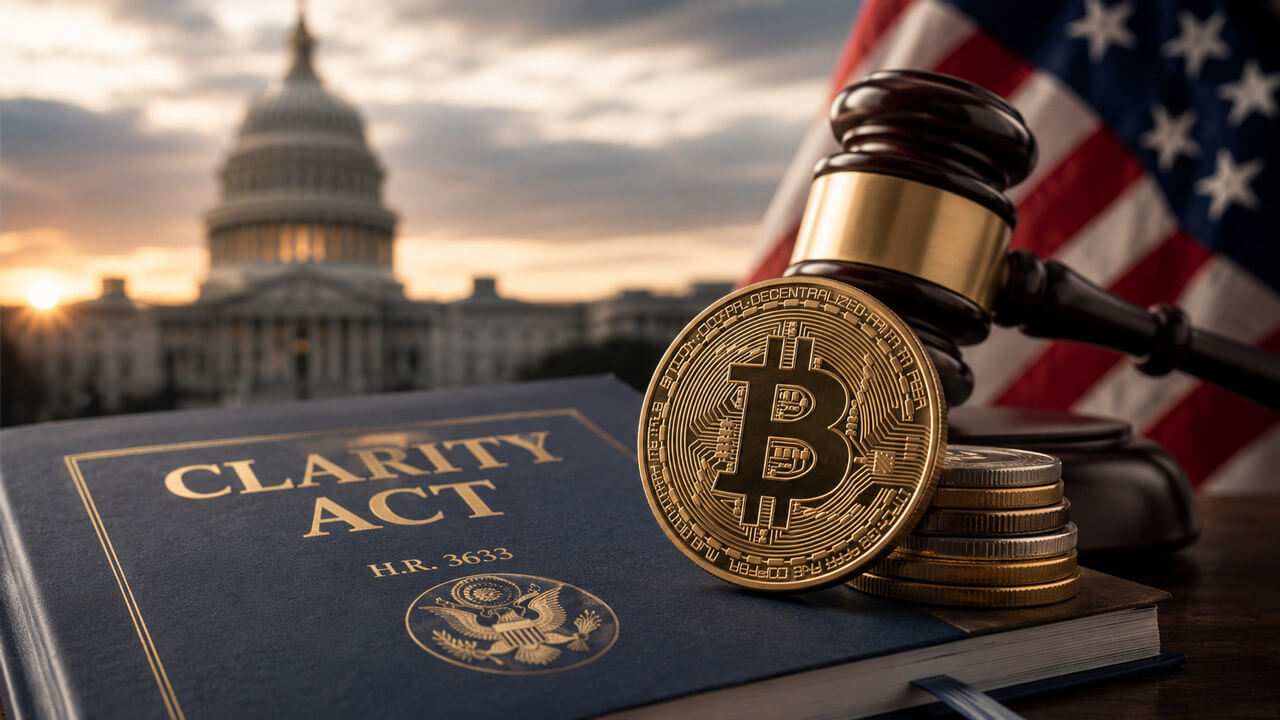
Senator Lummis Clarifies: 'Your Crypto Stays Yours'—But Bankruptcy Protections Have Limits
Despite this optimistic outlook, the legislative framework contains significant caveats, specifically regarding Section 701. While this section seeks to place qualifying assets under Chapter 7 customer-property rules, the ultimate safety of your holdings will still hinge on complex classification and title-transfer clauses during bankruptcy proceedings.
Crypto Clarity Act Stalls as Democrats Push Back Against Trump-Backed Ethics Deal
This friction highlights the deep political divide over how digital assets should be governed and who should be restricted from trading them. As negotiations continue, the industry remains in a state of limbo, waiting to see if a compromise can be reached to provide the regulatory certainty the crypto market desperately needs.
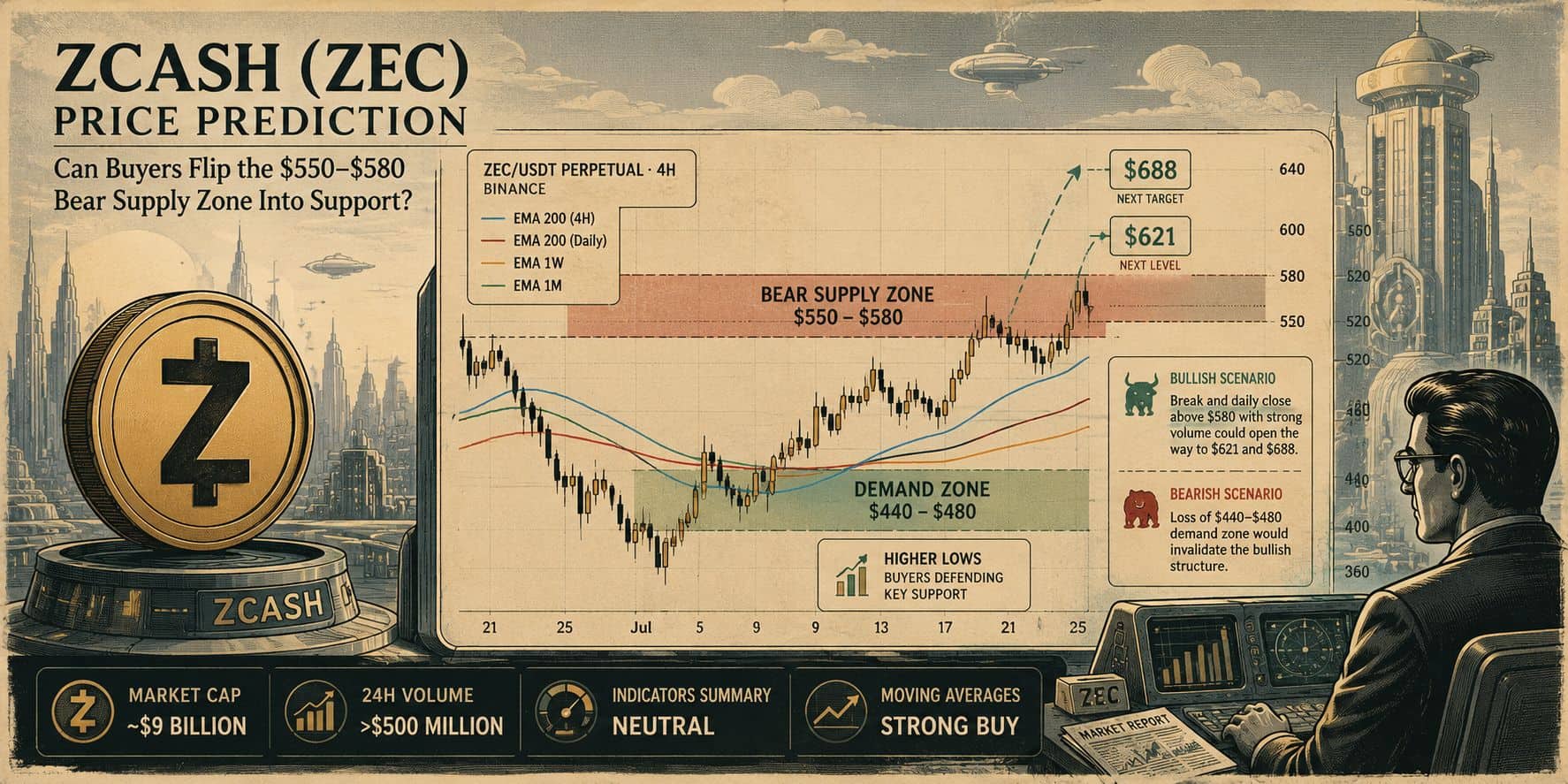
Zcash (ZEC) Price Showdown: Can Buyers Flip the $550–$580 Supply Zone into Support?
This technical battle is a high-stakes moment for ZEC holders and traders alike. Successfully converting this resistance into support would validate the current bullish momentum, potentially shifting the long-term market structure and paving the way for a significant breakout in the cryptocurrency's price action.
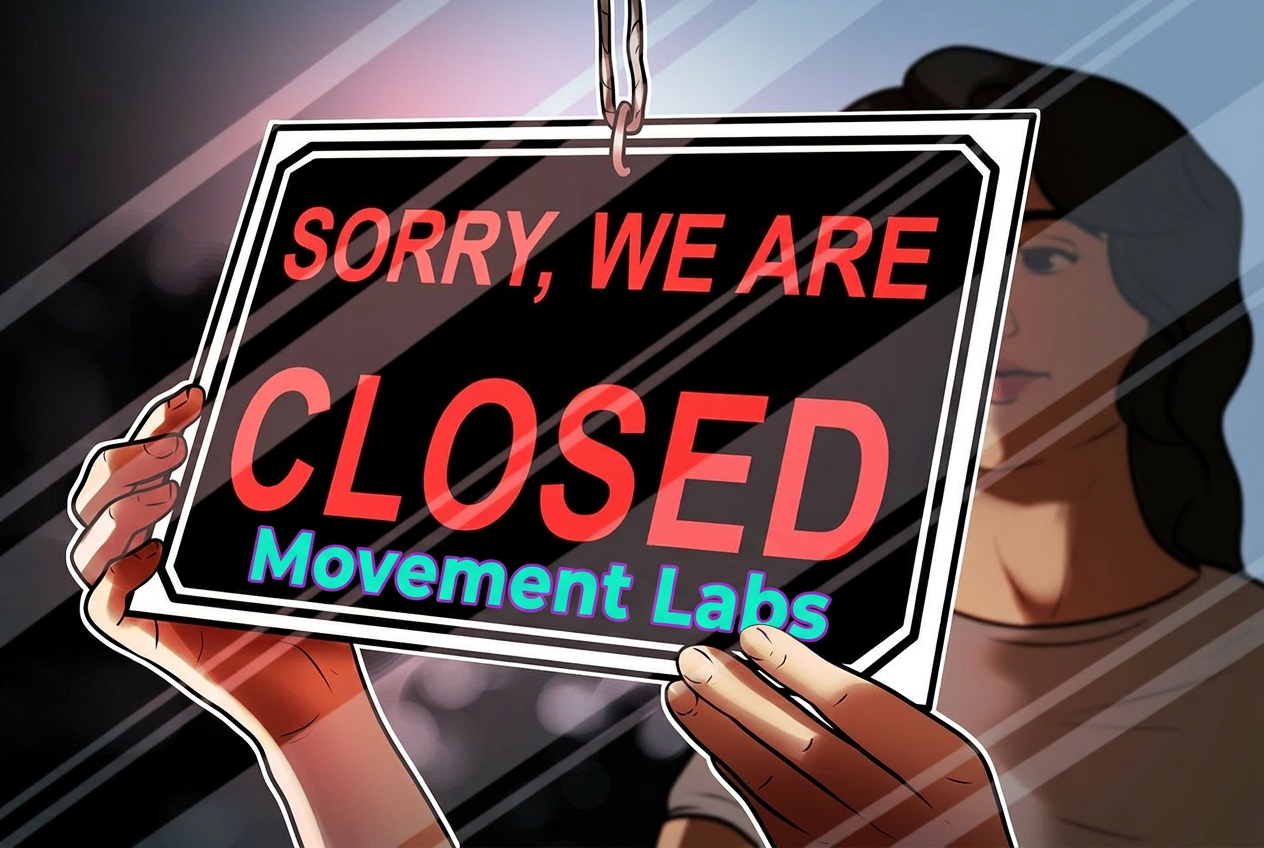
Movement Labs Files for Chapter 11 Bankruptcy Amid MOVE Token Chaos and Scandal
The downfall follows a series of catastrophic events, including a market-making scandal, the suspension of a co-founder, and widespread exchange delistings. By utilizing the Subchapter V streamlined reorganization process, the firm aims to secure debtor-in-possession financing to maintain essential operations while navigating this legal minefield.

Staking Trap? BitMine Derives 98% of Revenue from Staking Amid Decade-Long Contract Lock-in
The complexity arises from the protections afforded to the Ethereum Tower, which can retain a 2% interest rate or elect for formula-based payments following a covered termination. This intersection of high staking revenue and rigid long-term contracts presents a unique risk profile for stakeholders navigating the crypto landscape.
