U.S. charges in Nijjar killing case send Polymarket to 72.5% on Hormuz fees

Intel Brief: U.S. charges in the Nijjar killing case sparked renewed geopolitical risk pricing—and Polymarket jumped to 72.5% in a market tied to Hormuz fees.
The catalyst matters because Hormuz fees are often used to reflect immediate energy and trade route impacts, which can ripple into broader market expectations around price and liquidity. As Polymarket updates these odds, traders are watching how high-stakes legal developments can quickly translate into crypto prediction markets.
This is a summarized and adapted version by Artificial Intelligence. To read the complete original story, visit the official source.
Read Full Article at Blockchain.newsSupport Jornal Bitcoin
Independent journalism, curated by AI, no clickbait. Keep the flame alive with any amount of BTC.
jonata@walletofsatoshi.comDaily Crypto Brief 📬
Subscribe to receive the curation of the most important Bitcoin and crypto news, summarized by AI. No spam.
Join more than 10,000 smart readers.
Related News

GOP Plans $8M Ad Blitz as Polymarket Keeps Newsom Stuck at 18.2%
This high-stakes blitz is designed to shape the political landscape well in advance of the next cycle. By leveraging insights from prediction markets, the GOP aims to capitalize on Newsom's lack of momentum and establish a dominant position in the race for the next presidency.

Rate Hike Alert: RBNZ Climbs to 2.50% as Polymarket Bets on 2026 Fed Increase
Adding to the tension, Polymarket data reveals a 49.5% probability of a Federal Reserve rate hike occurring in 2026. As these predictive markets fluctuate, the potential for continued high interest rates continues to shape the long-term outlook for liquidity and risk assets.

Oil Surge: US Revokes Iran Sanctions Waiver as Polymarket Predicts Massive UK Political Shift
Simultaneously, political volatility is peaking as Polymarket keeps the exit odds for Keir Starmer at a staggering 97.2%. The convergence of energy supply shocks and high-stakes political forecasting underscores a period of intense global instability.

Oil Prices Surge as US Strikes on Iran Fuel Strait of Hormuz Tensions
This heightened market volatility suggests a looming surge in crude prices, with experts predicting potential record highs by year-end. As geopolitical risks escalate, the ripple effects could significantly impact global inflation and broader financial stability.
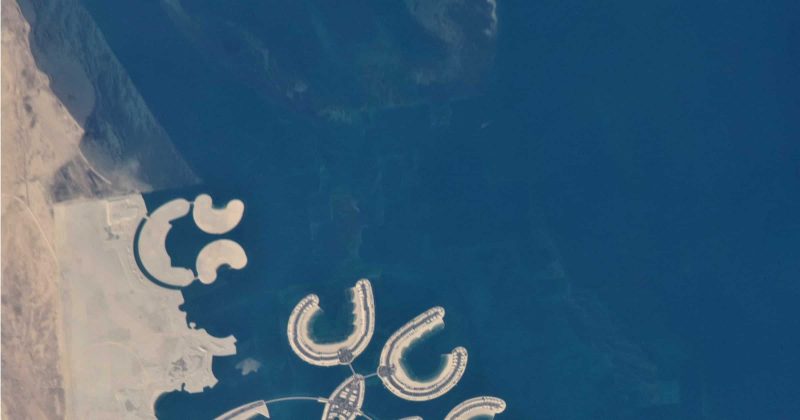
Geopolitical Flashpoint: US Military Aircraft Spotted Over Persian Gulf Following Iranian Strikes
As the situation evolves, the potential for broader conflict necessitates urgent international diplomatic interventions. Investors should prepare for heightened volatility, as the destabilization of this key corridor could have profound consequences for both traditional finance and the digital asset landscape.

Gold Dips as US-Iran Tensions Send Oil Prices Soaring and Fuel Rate Hike Bets
This surge in energy costs poses a significant risk of fueling inflation, which could complicate the Federal Reserve's path forward. As traders increase their bets on potential rate hikes to combat rising prices, the intersection of oil volatility and monetary policy remains a critical focal point for global markets.
