US Interest Rates Surge, Devastating Wall Street Amid Fiscal Crisis

Long-term US interest rates have surged once again, despite the US Treasury's repurchase activities, causing significant declines across all three major New York indices. This renewed spike in Treasury yields exposes the market's fragility and America's growing fiscal dilemma, as investors desperately search for stability in an increasingly volatile financial landscape.
The current situation reflects mounting tension between the Federal Reserve's monetary policies and the US government's fiscal needs. With markets in panic, analysts predict that volatility could intensify in the coming weeks, especially if the Treasury fails to contain pressure on long-term interest rates. This scenario presents a significant challenge to global economic recovery and may force the Federal Reserve to reconsider its monetary policy approach amid rising inflationary pressures and increasing US public debt.
This is a summarized and adapted version by Artificial Intelligence. To read the complete original story, visit the official source.
Read Full Article at BlockTrendsSupport Jornal Bitcoin
Independent journalism, curated by AI, no clickbait. Keep the flame alive with any amount of BTC.
jonata@walletofsatoshi.comDaily Crypto Brief 📬
Subscribe to receive the curation of the most important Bitcoin and crypto news, summarized by AI. No spam.
Join more than 10,000 smart readers.
Related News

CME, Kalshi Execs Clash in Heated DC Showdown Over Prediction Markets
The heated exchange between Duffy and Lara underscores the growing tensions in the global financial landscape, where established institutions like CME Group push for stringent regulations to protect traditional markets, while innovative companies like Kalshi seek to advance through prediction market technologies. This confrontation transcends corporate rivalry, pointing toward a future where financial regulation and technological innovation must find a delicate balance to benefit both investors and consumers.
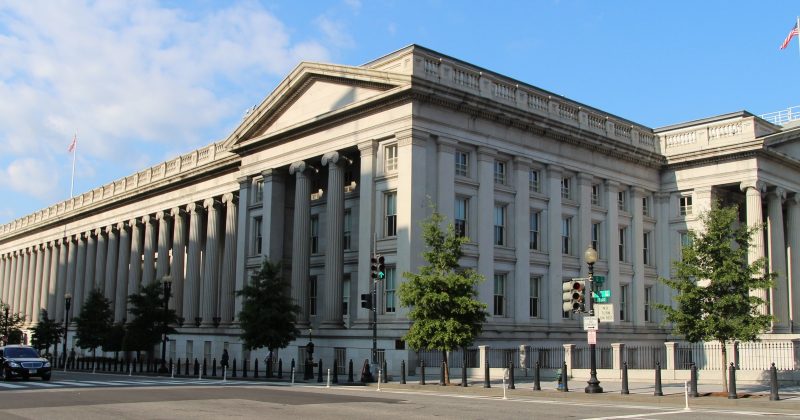
US Treasuries in free fall as Trump's bond buyback spree sparks debt crisis fears
The Treasury price drop reflects growing fears about America's ability to honor its financial commitments, with potentially devastating consequences for future fiscal policies and worldwide market stability. Analysts warn that this buyback policy could create an artificial bubble and accelerate dollar depreciation, directly impacting the global cryptocurrency and digital asset markets.

US Debt Hits $40 Trillion: Gold Soars 0.57% Amid Record Highs
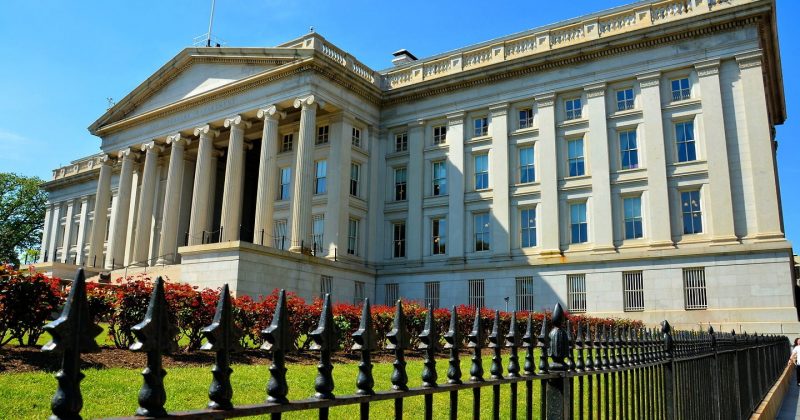
Treasury accepts $1.86B in buyback offers, plans to double future operations
The expansion of Treasury buyback operations has the potential to enhance market liquidity, stabilize bond pricing, and reduce systemic stress across asset classes. For cryptocurrency investors, this development is particularly relevant as it could influence capital flows and digital asset volatility. The measure signals increased government intervention in financial markets, with potential long-term effects on the crypto ecosystem.
US debt tops $40T, sparking debate on what it means for Bitcoin as digital gold
Context and Impact: This debt milestone coincides with a Treasury move to calm a bond selloff that's pushed long-term yields to their highest levels since 2007, creating a complex scenario where Bitcoin's narrative as an alternative store of value gains traction against traditional financial system instability, particularly as Treasury Secretary Scott Bessent announces doubling of 10- to 30-year debt buybacks to at least $4 billion per operation, initially pushing yields and the US dollar lower while Bitcoin and gold rallied.

Citigroup turns bearish on US dollar amid Fed policy shift
The forecast of dollar weakness, expressed in USD terms, could benefit US multinational corporations and emerging economies, while simultaneously complicating the Fed's efforts to control inflation. Cryptocurrency investors should closely monitor this scenario, as a weaker dollar traditionally boosts alternative digital assets, while Fed rate decisions will continue to influence risk appetite in the global market.
