CoinTelegraph

NY Judge Denies CFTC's Attempt to Block Kalshi Enforcement Action

August 4, 202604:49 AM
NY Judge Denies CFTC's Attempt to Block Kalshi Enforcement Action

Judge Jed S. Rakoff denied without prejudice an emergency Commodity Futures Trading Commission (CFTC) request for a temporary restraining order that would have blocked New York from pursuing its enforcement case against prediction market operator Kalshi. The ruling leaves New York's case against Kalshi in place while allowing the CFTC to renew its request before Judge Victor Marrero on Friday, Aug. 7. This legal battle represents a significant challenge for the cryptocurrency and prediction market industry, with the New York State Gaming Commission having issued Kalshi a cease-and-desist order in October 2025.

This is a summarized and adapted version by Artificial Intelligence. To read the complete original story, visit the official source.

Read Full Article at CoinTelegraph
QR Code Lightning

Support Jornal Bitcoin

Independent journalism, curated by AI, no clickbait. Keep the flame alive with any amount of BTC.

Wallet of Satoshi
jonata@walletofsatoshi.com

Daily Crypto Brief 📬

Subscribe to receive the curation of the most important Bitcoin and crypto news, summarized by AI. No spam.

Join more than 10,000 smart readers.

Related News

George Santos Settles CFTC Case, Banned from Trading for 3 Years After Manipulating His Own Market
Bitcoin.com

George Santos Settles CFTC Case, Banned from Trading for 3 Years After Manipulating His Own Market

Former U.S. Rep. George Santos will pay $35,069.98 and accept a three-year trading ban to settle CFTC findings that he manipulated a Kalshi market tied to his own State of the Union attendance. The former congressman first profited from 'Yes' contracts before switching to 'No' positions while continuing to publicly state he planned to attend the event. The George Santos settlement sends a strong message about market manipulation and the CFTC's enforcement capabilities. The three-year trading ban represents a significant penalty for the embattled politician, who already faces multiple other legal challenges. For Kalshi, the prediction market platform, this case adds to regulatory scrutiny, while serving as a warning to other public figures about the consequences of attempting to manipulate financial markets for personal gain.
Casino Lobby Behind NY Lawsuit Against Kalshi, CEO Claims

Bitcoin.com

Casino Lobby Behind NY Lawsuit Against Kalshi, CEO Claims

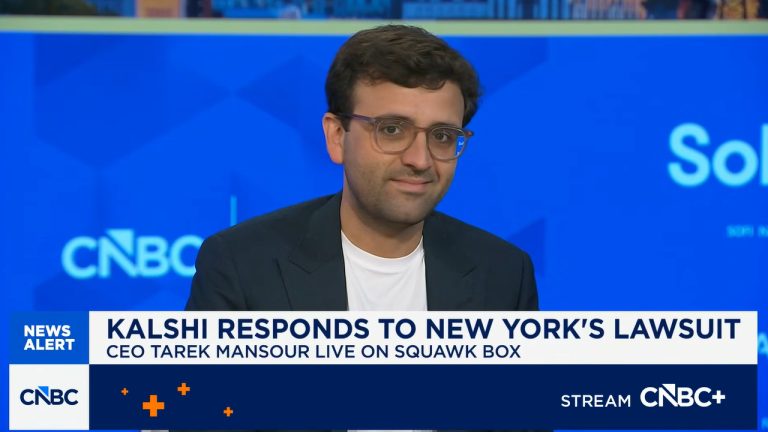
Tarek Mansour, CEO of Kalshi, reveals that legal actions by the state of New York against his platform are being fueled by the gambling industry lobby. The executive warns that if New York takes down Kalshi, 'they're gonna have a lot of pissed off New Yorkers,' suggesting significant backlash from local users. The prediction platform is at the center of a regulatory battle that pits established interests against innovation in the crypto and decentralized finance sector. Mansour argues his company offers a legitimate alternative to the traditional gambling market, which is now attempting to eliminate competition through regulatory pressure.
World Cup Ignites Prediction Markets with $54B in Explosive July Trading
Bitcoin.com★ Featured

World Cup Ignites Prediction Markets with $54B in Explosive July Trading

Prediction markets exploded in July, fueled by the 2026 FIFA World Cup, with a staggering $54 billion in trading volume. Millions of traders flocked to specialized platforms to wager on match outcomes and tournament milestones, setting new records across trading volume, fees, transactions, and open interest in the rapidly growing financial sector.

This surge in activity positions prediction markets as one of the fastest-growing segments in global finance, attracting unprecedented capital and attention. The ability to trade contracts tied to future outcomes demonstrates the disruptive potential of these platforms, which are reshaping how investors and sports enthusiasts engage with events in real-time.

Bernstein Warns: CLARITY Act Failure Could Speed Up SEC, CFTC Rulemaking
Crypto Briefing

Bernstein Warns: CLARITY Act Failure Could Speed Up SEC, CFTC Rulemaking

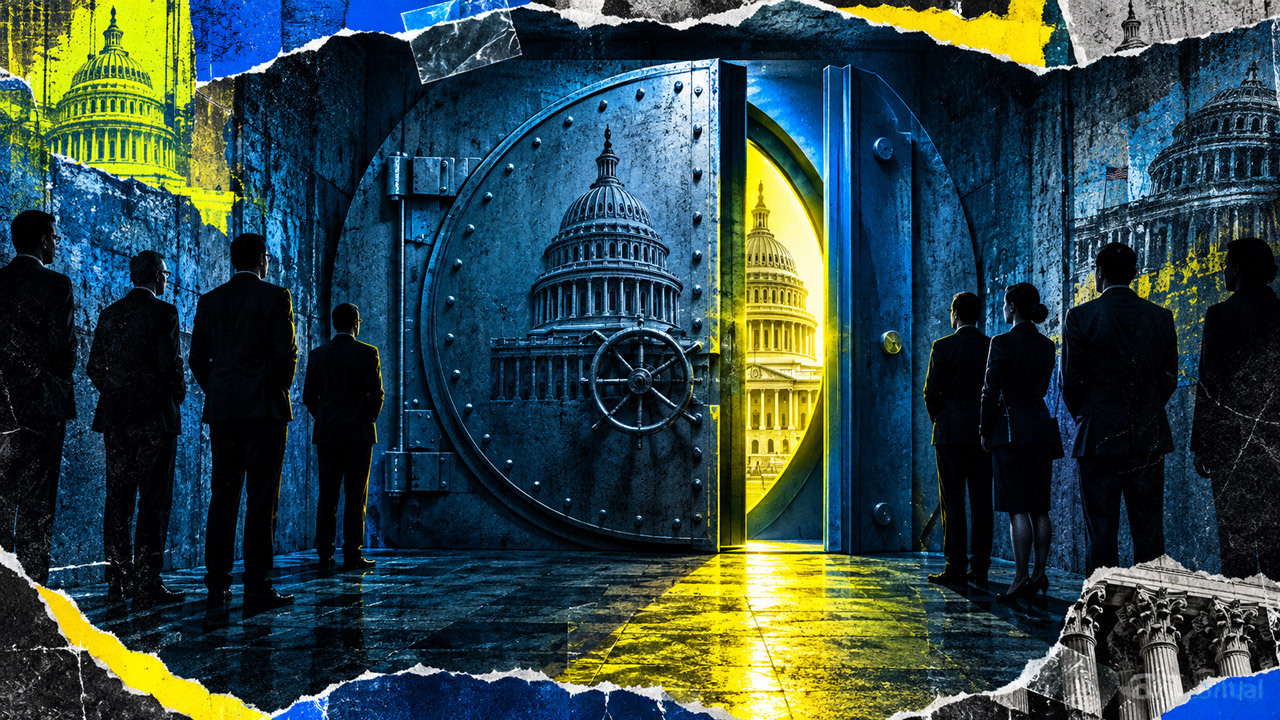
Bernstein's analysis reveals that the failure of the CLARITY Act could significantly accelerate the SEC and CFTC rulemaking process, bringing regulatory clarity and boosting market confidence in the cryptocurrency sector. This crucial development comes at a time of regulatory uncertainty for the crypto asset industry, where the lack of clear guidelines has been a barrier to institutional adoption. While accelerated regulation may present short-term challenges, it could establish a more predictable and attractive environment for investors and businesses in the long run.
Five days, 30% chance, and battle over Trump's crypto profits: Inside Senate's scramble to pass CLARITY Act before Friday

CryptoSlate★ Featured

Five days, 30% chance, and battle over Trump's crypto profits: Inside Senate's scramble to pass CLARITY Act before Friday

The CLARITY Act faces its decisive week in the Senate before the August recess, with just five days remaining and only a 30% chance of passage according to prediction markets. The bill, attached to H.R. 6500 (a government funding vehicle), is at the center of disputes over government ethics and stablecoin rewards, with negotiations still ongoing. The legislative scramble reflects the significance of CLARITY for the future regulatory landscape of the US crypto sector, particularly regarding Trump's crypto profits. Passage before Friday could establish a significant precedent for cryptocurrency regulation, while failure would leave the sector in a prolonged state of regulatory uncertainty, affecting crypto investors and businesses worldwide.
Tiny Solana Bot Cluster Gains 3x Trading Edge via Proprietary Protocol
CryptoSlate

Tiny Solana Bot Cluster Gains 3x Trading Edge via Proprietary Protocol

A groundbreaking analysis has revealed that a tiny cluster of bots on the Solana network achieved a remarkable 3x trading advantage by routing through a specific proprietary protocol. The research shows a striking split of 62.3% versus 21.01% among a 12-address group exhibiting MEV-like (Maximum Extractable Value) behavior, indicating a strategic association among these automated agents.

This discovery raises serious questions about centralization and efficiency within Solana's DeFi markets. While the association doesn't imply direct causation, the performance disparity suggests that proprietary protocols may be creating competitive inequalities within the ecosystem. Investors and users need to be aware of these dynamics when navigating the crypto space, as this could impact profitability and fairness of operations on the network.

Jornal Bitcoin Logo