Geopolitical Crisis: Jordan Intercepts Eight Iranian Missiles Aimed at US Bases
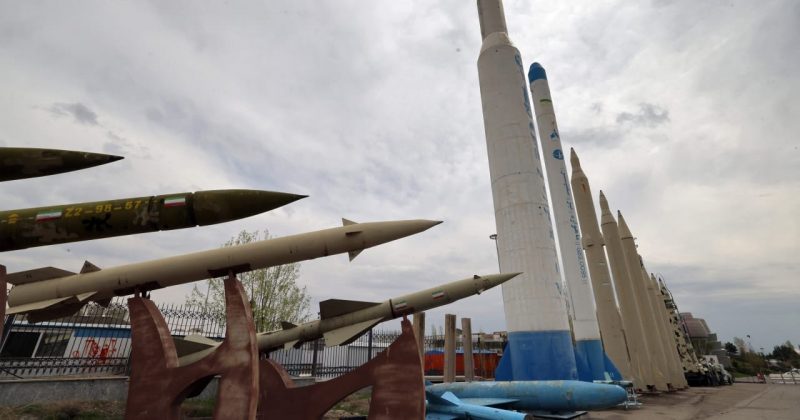
In a high-stakes defense operation, Jordan successfully intercepted eight Iranian missiles targeting United States military bases. This direct confrontation signals a dangerous escalation in regional tensions, forcing global powers to brace for potential widespread conflict.
The fallout from this interception complicates ongoing diplomatic efforts and significantly shifts the dynamics of international nuclear oversight. As geopolitical instability rises, the ripple effects are expected to impact global markets and the broader macroeconomic landscape, creating uncertainty for investors worldwide.
Jordan has intercepted eight Iranian missiles targeting US military bases. The interception highlights escalating regional tensions, complicating diplomatic efforts and impacting international nuclear oversight dynamics. This event underscores the growing volatility in the Middle East and the potential for broader geopolitical shifts that could influence global stability.
This is a summarized and adapted version by Artificial Intelligence. To read the complete original story, visit the official source.
Read Full Article at Crypto BriefingSupport Jornal Bitcoin
Independent journalism, curated by AI, no clickbait. Keep the flame alive with any amount of BTC.
jonata@walletofsatoshi.comDaily Crypto Brief 📬
Subscribe to receive the curation of the most important Bitcoin and crypto news, summarized by AI. No spam.
Join more than 10,000 smart readers.
Related News

Russian Missile Strikes Hit Kyiv and Odesa: Escalating Tensions and Global Risks
The strikes heighten NATO-Russia tensions and may signal further Russian territorial ambitions in the region. As geopolitical instability rises, the potential for broader conflict remains a primary driver of uncertainty for global markets and international security protocols.

Middle East Escalation: Military Strikes Target Iranian Cities and Airports
Beyond the immediate tactical damage, these strikes pose a direct threat to the stability of the Iranian regime itself. As the situation evolves, the resulting political instability is expected to drive significant volatility in global markets, forcing a rapid reassessment of risk premiums associated with Middle East conflicts.

Inflation Alert: Geopolitical Tensions and Super El Niño Could Spike US Food Prices
The convergence of these factors could exacerbate global food security concerns and impact long-term economic stability. Investors and consumers must closely monitor how these supply shocks might influence market volatility and international purchasing power.
Geopolitical Red Alert: Iran’s Strait of Hormuz Strategy Threatens Nuclear Deal by 2026
The consequences of this maritime focus extend to global economic security and the viability of long-term peace treaties. As Iran prioritizes its leverage in the Strait of Hormuz, the window for a successful nuclear deal continues to shrink, heightening the risk of regional instability.

Middle East Chaos: Airstrikes near Khondab trigger crypto market volatility
In response to the heightened risk, market participants are pivoting toward defensive postures to mitigate potential losses. There is a noticeable shift toward stablecoins as investors seek refuge from market swings, emphasizing the need for cautious trading strategies amidst the ongoing Iran tensions.

Congo Ebola Outbreak Disrupts Mineral Talks, Threatening Crypto Mining Hardware Supply
This breakdown in mineral talks may heighten global reliance on Chinese supply chains, significantly impacting tech industries and shifting geopolitical dynamics. As the industry faces potential scarcity, the tension between Western-backed initiatives and dominant Chinese manufacturing could reshape the future of mining hardware availability.
