JD Vance: Gulf oil flows to return to pre-conflict levels

Senator JD Vance anticipates a normalization of Gulf oil flows, with the Strait of Hormuz poised to reopen and stabilize global energy markets. This critical development directly impacts oil prices and cryptocurrencies, which often move in opposite directions to traditional assets during times of geopolitical uncertainty.
The reopening of the Strait of Hormuz represents a potential turning point for global energy security, though lingering risks and unresolved protocols may hinder full recovery. Cryptocurrency investors are closely watching developments in the Middle East, as stabilization of traditional energy markets could influence capital flow dynamics to digital assets like Bitcoin and Ethereum.
This is a summarized and adapted version by Artificial Intelligence. To read the complete original story, visit the official source.
Read Full Article at Crypto BriefingSupport Jornal Bitcoin
Independent journalism, curated by AI, no clickbait. Keep the flame alive with any amount of BTC.
jonata@walletofsatoshi.comDaily Crypto Brief 📬
Subscribe to receive the curation of the most important Bitcoin and crypto news, summarized by AI. No spam.
Join more than 10,000 smart readers.
Related News

Alphabet's $205B AI Investment Sparks Nvidia, Broadcom Rally
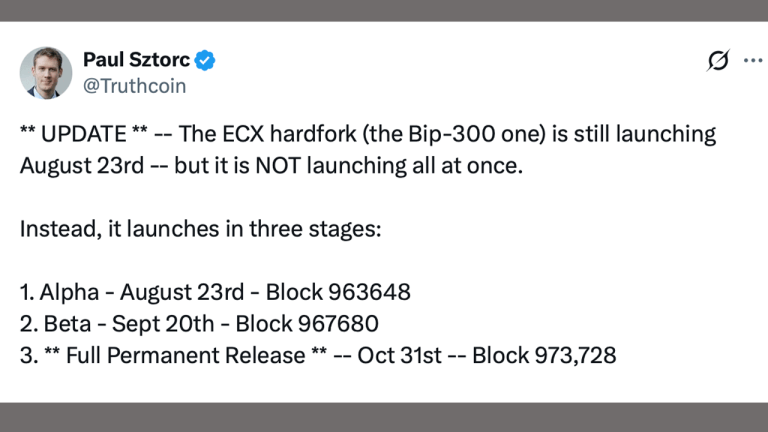
Bitcoin's ECX Hard Fork Splits Into 3 Launches Through October
US$ 200 Trillion in Institutional Capital Could Transform Bitcoin Forever in the Next Decade
Brazil Central Bank Slams Brakes on Large Crypto Transfers Abroad
The BCB's decision represents one of the most significant regulatory hurdles for the crypto sector in Brazil since recent legislation. Experts warn that this measure could slow crypto adoption and negatively affect pricing, particularly for investors using Brazilian platforms. Brazil's crypto industry is now seeking dialogue with authorities to find a balance between regulatory control and financial innovation.

Brazil's Central Bank Slams Brakes on Large Crypto Transfers Above $10,000
The regulation reflects growing concerns among Brazilian authorities about capital flight and money laundering through digital assets. Exchanges must now implement systems to identify and delay suspicious transactions, potentially impacting liquidity and the speed of international crypto operations. This positions Brazil alongside other emerging economies seeking to balance financial innovation with protection of the traditional financial system.