Geopolitical Alert: Iraq Rejects Role as Battleground in US-Iran Tensions
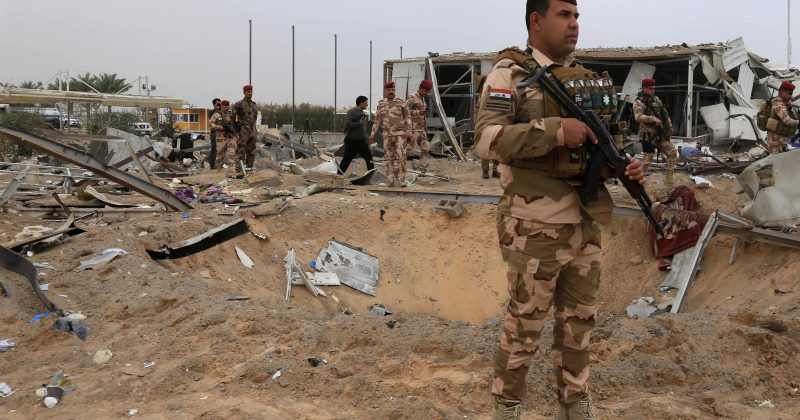
Iraq has formally rejected the role of a battlefield amidst escalating tensions between the United States and Iran, aiming to safeguard its sovereignty as regional conflict risks soar. This strategic stance comes at a time of heightened geopolitical volatility, where the friction between global superpowers threatens to disrupt international stability and energy markets.
The Iraqi government's refusal to be caught in the crossfire follows data suggesting a 54.5% likelihood of Iranian military action against a Gulf state. For crypto investors and global markets, this heightened risk of regional warfare serves as a significant macro driver, potentially increasing the demand for decentralized assets as hedges against geopolitical instability.
Iraq has officially rejected the role of a battleground amid the intensifying tensions between the United States and Iran. In an effort to maintain neutrality and protect its national infrastructure, the Iraqi government has signaled that it will not allow its territory to be used for direct confrontations between the two powers. This move comes amid high-stakes uncertainty, with data indicating a 54.5% probability of Iranian military action against a Gulf state, raising the specter of a large-scale regional conflict that could impact the global economy and market stability.
This is a summarized and adapted version by Artificial Intelligence. To read the complete original story, visit the official source.
Read Full Article at Crypto BriefingSupport Jornal Bitcoin
Independent journalism, curated by AI, no clickbait. Keep the flame alive with any amount of BTC.
jonata@walletofsatoshi.comDaily Crypto Brief 📬
Subscribe to receive the curation of the most important Bitcoin and crypto news, summarized by AI. No spam.
Join more than 10,000 smart readers.
Related News
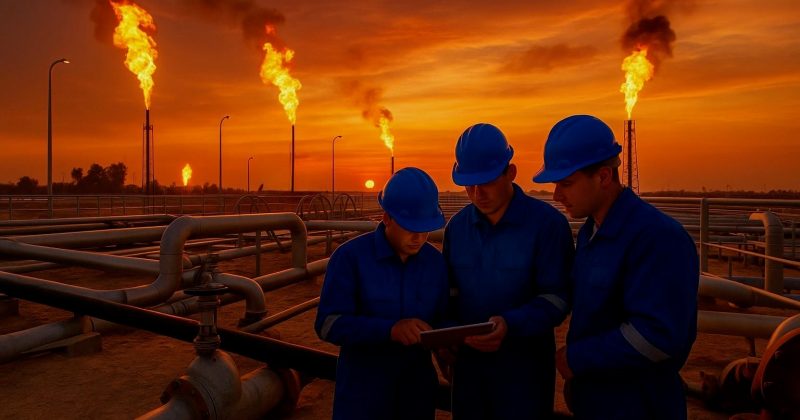
Energy Power Play: Iraq Signs $60B Deals with US and UK Oil Giants
Beyond the immediate financial scale, these agreements carry heavy macro implications for global energy security and geopolitical stability. As Washington builds its strategic corridor, the integration of Western oil majors into Iraq's energy infrastructure sets the stage for long-term economic and political realignment in the Middle East.

GCC Condemns Iranian Attacks on Bahrain, Kuwait, and Jordan, Citing War Crimes
As geopolitical tensions rise in the Middle East, the impact on digital asset markets remains a primary concern for institutional investors. The direct confrontation between Iran and Gulf states creates a high-risk environment, where sudden shifts in geopolitical stability often trigger massive liquidations and a flight to liquidity within the cryptocurrency ecosystem.
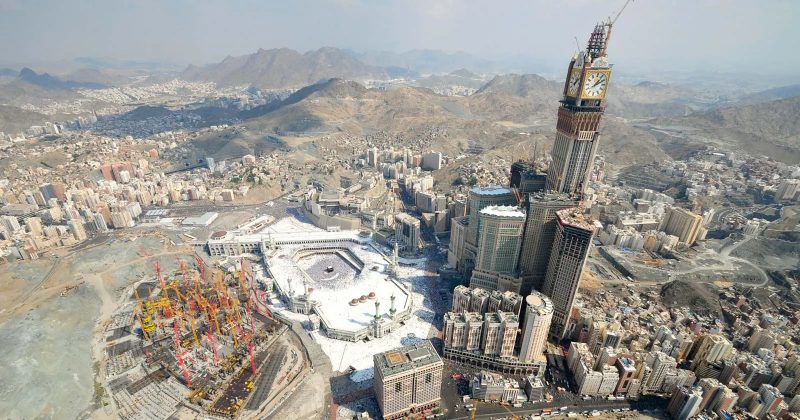
Middle East Escalation: Iran Strikes Saudi Arabia as Geopolitical Tensions Surge
Adding to the complexity, whispers of a potential US-Iran deal in 2026 involving Iran Reconstruction Funding are circulating. The interplay between active military conflict and long-term diplomatic restructuring creates a high-stakes environment for macro traders and digital asset investors alike.

China's Wild Card: CXMT Disrupts Global Memory Market with 60% Lower Prices
Adding fuel to the fire, Apple is reportedly testing CXMT's memory solutions for devices destined for the Chinese market. This development suggests a significant shift in hardware supply chains, as tech giants look to balance geopolitical risks with the undeniable economic advantage of Chinese-made semiconductor components.

World Cup Controversy: Falklands Banner Ignites Surge in $ARG Fan Token Interest
Beyond the pitch, the incident underscores the growing influence of the AFA's expanding crypto sponsorship deals on market sentiment. As the intersection of football and blockchain deepens, the $ARG fan token remains at the center of a unique convergence where national identity meets decentralized finance and sports engagement.

Middle East Escalation: Iran Strikes Saudi Arabia, Sending Oil Prices Surging and Bitcoin Tumbling
This volatility highlights the ongoing sensitivity of the crypto market to international conflicts. As the energy sector braces for supply disruptions, the sudden movement in Bitcoin underscores how macroeconomic shocks and Middle East instability continue to dictate short-term liquidity and investor sentiment in the digital asset space.
