Geopolitical Shockwave: Iranian Missiles Evade US Air Defenses in Retaliatory Strikes
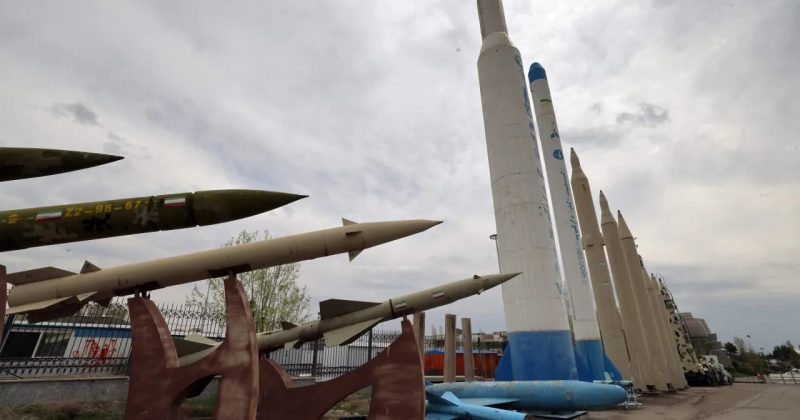
The global security landscape has been shaken following reports that Iranian missiles successfully evaded US air defenses during recent retaliatory strikes. This breach of defense protocols serves as a high-stakes intelligence brief, signaling a significant shift in regional military dynamics and increasing market volatility.
Escalation metrics are trending sharply upward, with forecasts predicting full airspace closures will hit 37% by July 31, rising to a staggering 49.5% by August 31. As the threat of widespread conflict intensifies, investors and analysts are closely monitoring the potential for massive disruptions in global trade and the subsequent flight to safety in decentralized assets.
In a startling development for international security, Iranian missiles have managed to evade US air defenses during a series of retaliatory strikes. The successful penetration of these defense systems poses a direct challenge to established military doctrines and raises the specter of a broader regional conflict.
According to recent data, the risk of total airspace closure is accelerating, projected to reach 37% by July 31 and climbing to 49.5% by August 31. The situation remains highly fluid, with the potential for rapid escalation affecting both geopolitical stability and global financial markets.
This is a summarized and adapted version by Artificial Intelligence. To read the complete original story, visit the official source.
Read Full Article at Crypto BriefingSupport Jornal Bitcoin
Independent journalism, curated by AI, no clickbait. Keep the flame alive with any amount of BTC.
jonata@walletofsatoshi.comDaily Crypto Brief 📬
Subscribe to receive the curation of the most important Bitcoin and crypto news, summarized by AI. No spam.
Join more than 10,000 smart readers.
Related News

Middle East Escalation: UK Navy Vessel Hit by Projectile, Crew Forced to Abandon Ship
As a direct consequence, the probability of a closure in the Bab el-Mandeb Strait has risen to 24.5% by September 30. Investors should monitor this situation closely, as disruptions in this strategic chokepoint could trigger broader economic instability and market volatility across global sectors.

Geopolitical Flashpoint: US Projectiles Hit Iran’s Bushehr Province as War Risks Surge
Market indicators currently suggest a 5.5% probability of a formal U.S. declaration of war against Iran by December 31, 2026. This growing geopolitical uncertainty is forcing analysts to reassess the potential for large-scale military conflict in the near future.

Economic Meltdown: Iran’s Rial Crashes to Record Low of 1.95 Million per Dollar
As the rial enters a free fall, the economic consequences for the region are becoming increasingly severe. The combination of hyperinflation and geopolitical instability is creating a perfect storm, leaving the local economy vulnerable to total systemic failure as the dollar's dominance in the open market reaches unprecedented levels.
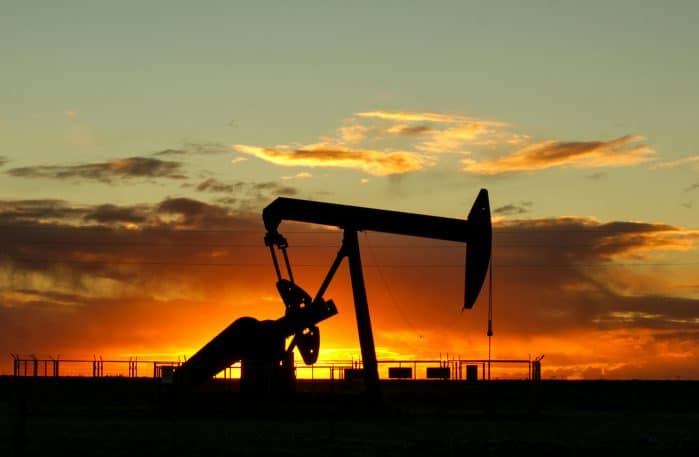
Oil Surges to $90 as US-Iran Tensions Threaten Strait of Hormuz Shipments
Market indicators suggest a bullish trend for crude oil, with projections pointing toward new all-time highs by December 31. A potential 14.5% increase by year-end could reshape global economic stability and influence the broader movement of macro assets and risk-on sentiment.

Bitcoin Flat Near $64K as Oil Surges and AI Selloff Continues to Weigh on Markets
Compounding the market uncertainty, the technology sector remains under pressure from the lingering Kimi AI selloff and a recent Chinese AI shock. As Asian chip stocks struggle to recover, the intersection of energy volatility and tech sector instability is creating a complex environment for crypto traders and institutional investors alike.
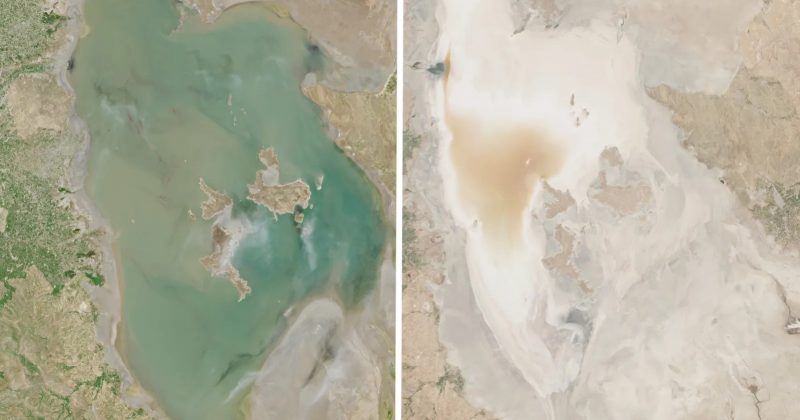
Middle East Escalation: Projectile Strike Near Urmia Keeps Crypto Markets on Edge
This event continues the volatile pattern established in 2026, where sudden shifts in the Middle East landscape trigger rapid price movements across the crypto sector. As tensions rise, the interplay between geopolitical risk and digital asset liquidity remains a primary focus for institutional and retail investors alike.
